For a personalized session and free consult, Call me: +1 334-300-0389.
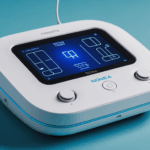
Find out how ARPWave Therapy can enhance your performace as an athlete and how you can achieve drug-free pain relief.
- Advancements in Electrotherapy Devices
- Types of Electrotherapy Techniques
- Mechanisms of Pain Relief
- Clinical Applications and Efficacy
- Safety and Ethical Considerations
- Future Directions in Electrotherapy Research
As the field of electrotherapy technology continues to evolve, users can benefit from a growing range of devices specifically designed for pain relief and wellness. It is crucial for consumers to understand how these advancements can influence their massage therapy practices and overall therapeutic outcomes.
When exploring electrotherapy devices, consider the following practical tips:
- Research and Reviews: Before purchasing any electrotherapy device, read reviews and research the brand’s reputation. Look for products with clinical backing and positive testimonials from users with similar needs.
- Consult a Professional: Always consult with a healthcare or massage therapy professional who can guide you toward the most suitable devices based on your specific pain issues or therapeutic goals.
- Ease of Use: Select electrotherapy devices that are user-friendly. Many newer models come with intuitive interfaces and preset programs, which can make the treatment process more straightforward.
- Portability: If you are often on the go, consider compact, portable devices that do not sacrifice power for convenience. Battery-operated models offer flexibility for at-home use or while traveling.
- Multi-functionality: Choose devices that offer multiple treatment options, such as various levels of intensity and different waveforms. This versatility can enhance your overall pain relief experience and allow you to address different issues as they arise.
Incorporating these advancements into your routine may not only help in managing chronic pain but can also enhance relaxation and recovery post-exercise, particularly for athletes. For corporate executives facing stress, integrating these tools into daily self-care regimens could lead to improved focus and reduced tension.
For pregnant women, there are specific considerations to keep in mind. Always seek devices that are safe for use during pregnancy, and consult with a healthcare provider to ensure that you are making the right choices for both your comfort and safety.
The advancements in electrotherapy devices present exciting possibilities for pain relief. By actively engaging with these technologies and ensuring informed decisions, individuals can significantly enhance their massage therapy experiences and overall wellbeing.
Types of Electrotherapy Techniques
There are several electrotherapy techniques that utilize electrical stimulation to alleviate pain and promote healing. Each technique operates on distinct methodologies and can be selected based on individual needs and clinical goals. The primary types of electrotherapy techniques include Transcutaneous Electrical Nerve Stimulation (TENS), Electrical Muscle Stimulation (EMS), interferential current therapy (IFC), and neuromuscular electrical stimulation (NMES).
TENS is one of the most commonly used forms of electrotherapy for pain relief. It delivers low-voltage electrical impulses through electrodes placed on the skin near the pain source. These impulses work by blocking pain signals from reaching the brain and stimulating the production of endorphins, the body’s natural painkillers. TENS units can range from simple battery-operated devices to more sophisticated models with programmable settings.
Electrical Muscle Stimulation (EMS), on the other hand, focuses on stimulating muscle contractions to improve strength and function. This technique is often used in rehabilitation settings to prevent muscle atrophy and enhance recovery after injury or surgery. EMS devices send a controlled amount of electrical impulses to muscles, causing them to contract rhythmically.
Interferential current therapy (IFC) uses a combination of two medium-frequency electrical currents that intersect with each other, producing a lower frequency current at the point of intersection. The interference creates a deeper penetration into the tissue, making it effective for managing pain and reducing inflammation. IFC is particularly beneficial for patients suffering from deeper tissue pain and is often used in physical therapy practices.
Another relevant electrotherapy technique is Neuromuscular Electrical Stimulation (NMES), which differs slightly from EMS in its applications. NMES specifically targets motor nerves to elicit muscle contractions suitable for therapeutic purposes, such as restoring mobility or aiding in muscle re-education following neurological impairments.
To summarize the differences and applications of these techniques, the following table outlines key features:
| Technique | Primary Use | Stimulation Type | Common Applications |
|---|---|---|---|
| TENS | Pain relief | Low-voltage electrical impulses | Chronic pain management, acute pain |
| EMS | Muscle strengthening | Electrical stimulation | Rehabilitation, muscle atrophy prevention |
| Interferential Current Therapy (IFC) | Pain relief and anti-inflammatory effects | Medium-frequency currents | Deep tissue pain management, edema reduction |
| Neuromuscular Electrical Stimulation (NMES) | Muscle re-education | Motor nerve stimulation | Neurological rehabilitation, post-surgery recovery |
Each of these techniques offers unique benefits and applications, making electrotherapy a versatile option in pain management strategies. By tailoring the choice of technique to specific pain profiles and therapeutic needs, both practitioners and patients can enhance the effectiveness of their treatment plans in managing pain and improving recovery outcomes.
Mechanisms of Pain Relief
The mechanisms behind pain relief using electrotherapy technology can be understood through a variety of physiological processes that work in concert to alleviate discomfort and promote healing. When electrical impulses are introduced to the body via electrotherapy devices, several key actions take place that can significantly reduce the sensation of pain.
One primary mechanism involves the stimulation of sensory nerves through devices like TENS. These electrical impulses interact with the pain pathways in the spinal cord and brain. By effectively blocking pain signals from reaching the brain, the user experiences a reduction in pain perception. This is often described as the “gate control theory” of pain, where non-painful input closes the nerve gates to painful input, preventing the sensation of pain from being perceived.
Another critical mechanism is the release of endorphins. Electrotherapy technology can promote the body’s natural production of these neuropeptides, which have analgesic effects. For example, TENS therapy can induce the release of endorphins, providing a natural way to counteract pain, which is particularly beneficial for individuals managing chronic pain conditions.
Additionally, electrotherapy techniques, such as interferential current therapy (IFC), target deeper muscle layers and induce muscular contractions. These contractions improve blood flow to the affected areas, promoting oxygenation and nutrient delivery while facilitating the removal of metabolic waste. Enhanced circulation can lead to reduced muscle spasm and decreased inflammation, which are significant contributors to pain.
For athletes, incorporating these mechanisms through electrotherapy can be particularly beneficial for recovery post-exercise. By harnessing the power of these devices, athletes can experience reduced soreness and improved muscle function, giving them a competitive edge in their training and performance.
For corporate executives dealing with stress-related tension, the use of electrotherapy can also yield considerable benefits. By alleviating muscular tightness and discomfort, individuals can improve their overall mental focus and productivity. Furthermore, stress can induce physical symptoms such as headaches and neck pain, which can be effectively managed through regular electrotherapy sessions.
Pregnant women, too, may find relief through understanding these mechanisms, especially for common discomforts associated with pregnancy such as back pain or pelvic pain. However, it is crucial to consult with healthcare providers to ensure the safety of any device used during pregnancy while maximizing the benefits of pain relief.
The mechanisms of pain relief through electrotherapy technology are multi-faceted and can be tailored to meet the unique needs of different individuals. By engaging with these technologies, users can enhance their overall therapeutic experiences, whether for pain management, recovery, or relaxation.
Clinical Applications and Efficacy
The utilization of electrotherapy technology in clinical settings has demonstrated significant potential in managing various pain conditions. Studies have shown that electrotherapy can aid in treating musculoskeletal pain, neuropathic pain, and even postoperative pain, providing patients with alternative or complementary solutions to conventional pharmacological treatments. The efficacy of these devices is evident in numerous clinical applications where they have been found to significantly reduce pain and improve patient outcomes.
Research suggests that TENS therapy is particularly effective for patients suffering from chronic pain conditions such as fibromyalgia and osteoarthritis. In clinical trials, patients reported a substantial decrease in pain levels after consistent TENS application, alongside an improvement in their quality of life. This highlights how advancements in electrotherapy devices have transformed pain management by offering accessible and drug-free alternatives for patients seeking relief from persistent discomfort.
Furthermore, the versatility of electrotherapy techniques enables practitioners to tailor treatment plans to address individual patient needs effectively. Conditions such as sports injuries, post-surgical pain, and chronic back pain have seen notable improvements with the use of specific electrotherapy methods like EMS and NMES. For instance, athletes recovering from injury often incorporate these techniques to regain muscle strength, enhance rehabilitation outcomes, and reduce the duration of their downtime. This adaptability confirms the role of electrotherapy technology as an invaluable asset in sports medicine and rehabilitation.
In addition, interferential current therapy (IFC) has been widely adopted in physical therapy settings for its ability to penetrate deeper tissue layers, thereby addressing pain at the source rather than solely masking it. Clinical evidence supports IFC’s efficacy in reducing pain associated with deep soft tissue injuries and edema. As a result, many therapists and practitioners now integrate IFC as a key component of their pain management protocols, reflecting a shift toward evidence-based practices in the field of pain relief.
The cost-effectiveness of electrotherapy devices also makes them an appealing option for healthcare systems aiming to enhance patient care while managing resources efficiently. By reducing the dependency on opioid medications, electrotherapy technologies not only alleviate pain but also contribute to addressing the broader societal issue of opioid misuse.
“Electrotherapy technology offers a promising pathway towards enhancing patient comfort and providing effective pain relief without the side effects commonly associated with pharmaceuticals.” – Expert in pain management
As advancements in this field continue, the integration of electrotherapy into various therapeutic frameworks is expected to grow. Ongoing research is essential in elucidating the most effective treatment parameters, refining device technology, and understanding the long-term effects of electrotherapy interventions. As clinical evidence mounts, it becomes increasingly clear that these techniques hold the potential to revolutionize pain relief strategies, benefiting diverse patient populations and improving overall health outcomes.
Safety and Ethical Considerations
Safety and ethical considerations surrounding the use of electrotherapy technology are paramount, particularly as its popularity grows in both clinical and home settings. While these devices offer significant benefits for pain relief and wellness, it is important for users to be aware of potential risks and to utilize them responsibly.
One of the primary safety concerns is the appropriate use of electrotherapy devices. Users must adhere to manufacturer guidelines and medical advice to minimize the risk of adverse effects, such as skin irritation or burns from improperly placed electrodes. Additionally, individuals with specific medical conditions—such as those with pacemakers, epilepsy, or other implanted devices—should consult their healthcare provider before utilizing electrotherapy. This ensures that the treatment does not interfere with existing medical devices or conditions.
Another ethical consideration is the regulation of electrotherapy devices. As the market for personal health technology expands, there are varying standards and certifications for devices available for purchase. Users should seek out devices that have been clinically tested and approved by relevant health authorities to ensure safety and efficacy. The lack of regulation in some areas can lead to the proliferation of ineffective or unsafe products, which could deter individuals from seeking necessary treatments.
Moreover, practitioners must engage in informed consent practices, ensuring that clients understand the benefits, risks, and limitations of electrotherapy. This collaborative approach fosters trust and empowers patients to take an active role in their pain management. By involving clients in the decision-making process, practitioners can address any concerns and clarify expectations about treatment outcomes.
In addition, there is a growing conversation about equity in access to electrotherapy technology. As advances continue, it is vital to consider how socioeconomic factors may prevent certain populations from accessing these innovations. Ensuring that all individuals have equitable access to effective pain management resources must remain a priority for healthcare providers and policy-makers alike.
Finally, as researchers and developers continue to explore the frontiers of electrotherapy technology, ethical considerations in clinical trials and studies must not be overlooked. Ensuring that trials are designed with participant safety in mind and that findings are disseminated transparently will bolster the ongoing credibility of electrotherapy techniques.
Engaging with the evolving landscape of electrotherapy technology can provoke critical thought about safety measures, ethical standards, and the inclusivity of pain relief solutions. As more individuals look to these advancements for managing discomfort, maintaining an awareness of these considerations will be vital in harnessing the full potential of electrotherapy in a responsible manner.
- What are the risks associated with using electrotherapy devices?
- Potential risks include skin irritation, burns from improper electrode placement, and adverse interactions with certain medical conditions. Always consult a healthcare professional if you have underlying health issues before using these devices.
- Can anyone use electrotherapy technology?
- While many can benefit from electrotherapy, certain individuals, such as those with pacemakers or epilepsy, should seek medical advice before using these devices to ensure safe usage.
- How do I choose a safe and effective electrotherapy device?
- Look for devices that are clinically tested and approved by recognized health authorities. Reading reviews and seeking recommendations from healthcare professionals can also aid in making an informed decision.
- What is informed consent in the context of electrotherapy?
- Informed consent involves ensuring that patients are fully aware of the benefits, risks, and limitations of electrotherapy treatments. This empowers patients to make informed choices about their pain management strategies.
- Are electrotherapy devices expensive?
- The cost of electrotherapy devices can vary widely, from affordable options for home use to more sophisticated clinical models. However, many cost-effective solutions are available to accommodate different budgets.
- Can electrotherapy replace traditional pain management methods?
- Electrotherapy can complement traditional pain management methods but is not necessarily a complete replacement. It is often most effective when combined with other therapeutic techniques.
- How can I advocate for equitable access to electrotherapy treatments?
- Advocating for equitable access can involve supporting policies that promote the availability of effective pain management resources and raising awareness about the importance of inclusive healthcare solutions.
Future Directions in Electrotherapy Research
The future of electrotherapy research is poised to unlock further advancements in pain relief technologies, promising to enhance the efficacy and accessibility of treatment options for diverse populations. As researchers delve deeper into the mechanisms of electrotherapy, several key areas are being explored to improve patient outcomes and broaden the range of applications for pain management.
One exciting avenue of research focuses on the customization and personalization of electrotherapy devices. Current studies are investigating how variables such as individual response to treatment, specific pain conditions, and varying thresholds for electrical stimulation can be integrated into device design. By tailoring electrotherapy to each user’s unique needs, the treatment can become far more effective, targeting pain at its source while minimizing discomfort or side effects.
Additionally, advancements in technology are leading to the development of smarter electrotherapy devices. Innovations such as Bluetooth connectivity and app integration are enabling remote monitoring and adjustments to treatment regimens. For example, wearables equipped with electrotherapy functions can provide real-time feedback to patients and healthcare providers, allowing for proactive pain management. This level of control and adaptability is particularly beneficial for individuals with chronic conditions or specific rehabilitation goals, enhancing their overall therapeutic experience.
Moreover, interdisciplinary research is encouraging collaboration between fields such as neuroscience, biomedical engineering, and pain management, paving the way for novel electrotherapy applications. Studies are exploring how electrotherapy technology can be integrated with other modalities, such as traditional massage therapy, to create comprehensive pain management strategies. For example, combining electrotherapy with manual therapies may enhance muscle relaxation and improve circulation, thereby amplifying the benefits of both approaches.
Another promising area of future research involves the exploration of combining electrotherapy with virtual reality (VR) and augmented reality (AR) technologies. These immersive experiences could be designed to distract from pain during electrotherapy sessions, enhancing the overall efficacy of treatment. Preliminary studies suggest that engaging patients in a virtual environment can significantly lower their perception of pain, making the experience more tolerable and effective.
Furthermore, increased scientific investigation into the long-term effects and safety profiles of various electrotherapy devices will support more comprehensive clinical guidelines. Understanding the nuances of each technique will be crucial in validating electrotherapy as a mainstay treatment option in pain management. Researchers aim to clarify the optimal treatment parameters, such as frequency, intensity, and duration of sessions, ensuring that both clinicians and patients have well-defined protocols to follow.
As demand for non-invasive pain relief options rises, exploring the potential of electrotherapy technology to alleviate a wide range of conditions—from sports injuries to chronic pain syndromes—remains a pivotal goal. By nurturing innovative research, there is hope to bridge gaps in access to effective treatment for populations that historically have been underserved in pain management. This could lead to improved health outcomes not just in clinical practices but also in everyday settings, where individuals can integrate home-use devices into their self-care routines.
All these advancements signal a promising future for electrotherapy technology, with the potential to revolutionize pain relief paradigms and enhance the quality of life for countless individuals suffering from various pain conditions. Staying informed about these developments can empower consumers to make knowledgeable choices regarding their pain management strategies, ultimately leading to better health and wellness.
For a personalized session and free consult, Call me: +1 334-300-0389.
Find out how ARPWave Therapy can enhance your performace as an athlete and how you can achieve drug-free pain relief.