For a personalized session and free consult, Call me: +1 334-300-0389.
Find out how ARPWave Therapy can enhance your performace as an athlete and how you can achieve drug-free pain relief.
- Overview of Acupuncture and Electrotherapy
- Mechanisms of Pain Relief
- Benefits of Combining Therapies
- Clinical Evidence and Studies
- Patient Considerations and Safety
- Future Directions in Pain Management
When exploring the benefits of massage therapy in conjunction with other modalities, it is crucial to consider how various approaches can enhance overall well-being. For individuals seeking enhanced pain relief, integrating techniques like acupuncture and electrotherapy may be a game changer. These methods not only target pain but can also promote relaxation and improve bodily function.
Acupuncture, an ancient practice rooted in Chinese medicine, involves inserting thin needles into specific points on the body. This technique is designed to stimulate the body’s natural healing processes, aimed at restoring balance and alleviating pain. On the other hand, electrotherapy uses electrical currents to alleviate discomfort by disrupting pain signals or promoting muscle relaxation.
Incorporating both modalities can offer a synergistic effect. For instance, before a massage session, receiving acupuncture can help diminish pain, making the massage more effective. Conversely, electrotherapy can be applied post-massage to further reduce soreness or inflammation that may arise from deep tissue manipulation.
Here are some considerations for optimal results when combining these therapies:
- Consult Professionals: Always seek guidance from licensed professionals who are experienced in both acupuncture and electrotherapy. They can tailor a treatment plan that aligns with your specific needs.
- Monitor Your Body’s Response: Pay attention to how your body reacts after each session. Keeping a pain diary can help identify patterns and determine which combination is most effective.
- Communicate: Inform your massage therapist about any acupuncture or electrotherapy treatments you have undergone. This information will help them adjust their techniques accordingly.
In addition to these strategies, consider the timing of your treatments. For optimal pain management, you might explore options such as scheduling acupuncture before an intense athletic event to minimize discomfort or combining electrotherapy after a rigorous workout to expedite recovery. Pregnant women should consult with their healthcare provider regarding the suitability of these therapies to ensure safety for both mother and baby.
By understanding how acupuncture and electrotherapy complement each other, you can create a more comprehensive pain relief strategy. Incorporating these therapies into your wellness routine can lead to significant improvements in both physical comfort and overall quality of life.
Mechanisms of Pain Relief
Both acupuncture and electrotherapy have distinct yet complementary mechanisms for alleviating pain, allowing for an enhanced pain relief experience when used together. Understanding these mechanisms is essential for maximizing their effectiveness.
Acupuncture operates primarily through the stimulation of specific points on the body known as acupuncture points. This stimulation is thought to activate the nervous system, prompting the release of endorphins and neurotransmitters, which are crucial for pain modulation. The insertion of needles can trigger a physiological response that reduces inflammation and enhances circulation, in turn facilitating healing. Furthermore, acupuncture is associated with the activation of the body’s natural pain regulation pathways, including endogenous opioids, contributing to both immediate and long-term pain relief.
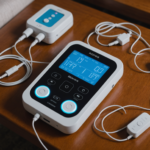
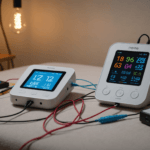
Electrotherapy, on the other hand, employs electrical stimulation to disrupt pain signals sent to the brain. The technique typically involves devices that pass a pulsed current through the skin to stimulate muscle tissues and nerves. This stimulation can block pain transmission through various mechanisms, including the gate control theory, which suggests that the stimulation of nerve fibers can inhibit the transmission of pain signals at the spinal cord level. Additionally, electrotherapy can enhance blood flow, further aiding in the reduction of muscle tightness and spasm, and promoting overall relaxation.
When combining acupuncture and electrotherapy, the synergistic effects can lead to superior outcomes in pain management. For example, acupuncture can serve to prepare the body for the effects of electrotherapy, potentially amplifying its efficacy. Conversely, applying electrotherapy after acupuncture treatment can assist in prolonging the relief achieved during acupuncture by addressing residual discomfort.
The following table compares the mechanisms of action and outcomes of acupuncture and electrotherapy:
| Feature | Acupuncture | Electrotherapy |
|---|---|---|
| Primary Mechanism | Activation of acupuncture points stimulating the nervous system | Disruption of pain signals through electrical stimulation |
| Pain Modulation | Release of endorphins and enhancements in blood circulation | Interruption of pain signal transmission and muscle relaxation |
| Inflammation Reduction | Targets inflammatory processes through localized stimulation | Increases blood flow to alleviate tightness and pain |
| Long-term Relief | Supports the body’s natural healing processes | May provide instantaneous relief, extension of benefits contingent on treatment frequency |
Utilizing these two modalities together can enhance the overall pain relief strategy, as they target different pathways and mechanisms. By addressing pain from multiple angles, individuals may experience greater relief and improved functional outcomes, ultimately leading to a better quality of life. As practitioners and patients continue to explore this combined approach, understanding these mechanisms will be essential in tailoring treatments that are effective and safe for varied conditions.
Benefits of Combining Therapies

Combining acupuncture and electrotherapy presents a multitude of benefits for individuals seeking enhanced pain relief and improved overall wellness. Each therapy complements the other, offering unique advantages that can amplify treatment outcomes. By understanding the benefits of these combined therapies, patients can make informed decisions that align with their health goals.
One of the primary advantages of this combination is the synergistic effect that occurs when both therapies are utilized. Acupuncture’s ability to stimulate the nervous system and release endorphins can enhance the impact of electrotherapy, which disrupts pain signals and promotes relaxation. This dual-action approach not only hastens pain relief but may also prolong the effects of treatment, making it a more sustainable solution for chronic pain issues.
Additionally, the combination can cater effectively to various conditions, including:
- Musculoskeletal Pain: Patients suffering from conditions like arthritis or back pain can find significant relief as acupuncture reduces inflammation while electrotherapy eases muscular tension, addressing the pain holistically.
- Sports Injuries: Athletes may benefit from the pre- and post-event application of these therapies. Acupuncture can prepare the body by alleviating pre-existing pain, whereas electrotherapy can support recovery by reducing post-exercise soreness and expediting healing.
- Stress and Anxiety: Complementing massage therapy sessions with acupuncture and electrotherapy can create an overall therapeutic atmosphere that not only relieves physical pain but also facilitates emotional well-being by reducing stress and anxiety levels.
Moreover, this combined approach can improve overall treatment experience. Patients often report heightened relaxation during and after treatments that combine both therapies, leading to a more enjoyable process. This increased satisfaction can motivate individuals to adhere to treatment plans, ultimately maximizing pain relief and enhancing quality of life.
When considering the integration of acupuncture and electrotherapy into your pain management routine, be sure to:
- Educate Yourself: Research both therapies and understand their unique mechanisms and benefits. Knowledge empowers you to make educated choices regarding your treatment.
- Work Closely with Practitioners: Collaborate with professionals who are skilled in both modalities. Ideally, choose practitioners who can skillfully weave acupuncture and electrotherapy into a cohesive treatment plan tailored to your needs.
- Stay Open-Minded: Be receptive to your body’s responses. Each individual may react differently to treatments, and it may take time to find the right balance between the therapies.
This multifaceted approach can be especially crucial for individuals with complex pain profiles or those who have not found relief with singular treatment methods. By combining acupuncture and electrotherapy, not only can patients experience enhanced pain relief, but they also have the potential for improved function and a better quality of life overall.
Clinical Evidence and Studies
Research has increasingly highlighted the clinical efficacy of integrating acupuncture with electrotherapy for enhanced pain relief. Several studies have demonstrated that this combination offers superior outcomes compared to either therapy used in isolation. For instance, a randomized controlled trial published in the “Journal of Pain Research” showed that patients receiving both acupuncture and electrotherapy exhibited a significantly greater decrease in pain levels than those receiving only one of the treatments. The participants reported not only lower pain scores but also improved functionality and overall satisfaction with their pain management regimen.
In another study, researchers examined the effects of combining these therapies on individuals suffering from chronic lower back pain. The findings indicated that those who underwent a combined treatment protocol experienced longer-lasting pain relief and greater mobility after treatment compared to those who received traditional therapy alone. The study emphasized the potential for reduced reliance on pharmaceuticals when these two modalities are effectively used together, potentially decreasing the risk of adverse effects associated with long-term medication use.
Moreover, systematic reviews have supported the notion that combining acupuncture and electrotherapy can enhance therapeutic outcomes for various conditions, including postoperative pain, fibromyalgia, and myofascial pain syndrome. A meta-analysis encompassing multiple studies suggested that participants who engaged in a combined treatment approach reported not only faster recovery times but also an improved quality of life. The authors concluded that the multimodal treatment is particularly advantageous for patients who have not responded satisfactorily to conventional treatment options.
The mechanisms behind the effectiveness of this combination are thought to be multifactorial. Acupuncture can increase local blood flow and trigger the release of neuropeptides, while electrotherapy can provide immediate analgesic effects by interfering with pain signal transmission. When used together, the therapies may create a feedback loop, where the immediate benefits of electrotherapy enhance the longer-term effects achieved through acupuncture, reinforcing pain relief.
“Clinical evidence suggests that combining acupuncture and electrotherapy not only increases the efficacy of pain relief but also promotes faster recovery in patients suffering from chronic pain.”
Additionally, case studies involving patients with specific pain-related conditions have reported remarkable improvements when these therapies were combined. For instance, patients with tension-type headaches treated with acupuncture followed by electrotherapy showed a marked reduction in headache frequency and intensity. Similar outcomes have been observed in individuals with osteoarthritis, where the combination approached pain management from both chemical and mechanical perspectives.
These findings provide a strong impetus for practitioners to consider a combined therapy approach in their pain management protocols. While further research is needed to standardize treatment protocols and enhance understanding of the optimal timing and dosage for these treatments, the current body of evidence clearly indicates the potential for enhanced pain relief when acupuncture and electrotherapy are utilized together. Through tailored treatment plans that address individual needs and conditions, healthcare professionals can foster improved patient outcomes in pain management.
Patient Considerations and Safety
 When engaging with acupuncture and electrotherapy, patients must be aware of certain considerations to ensure effective and safe treatment experiences. Each therapy carries its unique properties and potential side effects, making it essential to take a holistic view of one’s health status and treatment objectives prior to embarking on a combined approach.
First and foremost, it is advisable to conduct comprehensive consultations with licensed professionals who specialize in both modalities. A well-informed practitioner can evaluate the patient’s medical history, current health conditions, and specific pain-related issues, allowing for a personalized treatment plan that integrates both acupuncture and electrotherapy in a manner that maximizes benefits while minimizing risks.
It is also crucial to communicate any pre-existing conditions, medications, or allergies to your healthcare provider, as these factors can influence the safety and effectiveness of treatments. Individuals with conditions such as epilepsy, certain heart diseases, or those who are pregnant may require special considerations and should seek guidance from their healthcare provider before commencing therapy incorporating electrotherapy.
Patients should also be mindful of their body’s responses during and after treatment sessions. Keeping a diary to track pain levels, emotions, and overall wellness can help identify which combinations work best for them. This self-awareness facilitates discussions with practitioners, enabling necessary adjustments to be made to treatment plans based on individual needs and experiences.
Furthermore, potential side effects should not be overlooked. While acupuncture is generally considered safe, it can lead to temporary soreness, bruising, or minor bleeding. Electrotherapy, on the other hand, may cause mild discomfort, skin irritation, or muscle soreness post-treatment. Understanding these possible reactions allows patients to approach their sessions with realistic expectations.
Scheduling treatments wisely can also enhance outcomes. Some might find that having acupuncture before engaging in high-intensity physical activity prepares the body, while others may benefit from post-activity electrotherapy for recovery. Finding the right timing tailored to personal schedules and needs plays a vital role in achieving optimal pain relief.
It’s important to highlight that the integration of these therapies should be viewed as a collaborative journey. Each session can provide valuable insights into pain management strategies, educating patients about their bodies and promoting a deeper understanding of how these treatments work in synergy. Therefore, an open-minded approach coupled with proactive communication with healthcare providers will pave the way for a safer and more effective treatment experience.
- Can I use acupuncture and electrotherapy together?
- Yes, combining acupuncture and electrotherapy can enhance pain relief by leveraging the unique benefits of both therapies. However, it is important to consult with a licensed practitioner who is well-versed in both modalities to ensure safe and effective treatment.
- Are there any risks associated with combining these therapies?
- While both acupuncture and electrotherapy are generally safe, there can be risks such as soreness, bruising, or irritation. Consulting with healthcare professionals and communicating your health history is vital to mitigating any potential risks.
- How often should I receive these treatments?
- The frequency of treatments may depend on individual needs, conditions, and practitioners’ recommendations. Some patients may benefit from weekly sessions, while others might require different scheduling based on response to therapy.
- Will these therapies work for my chronic pain condition?
- Many individuals with chronic pain, such as arthritis or fibromyalgia, find relief through the combined use of acupuncture and electrotherapy. However, results can vary, so it’s essential to work closely with a healthcare professional to tailor a specific approach for your condition.
- How do I measure the effectiveness of combined therapies?
- Keeping a pain diary to track symptoms, pain levels, and emotional responses can help assess the effectiveness of the combined approach. Discussing these observations with your practitioner can help fine-tune treatment plans based on your experiences.
- What should I do if I feel discomfort during treatment?
- If you experience discomfort during treatment, inform your therapist immediately. They can adjust the treatment intensity or technique to ensure that you are comfortable and safe throughout the session.
- Are these therapies suitable for everyone?
- While many people can benefit from acupuncture and electrotherapy, specific medical conditions may warrant caution. It’s essential to consult with a healthcare professional before starting treatment, especially for those with existing health issues or concerns.
Future Directions in Pain Management
As practitioners and researchers continue to explore innovative avenues for effective pain management, the integration of acupuncture and electrotherapy presents promising future directions for individuals seeking enhanced pain relief. This combined approach not only taps into the benefits of each modality but also encourages a more personalized and comprehensive treatment strategy that caters to individual needs.
One of the significant future considerations is the advancement of technology in electrotherapy devices. Emerging technologies are continuously improving the efficacy and comfort of electrotherapy sessions. For example, wearable electrotherapy devices are becoming more prevalent, offering patients the ability to receive treatment on-the-go. These portable devices allow for continuous pain management while engaging in daily activities, thus enhancing the convenience and adherence to treatment plans.
Additionally, research is gearing towards understanding the synergistic effects of combining acupuncture with various forms of electrotherapy, such as transcutaneous electrical nerve stimulation (TENS) and neuromuscular electrical stimulation (NMES). Preliminary studies suggest that when these therapies are tailored to target specific pain pathways, patients may experience an even greater reduction in discomfort.
Expanding clinical trials will be fundamental in establishing standardized protocols for combined treatments. These studies can help identify optimal parameters, such as timing, treatment frequency, and specific patient populations that would benefit most from the integration of acupuncture and electrotherapy. Enhanced research efforts will also contribute to a better understanding of the underlying mechanisms that drive the effectiveness of combining these modalities, potentially paving the way for further innovations in pain management.
For practitioners, pursuing advanced training in both acupuncture and electrotherapy will be essential to maximize the benefits of these approaches. Comprehensive education can provide insights into how best to implement these therapies within treatment plans, leading to improved outcomes for patients. Encouraging interdisciplinary collaboration among healthcare providers will foster innovative approaches to pain management, drawing from the strengths of each specialty.
Patients should remain proactive in discussing their interests in combining therapies with their healthcare providers. By expressing preferences and experiences, they can advocate for tailored treatment plans that suit their specific pain profiles. Additionally, educating themselves about emerging research and technologies will enable patients to engage more effectively in their care.
Ultimately, the future of pain management lies in personalized, integrative approaches that harness the power of traditional therapies like acupuncture while embracing modern advances in electrotherapy. This multifaceted strategy promises to enhance pain relief, improve patient satisfaction, and empower individuals to take control of their well-being.
For a personalized session and free consult, Call me: +1 334-300-0389.
Find out how ARPWave Therapy can enhance your performace as an athlete and how you can achieve drug-free pain relief.