


The impact of electrotherapy on post-surgical pain
The impact of electrotherapy on post-surgical pain

For a personalized session and free consult, Call me: +1 334-300-0389.
Find out how ARPWave Therapy can enhance your performace as an athlete and how you can achieve drug-free pain relief.
- Electrotherapy modalities in pain management
- Mechanisms of action in post-surgical pain relief
- Clinical efficacy of electrotherapy techniques
- Patient outcomes and satisfaction
- Considerations and contraindications
- Future directions and research opportunities
Massage therapy can significantly enhance the management of pain, particularly in individuals recovering from surgery. Understanding the interplay between electrotherapy and massage techniques can offer additional pain relief and promote faster recovery. Here are essential tips for integrating massage into a post-surgical pain management plan.
Firstly, it is crucial to consult with a healthcare professional before beginning any massage therapy, especially post-surgery. This ensures that the approach taken is safe and appropriate for the specific type of surgery and individual circumstances.
- Timing of Massage: Wait until the surgical site has adequately healed before initiating massage therapy. Generally, light massage can be introduced a few days after surgery, depending on the doctor’s advice. Start with gentle techniques to promote circulation without stressing the healing tissue.
- Type of Massage: Techniques such as swedish massage or lymphatic drainage can be beneficial post-surgically. These methods help in reducing swelling, improving blood flow, and alleviating muscle tension surrounding the surgical area.
- Incorporating Electrotherapy: Consider combining massage with electrotherapy modalities, such as TENS (Transcutaneous Electrical Nerve Stimulation), to enhance pain relief. The electric impulse can provide relief while massage works on muscle relaxation.
- Self-Massage Techniques: Teaching self-massage practices can empower patients. Simple techniques include gentle circular movements around the incision area to enhance blood flow and reduce discomfort, always ensuring there is no pain involved.
- Utilizing Heat and Cold: Applying heat before a massage can relax the muscles, whereas cold therapy can reduce inflammation post-massage. Alternating between these can maximize the therapeutic impact.
- Listening to the Body: It’s essential to pay attention to one’s comfort levels. If any area feels painful during a massage, it’s advisable to adjust the pressure or technique or to pause altogether.
On a broader scale, individuals seeking massage therapy for pain relief should also consider their environment. Creating a calm and soothing space can enhance relaxation. Essential oils, soft lighting, and serene music can significantly impact the overall experience, making each session more effective.
Lastly, keep a pain journal to track the effectiveness of various massage techniques and any electrotherapy modalities used. This can provide valuable insights to both patients and therapists about what works best for managing post-surgical pain.
Mechanisms of action in post-surgical pain relief
Electrotherapy is employed to manage post-surgical pain through several physiological and biochemical mechanisms. These mechanisms contribute to the overall effectiveness of electrotherapy in promoting pain relief, enhancing recovery, and improving the quality of life for patients following surgical procedures. Understanding these mechanisms allows clinicians to optimize treatment plans tailored to individual patient needs.
A major mechanism of action is the modulation of pain perception through the spinal cord and brain pathways. When electrical impulses from electrotherapy devices stimulate the nerves, they can inhibit the transmission of pain signals to the brain, often referred to as the “gate control theory.” This theory posits that the stimulation of non-painful input can close the gates to painful input, thereby reducing the perception of pain.
Moreover, electrotherapy techniques such as TENS and neuromuscular stimulation promote the release of endogenous opioids and other neuropeptides, which are natural pain-relieving compounds produced by the body. This biochemical action not only aids in pain relief but can also lead to improved function and mobility post-surgery by minimizing discomfort during rehabilitation efforts.
In addition to the direct impact on pain pathways, electrotherapy can enhance local blood circulation and promote tissue healing. Improved blood flow increases the supply of oxygen and nutrients to the healing tissues, which is essential in reducing inflammation and accelerating recovery. This effect can be particularly beneficial in post-surgical settings, where inflammation can contribute to pain and discomfort.
To illustrate various electrotherapy modalities and their associated mechanisms of action, the following table summarizes different techniques, their specific effects, and clinical relevance in the context of post-surgical pain relief:
| Electrotherapy Modality | Mechanism of Action | Clinical Relevance |
|---|---|---|
| Transcutaneous Electrical Nerve Stimulation (TENS) | Inhibits pain signal transmission via gate control theory; stimulates endorphin release | Effective for acute and chronic pain management, enhancing patient mobility |
| Neuromuscular Electrical Stimulation (NMES) | Reduces muscle atrophy; promotes blood flow; improves muscle function | Beneficial in recovery after orthopedic surgeries, helping regain strength |
| Iontophoresis | Delivers anti-inflammatory medications directly to tissue via electrical current | Effective for localized inflammation and pain reduction in surgical sites |
| Interferential Current Therapy (IFC) | Modulates pain signals and promotes endorphin release; enhances tissue healing | Useful in managing post-surgical pain and accelerating recovery |
Each of these modalities illustrates the broad applicability of electrotherapy in mitigating post-surgical pain. By leveraging various mechanisms, practitioners can better manage patient discomfort, encourage healing, and support rehabilitation efforts. Ultimately, the integration of electrotherapy into post-surgical pain management protocols is supported by its multifaceted impact on both biological and psychological aspects of healing.
Clinical efficacy of electrotherapy techniques
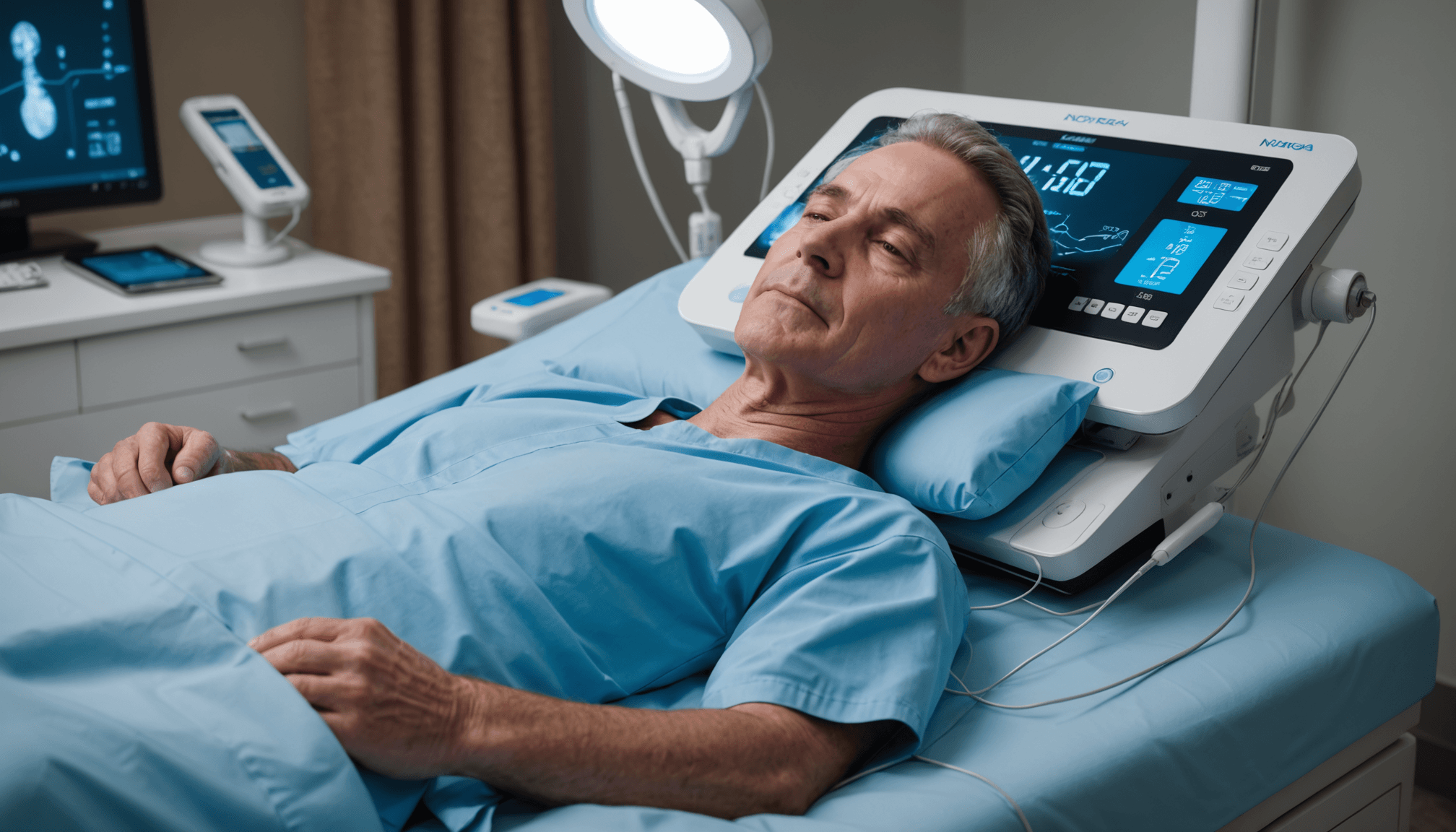
Clinical studies demonstrate that electrotherapy techniques have a significant impact on post-surgical pain management, effectively reducing discomfort and enhancing recovery outcomes for patients. Various modalities of electrotherapy, such as Transcutaneous Electrical Nerve Stimulation (TENS) and Neuromuscular Electrical Stimulation (NMES), have been thoroughly evaluated for their efficacy in alleviating pain following surgical procedures.
The efficacy of TENS, for example, has been documented in numerous studies, showcasing its ability to decrease post-surgical pain levels. In randomized controlled trials, patients who received TENS reported lower pain scores compared to those treated with standard care alone. This suggests that electrotherapy can be a valuable addition to multifaceted pain management strategies.
Moreover, the use of NMES not only helps mitigate pain but also addresses common issues like muscle atrophy and weakness that can occur after surgery. By targeting motor nerves through electrical impulses, NMES promotes muscle contraction, which is essential for maintaining strength and mobility during the recovery phase. According to clinical research, patients utilizing NMES after orthopedic surgeries experienced improved functional outcomes, enabling quicker return to daily activities.
In addition to TENS and NMES, the application of Iontophoresis allows for localized treatment by delivering anti-inflammatory medications directly into the tissue, enhancing pain relief and reducing swelling. Studies indicate that this targeted approach can lead to quicker reductions in inflammation, adding to its appeal for those recovering from surgical interventions.
Another method, Interferential Current Therapy (IFC), has shown promise in enhancing tissue healing while simultaneously relieving pain. Its dual action of modulating pain signals and improving blood circulation creates an ideal environment for faster recovery. Patients receiving IFC frequently report greater satisfaction with their pain management regimen, underscoring its effectiveness in a clinical setting.
When considering the clinical efficacy of these electrotherapy techniques, it is essential to recognize the potential variations in individual experiences. Factors such as the type of surgery, the timing of therapy initiation, and the specific electrotherapy modality used all contribute to the overall results. Therefore, tailored approaches, ideally designed by a healthcare professional, can lead to optimized pain management outcomes.
As you explore electrotherapy options, it is crucial to engage with qualified practitioners who understand these modalities and their impacts on post-surgical recovery. One-on-one consultations can guide you in selecting the most suitable electrotherapy technique based on your unique condition and timeline for recovery.
In achieving the best results, integrating electrotherapy with other therapeutic modalities such as massage therapy can enhance overall efficacy. By combining these techniques, patients are often able to experience improved pain relief, reduced inflammation, and enhanced healing, leading to a more favorable overall recovery trajectory.
Patient outcomes and satisfaction
Patient satisfaction and outcomes serve as critical indicators of the effectiveness of electrotherapy for managing post-surgical pain. As patients recover from surgery, their feedback regarding pain relief, functional improvement, and overall quality of life reflects the success of treatment modalities utilized during their rehabilitation process.
Recent studies have highlighted a strong correlation between the use of electrotherapy techniques—such as TENS, NMES, and IFC—and positive patient outcomes. Many patients report significant reductions in pain levels, which enhances their ability to perform daily activities and engage in rehabilitation efforts. When compared to traditional pain management methods, those receiving electrotherapy often express higher satisfaction rates. This is particularly important in the context of a holistic approach to pain management, which not only focuses on alleviating discomfort but also underlying functional recovery.
In a qualitative analysis of patient experiences, participants cited the immediate and residual effects of electrotherapy in their recovery journeys. They noted that the use of TENS not only helped in managing acute pain episodes but also fostered a sense of independence in their care. This empowerment has been shown to improve adherence to prescribed rehabilitation exercises, ultimately facilitating a smoother recovery trajectory.
“The human body is designed to heal itself; effective pain management is crucial to facilitate that process.” – Unknown
Additionally, many patients express appreciation for the non-invasive nature of electrotherapy treatments. Unlike some pharmacological options that may carry undesirable side effects or risks of dependency, electrotherapy offers a more sustainable approach to pain management. This aspect is particularly appealing to those seeking to avoid medications after surgery.
Furthermore, the incorporation of electrotherapy into a comprehensive pain management plan often aligns with patients’ expectations for a modern and evidence-based approach to treatment. As healthcare professionals increasingly recognize the role of patient-centered care, the emphasis on satisfaction and positive outcomes has become a focal point in electrotherapy research and practice.
Social support systems also play a pivotal role in patient satisfaction. Satisfied patients often have better family and peer support networks, which contribute to a more favorable atmosphere for recovery. They tend to share their positive experiences, subsequently influencing others’ treatment choices. The collaborative relationship between healthcare providers and patients is essential in determining the perceived effectiveness of the therapies employed, reiterating the important connection between patient outcomes and satisfaction levels.
Ultimately, the growing body of evidence supports the positive impact of electrotherapy on post-surgical pain management. By addressing both the direct effects on pain relief and the broader implications for patient satisfaction, it’s evident that electotherapy is a critical tool in the multifaceted approach to enhancing recovery after surgery.
Considerations and contraindications
 Certain considerations and contraindications are pivotal when evaluating the application of electrotherapy in post-surgical pain management. Understanding these factors is essential to maximize therapeutic benefits while minimizing risks associated with treatment.
First and foremost, patient safety is paramount. Electrotherapy should be approached with caution in individuals with specific medical conditions. For instance, those with heart conditions or implanted medical devices like pacemakers need to be evaluated thoroughly, as electrical stimulation can interfere with device function. Additionally, patients with neuropathies or conditions that compromise skin integrity may not respond favorably to electrotherapy techniques, necessitating a careful assessment of their suitability for treatment.
Moreover, the stage of recovery plays a significant role in determining whether electrotherapy is appropriate. Initiating treatment too early after surgery can disturb the healing process or exacerbate inflammation and pain. Waiting until the surgical site has stabilized minimizes these risks. It is essential that practitioners collaborate closely with surgical teams to devise a well-timed plan that supports both healing and pain management.
In regard to specific contraindications, certain modalities of electrotherapy may have limitations. For instance, methods like TENS should be avoided over the abdominal area during pregnancy or in patients with recent abdominal surgeries. Similarly, Iontophoresis, while effective for localized inflammation, should not be utilized in areas with broken skin or infections.
The patient’s willingness and ability to engage in self-management techniques are also crucial considerations. Electrotherapy is often most effective when patients actively participate in their care regimen, including understanding any potential home applications that may complement in-clinic treatments. Difficulties in compliance or understanding of the therapy could negatively impact overall outcomes.
It is important for healthcare providers to discuss these considerations openly with patients, fostering a sense of partnership in managing their post-surgical pain. This empowers patients to make informed decisions about their treatment and to voice any concerns they might have regarding electrotherapy. As more patients seek effective pain management options post-surgery, staying informed about these potential considerations and contraindications will enhance both safety and efficacy in their care journey.
- What is electrotherapy, and how does it help with post-surgical pain?
- Electrotherapy involves the use of electrical stimulation to manage pain and promote healing. It helps by modulating pain signals, enhancing blood flow, and facilitating the release of natural pain-relieving compounds in the body.
- Are there any risks associated with electrotherapy?
- Yes, there are potential risks, including skin irritation or burns if the equipment is not used correctly. Individuals with specific health conditions, such as pacemakers, must consult their healthcare provider before undergoing electrotherapy.
- How long after surgery can I start using electrotherapy?
- The timing varies depending on the type of surgery and individual healing progress. Generally, electrotherapy can be introduced once the surgical site is adequately healed, typically a few days to weeks post-surgery, following medical advice.
- Can electrotherapy replace pain medication after surgery?
- Electrotherapy can complement or reduce the need for pain medications by providing an alternative means of pain management. However, it should be part of a comprehensive pain management strategy tailored to individual needs.
- How often should electrotherapy treatments be applied for effectiveness?
- The frequency of treatments depends on the specific modality used and individual patient needs. A healthcare provider can recommend a personalized schedule to optimize pain relief and recovery.
- Is electrotherapy painful?
- Generally, electrotherapy should not be painful. Most patients experience only mild discomfort or a tingling sensation during the treatment. Adjustments can be made based on individual tolerance levels.
- Can I use electrotherapy at home, or does it require a healthcare professional?
- Some electrotherapy modalities are available for home use, such as TENS units. However, it’s important to receive proper training from a healthcare professional to ensure safety and effectiveness in managing post-surgical pain.
Future directions and research opportunities
As the field of electrotherapy continues to evolve, there are numerous upcoming opportunities to enhance patient care in the realm of post-surgical pain management. Ongoing research is crucial to exploring innovative techniques, refining existing modalities, and ultimately improving outcomes for patients recovering from surgical interventions.
One promising area of exploration involves the integration of advanced technology in electrotherapy devices. The development of smart electrotherapy devices that can monitor patient progress in real-time may revolutionize treatment approaches. Such technology could allow for personalized therapy adjustments based on feedback from patients, emphasizing a tailored pain management regimen. This adaptability holds the potential to significantly improve the efficacy of electrotherapy in managing post-surgical pain.
Furthermore, research into hybrid therapies combining electrotherapy with other modalities, such as massage therapy or physical rehabilitation, is gaining traction. Studies suggest that the combination of these approaches may enhance the overall impact on healing and recovery. For instance, using electrotherapy alongside manual therapies can facilitate better circulation and tissue response, rendering the treatment much more effective.
In addition, there is a need for further clinical trials investigating the long-term effects of electrotherapy on chronic post-surgical pain. Many patients continue to experience discomfort long after their surgical procedures, making chronic pain management a vital area of research. Establishing comprehensive longitudinal studies will provide insights into how electrotherapy can serve not only for immediate post-surgical relief but also for long-term pain management strategies.
Healthcare providers must also focus on educating patients regarding their options and the importance of self-management techniques post-surgery. Programs that promote patient engagement and understanding can significantly improve satisfaction and outcomes. As such, future research should underscore educational strategies that help patients navigate their postoperative care effectively.
Finally, exploring patient demographics and psychosocial factors may also yield valuable insights into the effectiveness of electrotherapy in various populations. Individual responses to pain and recovery can differ based on factors like age, gender, and mental health status. Tailoring electrotherapy protocols to account for these variables can help optimize treatment plans and increase overall satisfaction.
The future of electrotherapy in post-surgical pain management is ripe with potential. By embracing innovation, enhancing multidisciplinary approaches, and focusing on patient-centered care, the impact of electrotherapy can be significantly expanded, paving the way for better recovery experiences and outcomes for patients around the globe.
For a personalized session and free consult, Call me: +1 334-300-0389.
Find out how ARPWave Therapy can enhance your performace as an athlete and how you can achieve drug-free pain relief.