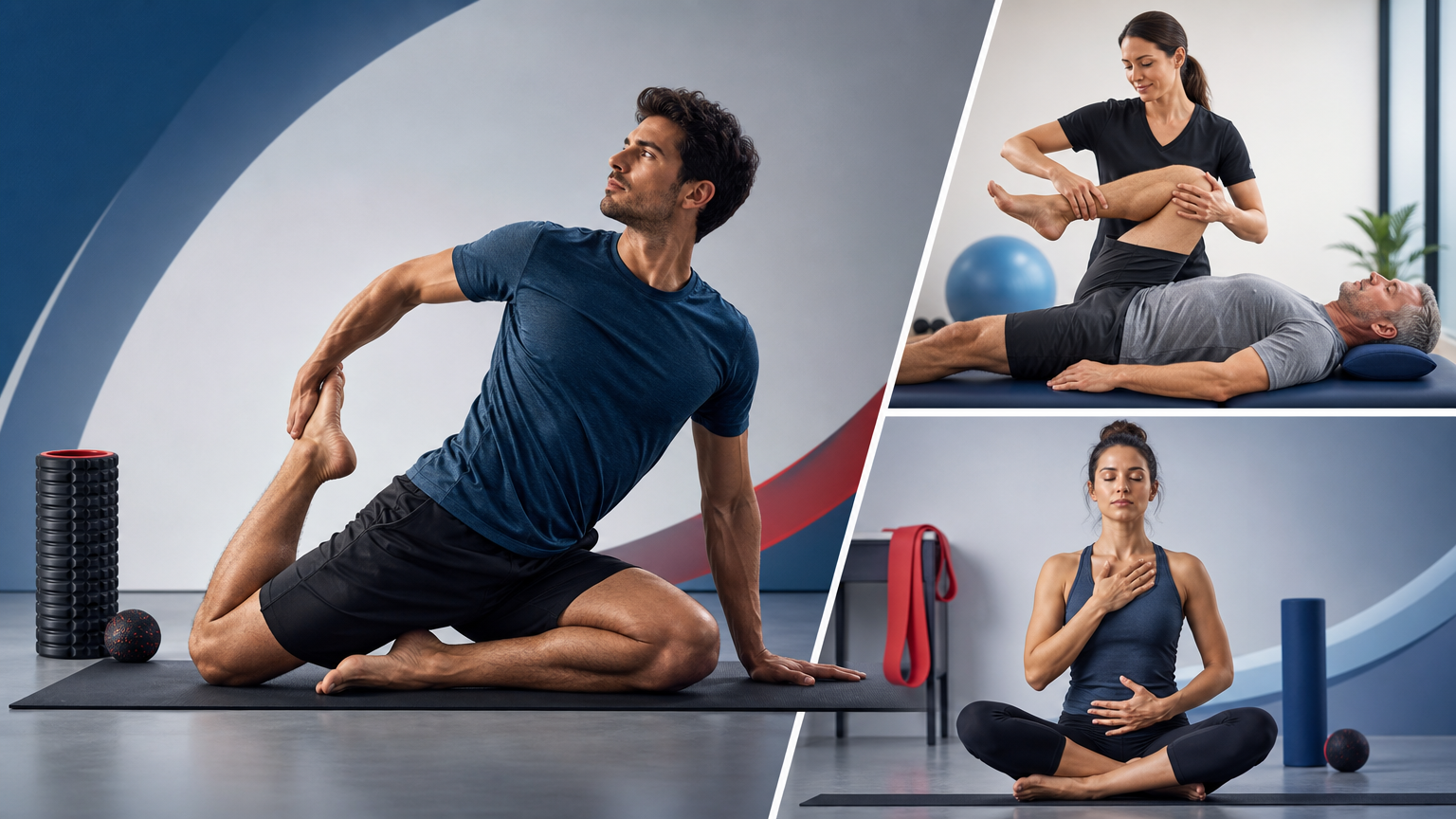


Learning to breathe during stretching for fibromyalgia relief
Learning to breathe during stretching for fibromyalgia relief

For a personalized session and free consult, Call me: +1 334-300-0389.
Find out how ARPWave Therapy can enhance your performace as an athlete and how you can achieve drug-free pain relief.
- Understanding Fibromyalgia and Its Symptoms
- The Importance of Stretching for Fibromyalgia Relief
- Breathing Techniques to Enhance Flexibility
- Incorporating Breathing into Your Stretching Routine
- Mindfulness and Relaxation through Breath
- Tips for Consistent Practice and Progress
Fibromyalgia is a complex, chronic condition characterized by widespread pain, fatigue, and a host of other symptoms that can significantly impact daily life. Individuals experiencing fibromyalgia often describe their pain as a persistent ache that can fluctuate in intensity throughout the day and can be exacerbated by stress, lack of sleep, and physical activity. Additionally, symptoms may include sleep disturbances, memory problems (sometimes referred to as “fibro fog”), mood swings, and heightened sensitivity to touch, sound, and light.
Understanding these symptoms is crucial in managing fibromyalgia effectively. Pain often does not correspond to specific injuries or disorders; instead, it results from abnormal pain processing in the central nervous system. This means that traditional pain relief measures may not always provide the needed relief due to the unique nature of fibromyalgia pain. Therefore, a multi-faceted approach incorporating various therapies is often recommended.
Physical symptoms may vary greatly between individuals, but common associated complaints involve:
- Chronic muscle pain throughout the body
- Joint pain and inflammation
- Fatigue that doesn’t improve with rest
- Sleep disturbances, such as insomnia or disrupted sleep patterns
- Headaches, including migraines
- Digestive issues, such as IBS (Irritable Bowel Syndrome)
- Heightened sensitivity to temperature changes
Moreover, it is essential to note that fibromyalgia can lead to emotional distress, including anxiety and depression, further complicating recovery and management strategies. Therefore, incorporating relaxation techniques, such as breathing exercises, into the daily routine may enhance overall well-being and help alleviate some symptoms. For individuals looking to navigate daily challenges more comfortably, understanding both the physical and psychological aspects of fibromyalgia is key.
Studies have shown that individuals with fibromyalgia often experience relief through holistic approaches, which may include massage therapy, yoga, and mindfulness practices. Each of these modalities can help with pain management, increase range of motion, and promote a better quality of life. In the following sections, we will explore how stretching and appropriate breathing techniques can be integrated into your self-care routine to manage symptoms and support overall wellness.
The Importance of Stretching for Fibromyalgia Relief
Incorporating regular stretching into a fibromyalgia management plan is essential for several reasons. Stretching not only helps alleviate muscle tension but can also enhance flexibility, reduce pain, and improve overall physical functioning. For those suffering from fibromyalgia, maintaining a routine of gentle stretching can serve as a crucial practice to mitigate the symptoms associated with the condition.
When muscles are subjected to prolonged tension, particularly in fibromyalgia patients, it can lead to further discomfort and stiffness. Stretching helps counteract these effects by promoting circulation and increasing blood flow to stiff muscles, which is vital for recovery and pain relief. This increased blood flow also facilitates the delivery of nutrients to the muscles while removing metabolic waste products that can contribute to fatigue and pain.
A structured stretching routine can provide a host of benefits specific to those with fibromyalgia:
| Benefits of Stretching | Description |
|---|---|
| Increases Flexibility | Regular stretching promotes better range of motion in joints, making daily activities easier to perform. |
| Reduces Muscle Tension | Helps to release tension built up in muscles, which can lead to pain reduction. |
| Enhances Relaxation | Stretching combined with deep breathing can activate the parasympathetic nervous system, promoting relaxation. |
| Improves Posture | Regular stretching can help align the body and improve posture, which is often compromised due to muscle tightness. |
| Promotes Mindfulness | Stretching sessions allow individuals to focus on their bodies and breathing, fostering a practice of mindfulness. |
In realizing the full benefits of stretching, it is also essential to implement proper technique and awareness. Engaging in mindful stretching, where individuals focus on their breath and body sensations during each stretch, can enhance the overall effectiveness of the practice. This approach not only helps improve flexibility but also creates a connection between mind and body, which is particularly beneficial for individuals with fibromyalgia who may frequently feel disconnected from their physical experience due to chronic pain.
Moreover, a well-rounded stretching routine does not have to be overly strenuous or long. Short and gentle sessions spread throughout the day can be highly effective, allowing individuals to listen to their bodies and adapt their practice according to their daily energy levels and pain thresholds. Simple stretches targeting major muscle groups, including the neck, shoulders, back, hips, and legs, can facilitate recovery and provide significant relief.
Incorporating consistent stretching into daily routines, along with effective breathing techniques, creates a holistic approach to managing fibromyalgia symptoms. This commitment to self-care can vastly improve quality of life, leaving individuals feeling more capable of tackling their daily tasks while minimizing the impact of fibromyalgia.
Breathing Techniques to Enhance Flexibility
Breathing techniques play a crucial role in enhancing flexibility during stretching, especially for those managing fibromyalgia. By focusing on breath control, individuals can create a more effective and enriching stretching experience, which can contribute to both physical relief and mental calmness.
One effective technique is diaphragmatic breathing, also known as abdominal or belly breathing. To practice this, follow these steps:
- Find a comfortable position, either sitting or lying down.
- Place one hand on your chest and the other on your abdomen.
- Inhale deeply through your nose, ensuring your abdomen rises while your chest remains relatively still.
- Exhale slowly through your mouth, feeling your abdomen fall.
By focusing on this deep, intentional breathing, you are not only oxygenating your body but also promoting relaxation, which can ease muscle tension and improve your capacity to stretch.
Another helpful technique is 4-7-8 breathing, which can help reduce stress and enhance relaxation prior to stretching. Here’s how to perform it:
- Inhale quietly through your nose for a count of 4.
- Hold your breath for a count of 7.
- Exhale completely through your mouth, making a whoosh sound for a count of 8.
- Repeat this cycle three to four times.
This technique calms the nervous system, making it easier to engage in stretching without the distraction of stress or anxiety, thereby promoting a greater sense of flexibility.
While you stretch, synchronize your breathing with your movements. Inhale as you prepare for a stretch, and exhale as you move deeper into it. This not only enhances your physiological response but can also help in managing the discomfort often associated with fibromyalgia. For instance, while performing a forward bend, take a deep breath as you lift your arms above your head and, upon exhaling, gently reach down towards your toes. This method can facilitate a stronger connection between body and breath, allowing for a deeper stretch and increased flexibility.
Equally important is the practice of visualization while breathing. As you stretch, visualize the areas of tension softening and releasing with each exhale. This mental focus, combined with mindful breathing, can significantly amplify relief, supporting a more beneficial stretching experience.
Incorporating effective breathing techniques into your stretching routine can provide meaningful benefits, particularly for those dealing with fibromyalgia. Prioritize the practice of breathing exercises, as they not only enhance flexibility but also create a calming prelude to each stretching session, enabling individuals to achieve a greater range of motion while also nurturing their emotional well-being.
Incorporating Breathing into Your Stretching Routine
Engaging in breathing techniques while stretching can transform a simple routine into a powerful tool for relief, especially for individuals experiencing the discomfort of fibromyalgia. To seamlessly incorporate breath into your stretching practice, consider a structured approach that allows for coordination between these two elements. The goal is to harmonize breathing with movement, creating a fluid experience that addresses both physical and mental tension.
Start by setting the stage for your session. Find a calm space where you can practice without distractions. Begin with a few moments of deep breathing to center yourself, focusing fully on your breath. Once you feel more relaxed, you can transition into your stretching routine.
As you move into a stretch, establish a rhythm with your inhalations and exhalations. Inhale deeply as you prepare for the stretch, filling your lungs completely with air. This initial inhalation helps create space within your body, preparing muscles for the movement ahead. For instance, when you raise your arms overhead or prepare to stretch your torso, ensure that you are fully expanding your chest and abdomen with each breath.
Once you begin the stretch, exhale slowly. Allow your breath to guide you deeper into the position. For example, if you are stretching your hamstrings, inhale as you sit tall, and as you exhale, lean forward gently, feeling your muscles relax. This synchronization between breath and movement not only enhances the effectiveness of your stretches but also fosters a deeper connection between mind and body, crucial for those managing fibromyalgia symptoms.
Utilizing visualization techniques can further augment this practice. As you stretch and breathe, visualize the breath flowing into the areas of tension or discomfort. Imagine your breath as a healing force that helps to release tightness and improve flexibility. This mental component can be particularly beneficial, as it encourages a calming mindset that complements physical relaxation.
In addition to these strategies, consider setting specific intentions for each stretching session. This could range from a simple affirmation, such as “I am releasing tension with every breath,” to specific areas of your body you wish to focus on. By creating these intentions, you prepare yourself mentally for your practice, ensuring that you approach stretching not just as a physical endeavor but as a holistic process for relief.
Finally, remember to maintain a gentle and patient approach. The journey towards flexibility and relief is unique for everyone, especially for those dealing with fibromyalgia. Taking time to learn how to breathe effectively during stretching creates a sustainable practice that acknowledges both the challenges and needs of your body. Consistent practice will lead to gradual improvements, allowing individuals to experience not only relief from symptoms but also significant enhancement in overall well-being.
“Deep breathing is like a reset button for your body, especially in moments of stress.”
Mindfulness and Relaxation through Breath
 Breath serves as an anchor during stretching, allowing individuals with fibromyalgia to tap into a state of mindfulness and relaxation. When engaging in breathing exercises, the body shifts from a state of stress to one of calm, which is beneficial in managing the chronic pain typical of fibromyalgia. Focusing on breath can help participants become more aware of their physical sensations, leading to a deeper understanding of where tension resides in their bodies.
Practicing mindfulness through breathing encourages an observant mindset. As individuals inhale and exhale, they can cultivate an attitude of acceptance towards their discomfort. This perspective can lessen anxiety around the pain and empower patients to approach their stretching sessions without apprehension. Connecting breath with movement creates a harmonious dance, where each inhalation and exhalation becomes part of a greater rhythm that promotes relief and healing.
The act of consciously breathing prompts a relaxation response, activating the parasympathetic nervous system. This physiological change reduces muscle tension and alleviates the hypervigilance that often accompanies fibromyalgia. Gradually, as individuals learn to integrate breathing techniques into their stretching practices, they can find themselves achieving deeper, more rewarding stretches, contributing to overall flexibility and comfort.
Moreover, implementing guided imagery during these breathing exercises can enhance the therapeutic experience. By visualizing warm, soothing breath flowing into tense areas, individuals may enjoy a heightened sense of release. This visualization, paired with mindful breathing, makes the stretching experience not just a physical practice but also an emotional and mental one, promoting overall well-being.
By developing a consistent practice of breathing and stretching, individuals with fibromyalgia can navigate their symptoms more effectively. This process not only facilitates physical relief but transforms stretching sessions into moments of personal empowerment, encouraging patients to delve deeper into understanding their bodies and the intricate relationship between breath, movement, and relaxation.
- What are the key benefits of incorporating breathing into stretching for fibromyalgia?
- Incorporating breathing techniques into stretching promotes relaxation, reduces muscle tension, and enhances mindfulness. This holistic approach can lead to improved flexibility and provide relief from fibromyalgia symptoms.
- How often should I practice breathing and stretching techniques?
- Consistency is key; practicing these techniques daily, even for a few minutes, can lead to cumulative benefits. Short sessions scattered throughout the day can also be effective in managing symptoms.
- Can deep breathing exercises help alleviate anxiety associated with fibromyalgia?
- Absolutely. Deep breathing exercises activate the relaxation response, which can help reduce anxiety and stress, common companions of fibromyalgia.
- What breathing techniques are best for stretching?
- Diaphragmatic breathing and 4-7-8 breathing are highly effective. These techniques promote deep relaxation and enhance the overall stretching experience, making it more beneficial.
- Is it necessary to learn specific breathing techniques to experience benefits?
- While structured techniques can enhance the experience, simply focusing on breath during stretching can also be effective. The key is to create a mindful connection between breath and movement.
- How can I stay motivated to practice breathing and stretching regularly?
- Setting intentions for each practice session and tracking your progress can be motivating. Also, joining a community or finding an accountability partner can enhance your commitment.
- Can breathing and stretching practices improve my overall quality of life?
- Yes, consistently integrating these practices can lead to better pain management, enhanced emotional well-being, and increased flexibility, positively impacting daily life.
Tips for Consistent Practice and Progress
Developing a routine that emphasizes consistency in practice is essential for individuals managing fibromyalgia symptoms through stretching and breathing techniques. Even with the best intentions, it’s easy to let these beneficial practices slip, especially when faced with fluctuating energy levels and the impact of chronic pain. Here are some practical strategies to help maintain a regular schedule and encourage progress in your stretching routines.
Set Realistic Goals: Start by establishing achievable goals that align with your current abilities and lifestyle. Instead of aiming for long sessions each day, consider shorter, more frequent practices. For example, committing to just 5-10 minutes of stretching and breathing three times a day can be more manageable and effective than attempting a longer session that feels overwhelming.
Create a Schedule: Designate specific times during the day to practice. This could be in the morning to prepare for the day, during a lunch break to relieve tension, or in the evening as part of your wind-down routine. Incorporating these sessions into your existing schedule creates a sense of normality and helps in building a habit.
Utilize Technology: Leverage apps or online resources that provide guided breathing exercises and stretching routines. Many platforms offer reminders, making it easier to stay on track. Additionally, these resources can provide you with fresh ideas and variations, keeping your practice exciting and engaging.
Maintain a Journal: Documenting your practice can be an enlightening experience. Note down your feelings before and after your sessions, tracking any changes in pain levels or flexibility over time. This reflection can serve as positive reinforcement and motivate you to continue, especially on days when symptoms are more challenging.
Find Support: Whether through an online community or a friend who shares similar health goals, connecting with others can provide encouragement and accountability. Sharing your experiences and learning from others can also introduce you to new techniques and strategies that enhance your practice.
Embrace Mindfulness: As you stretch and breathe, focus on the sensations in your body. Acknowledge any discomfort without judgment, and remind yourself that progress takes time. This acceptance fosters a more compassionate relationship with your body and can help reduce the frustration that sometimes accompanies chronic conditions like fibromyalgia.
Celebrate Progress: Recognize and celebrate even the smallest achievements. Whether it’s holding a stretch a little longer or feeling more relaxed afterward, acknowledging your progress fosters a positive mindset and encourages ongoing commitment to your routines.
Incorporating these strategies into your daily life not only aids in maintaining consistent practice but also enhances the overall effectiveness of stretching and breathing in managing fibromyalgia symptoms. By focusing on the journey rather than perfection, you’ll create a sustainable practice that contributes to lasting relief and improved well-being.
For a personalized session and free consult, Call me: +1 334-300-0389.
Find out how ARPWave Therapy can enhance your performace as an athlete and how you can achieve drug-free pain relief.