


Integrating electrotherapy into physical therapy regimens
Integrating electrotherapy into physical therapy regimens

For a personalized session and free consult, Call me: +1 334-300-0389.
Find out how ARPWave Therapy can enhance your performace as an athlete and how you can achieve drug-free pain relief.
- Electrotherapy modalities in physical therapy
- Benefits of electrotherapy in rehabilitation
- Clinical applications of electrotherapy
- Guidelines for integrating electrotherapy
- Patient assessment and treatment planning
- Future trends in electrotherapy and physical therapy
There are various electrotherapy modalities utilized in physical therapy, each designed to address specific patient needs and conditions. Understanding these modalities can enhance both therapeutic outcomes and patient satisfaction.
Common electrotherapy modalities include:
- Transcutaneous Electrical Nerve Stimulation (TENS): This technique employs low-voltage electrical currents to provide pain relief. Patients often report reductions in pain perception, making TENS a popular choice for those suffering from chronic pain, migraines, or post-surgical recovery.
- Electrical Muscle Stimulation (EMS): Often used for muscle re-education and strengthening, EMS delivers electrical impulses to stimulate muscle contraction. It is especially beneficial for athletes recovering from injuries or individuals undergoing rehabilitation.
- Interferential Current (IFC): This method uses two medium-frequency alternating currents that intersect, leading to deeper penetration in tissues. Patients may find it advantageous for pain relief and edema reduction.
- Ultrasound Therapy: Utilizing sound waves, this modality promotes tissue healing by increasing local blood flow and reducing swelling. It is particularly effective for soft tissue injuries, sprains, and strains.
- Iontophoresis: This technique introduces medication through the skin using electrical currents, providing localized treatment for conditions such as tendonitis or inflammatory conditions.
When integrating these modalities into a physical therapy regimen, it’s crucial for practitioners to consider individual patient goals, anatomical needs, and treatment history. For optimal outcomes, the following suggestions should be considered:
- Conduct thorough assessments: Before commencing treatment, therapists should perform comprehensive evaluations to determine the most suitable electrotherapy modality for each patient.
- Customize treatment plans: Customize electrotherapy applications based on the specific conditions and individual responses of patients. Factors such as age, medical history, and overall physical condition should guide therapy choices.
- Educate patients: Ensure that patients are informed about the benefits and expected outcomes of the chosen electrotherapy modality. This knowledge can enhance compliance and satisfaction with the treatment process.
- Monitor progress: Regularly assess the patient’s response to electrotherapy treatments, making adjustments as necessary to optimize results and ensure safety.
- Combine with other therapies: Integrating electrotherapy with traditional physical therapy techniques, such as massage or exercise, can augment pain relief and enhance recovery.
As the utilization of electrotherapy in physical therapy continues to evolve, staying current with ongoing research and developments is essential to ensure the most effective and safe practices are adopted. Understanding the specific modalities available empowers both therapists and patients, ultimately leading to better outcomes in treatment and recovery.
Benefits of electrotherapy in rehabilitation
Electrotherapy offers a wide array of benefits in rehabilitation, contributing significantly to the recovery and management of various conditions. These advantages extend beyond mere pain relief, impacting multiple facets of the healing process.
One primary benefit of electrotherapy is its capacity to alleviate pain. Techniques such as Transcutaneous Electrical Nerve Stimulation (TENS) specifically target pain pathways, effectively interrupting pain signals sent to the brain. Studies show that patients undergoing TENS treatment report substantial reductions in chronic pain levels, which can enhance overall functionality and quality of life. Moreover, electrotherapy modalities often lead to less reliance on pharmacological interventions, thereby minimizing potential side effects associated with long-term medication use.
Beyond pain management, electrotherapy plays a crucial role in muscle rehabilitation and strengthening. Electrical Muscle Stimulation (EMS), for instance, facilitates muscle contractions that may be difficult to achieve due to injury or surgery. This stimulation not only aids in preventing muscle atrophy but also promotes muscle re-education, contributing to better functional outcomes for patients. In cases of severe immobilization, EMS can activate and strengthen muscles that may have become weak, allowing patients to regain movement more effectively.
Electrotherapy also facilitates improved circulation, which is essential for healing tissues. Techniques such as interferential current (IFC) therapy enhance blood flow to affected areas, promoting healing through increased nutrient delivery and waste removal. Enhanced circulation can accelerate recovery times and improve overall treatment effectiveness.
Another significant advantage is the reduction of edema and inflammation. By utilizing methods like ultrasound therapy, practitioners can address swelling in tissues, which often accompanies injuries and surgeries. This reduction not only alleviates discomfort but also prevents further complications during the rehabilitation process.
The integration of electrotherapy into physical therapy regimens can also enhance the overall engagement of patients in their rehabilitation journey. By incorporating modalities known for their efficacy, therapists can offer a more comprehensive treatment approach. The interactive aspect of electrotherapy, particularly in modalities such as EMS, allows patients to feel more active in their recovery, fostering motivation and consistency in adhering to treatment plans.
To further illustrate the various benefits of electrotherapy in rehabilitation, the following table outlines key advantages and associated modalities:
| Benefit | Electrotherapy Modality | Description |
|---|---|---|
| Pain Relief | TENS | Interrupts pain signals, leading to significant pain reduction. |
| Muscle Strengthening | EMS | Stimulates muscle contractions for re-education and strengthening. |
| Improved Circulation | IFC | Enhances blood flow to heal tissues and promote recovery. |
| Edema Reduction | Ultrasound Therapy | Reduces swelling and enhances tissue healing. |
| Increased Patient Engagement | EMS | Encourages participation in the rehabilitation process. |
Ultimately, the benefits of electrotherapy in rehabilitation underscore its role as a valuable tool in physical therapy. Through careful selection and integration of these modalities, practitioners can optimize treatment regimens tailored to individual patient needs, fostering improved rehabilitation outcomes and enhanced patient satisfaction.
Clinical applications of electrotherapy
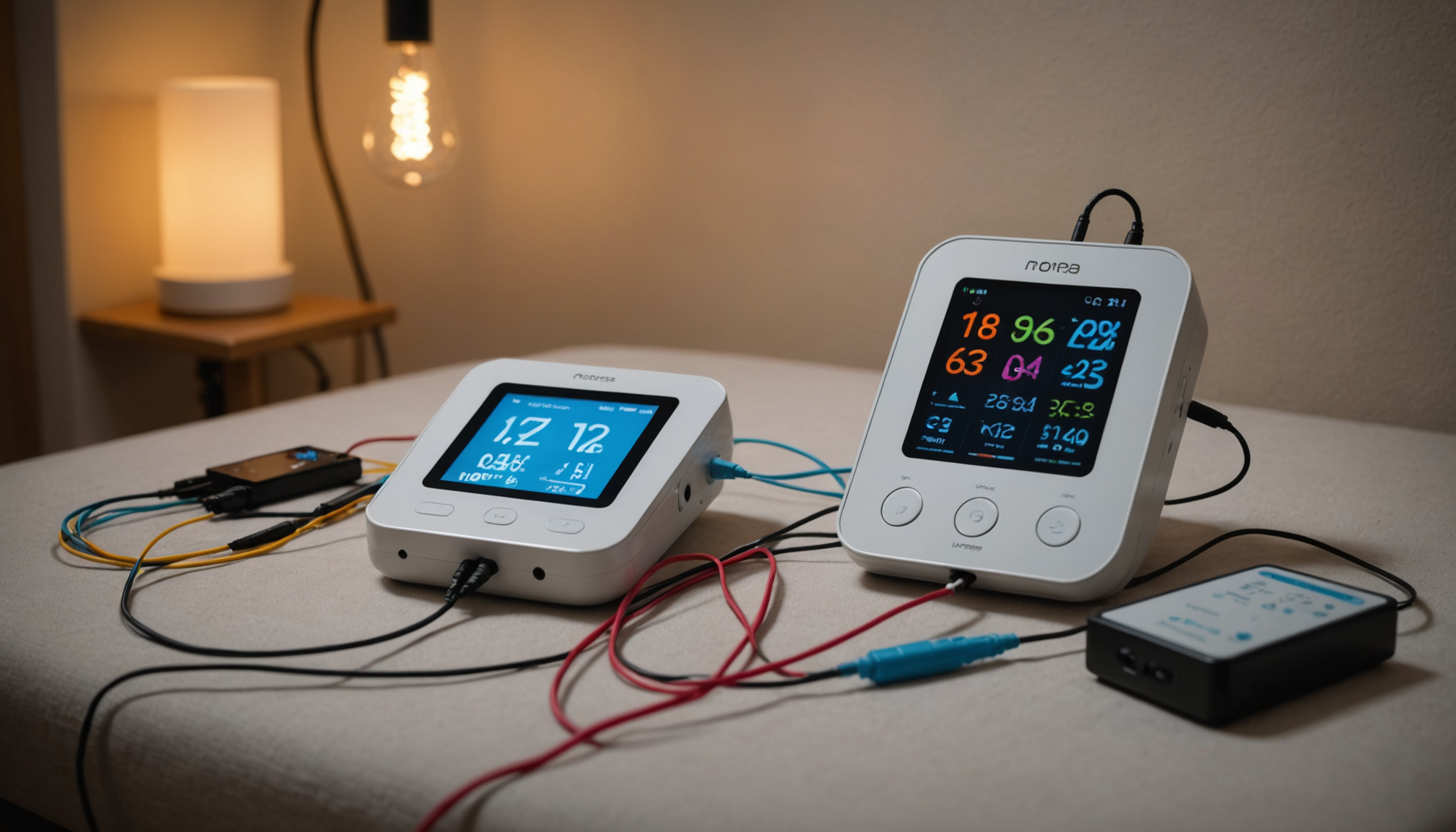
Electrotherapy finds wide-ranging clinical applications in physical therapy settings, addressing various conditions and patient needs. The use of electrotherapy allows therapists to provide targeted treatment options for pain management, muscle rehabilitation, and more. Understanding these applications can help practitioners decide the best therapeutic approach for their patients.
One of the most prominent uses of electrotherapy is for acute and chronic pain relief. Modalities such as Transcutaneous Electrical Nerve Stimulation (TENS) are often utilized to modulate pain pathways effectively. By sending electrical impulses through the skin, TENS can reduce the perception of pain, making it a common choice for patients with conditions such as arthritis, fibromyalgia, or post-surgical recovery. Additionally, with ongoing advancements in programming TENS units, therapists can customize settings to accommodate individual patient responses for enhanced outcomes.
Another important application is in muscle rehabilitation following injury or surgical intervention. Electrical Muscle Stimulation (EMS) is particularly beneficial in situations where voluntary muscle contraction is not feasible. EMS promotes muscle activation, which can help to reduce muscle atrophy during recovery and assist in regaining strength and coordination. This is especially ideal for athletes requiring quick and effective muscle re-education as they return to their sport.
The role of electrotherapy extends to enhancing circulation in affected areas. Using modalities like Interferential Current (IFC), therapists can stimulate deeper layers of tissue. By increasing blood flow, IFC facilitates better nutrient delivery and accelerates the healing process, which is crucial in rehabilitation programs for injuries. Studies have indicated improved healing and reduced recovery times for patients treated with IFC compared to those receiving standard care alone.
Reducing edema and inflammation is another critical application of electrotherapy. Techniques such as ultrasound therapy deploy sound waves to deeply penetrate tissues, promoting healing while simultaneously minimizing swelling. This modality is widely used for soft tissue injuries, optimizing the recovery period by mitigating inflammation and promoting mobility.
Furthermore, iontophoresis plays a crucial role in delivering medication directly to the site of treatment through the skin. This targeted approach allows for localized effects, ideal for managing conditions such as tendonitis or localized inflammatory processes without systemic side effects.
As practitioners integrate electrotherapy into treatment plans, it is essential to tailor approaches based on individual patient assessments. This ensures that each therapy modality aligns with the patient’s specific condition, overall health, and recovery goals. Regularly evaluating patient responses to electrotherapy treatments allows physical therapists to adjust protocols, ensuring optimal effectiveness and patient safety throughout the rehabilitation process.
The clinical applications of electrotherapy in physical therapy encompass a broad spectrum of treatment possibilities. By understanding the specific benefits and functionalities of each modality, practitioners can better serve their patients, ultimately promoting more effective rehabilitation strategies and enhancing patient experiences.
Guidelines for integrating electrotherapy
Integrating electrotherapy into a comprehensive physical therapy regimen requires a careful and structured approach to ensure that each patient receives the most appropriate and effective treatment. Establishing clear guidelines can help therapists maximize the benefits of electrotherapy while tailoring it to meet individual patient needs and conditions.
The first step involves detailed patient assessments. Gathering comprehensive information about a patient’s medical history, current health status, and specific conditions is essential. Clinicians should conduct physical evaluations to determine areas of concern, and assess pain levels, range of motion, and muscle strength. This initial assessment will provide the foundation for developing a personalized treatment plan that incorporates the appropriate electrotherapy modalities.
Next, it’s crucial to establish clear treatment goals in conjunction with patients. Collaboratively setting objectives can enhance patient engagement and compliance throughout the treatment process. Goals should be realistic, measurable, and aligned with patients’ personal health aspirations. For instance, if a patient seeks to alleviate chronic pain or enhance mobility post-injury, the treatment plan should directly reflect these aims by incorporating suitable electrotherapy techniques.
Developing a customized treatment plan involves selecting the most effective electrotherapy modalities based on the patient’s specific condition. For instance, combining Transcutaneous Electrical Nerve Stimulation (TENS) for pain relief with Electrical Muscle Stimulation (EMS) for muscle strengthening could provide a synergistic benefit for patients recovering from surgery. This varied approach not only addresses multiple aspects of recovery but also offers patients a more dynamic experience during their therapy sessions.
Education is a crucial component in integrating electrotherapy into physical therapy regimens. Therapists should take the time to explain the chosen modalities’ functions, benefits, and expected outcomes to patients. This educational aspect can foster trust and empower patients as they partake in their recovery journey. When patients understand the rationale behind their treatment protocol, they are more likely to remain motivated and compliant.
Monitoring and adjusting treatment as necessary is another vital guideline. Practitioners should routinely assess patient responses to electrotherapy interventions, noting any changes in pain levels, function, or comfort. If expected progress is not observed, therapists should be prepared to modify the treatment plan, whether by adjusting the electrotherapy parameters or incorporating additional therapeutic modalities.
Furthermore, effective communication among healthcare professionals is essential for coordinating care. When integrating electrotherapy into a broader physical therapy regimen, therapists should discuss treatment plans and outcomes with relevant team members, including physicians, occupational therapists, and other specialists. This collaborative approach ensures that all aspects of patient care align, ultimately enhancing the overall healing environment.
Implementing these guidelines can create a framework that supports the successful integration of electrotherapy into physical therapy practice. By focusing on personalized assessments, clear goal setting, patient education, and continuous monitoring, practitioners can optimize the therapeutic effects of electrotherapy, leading to improved recovery outcomes for their patients.
“The best way to predict the future is to create it.” – Peter Drucker
Patient assessment and treatment planning
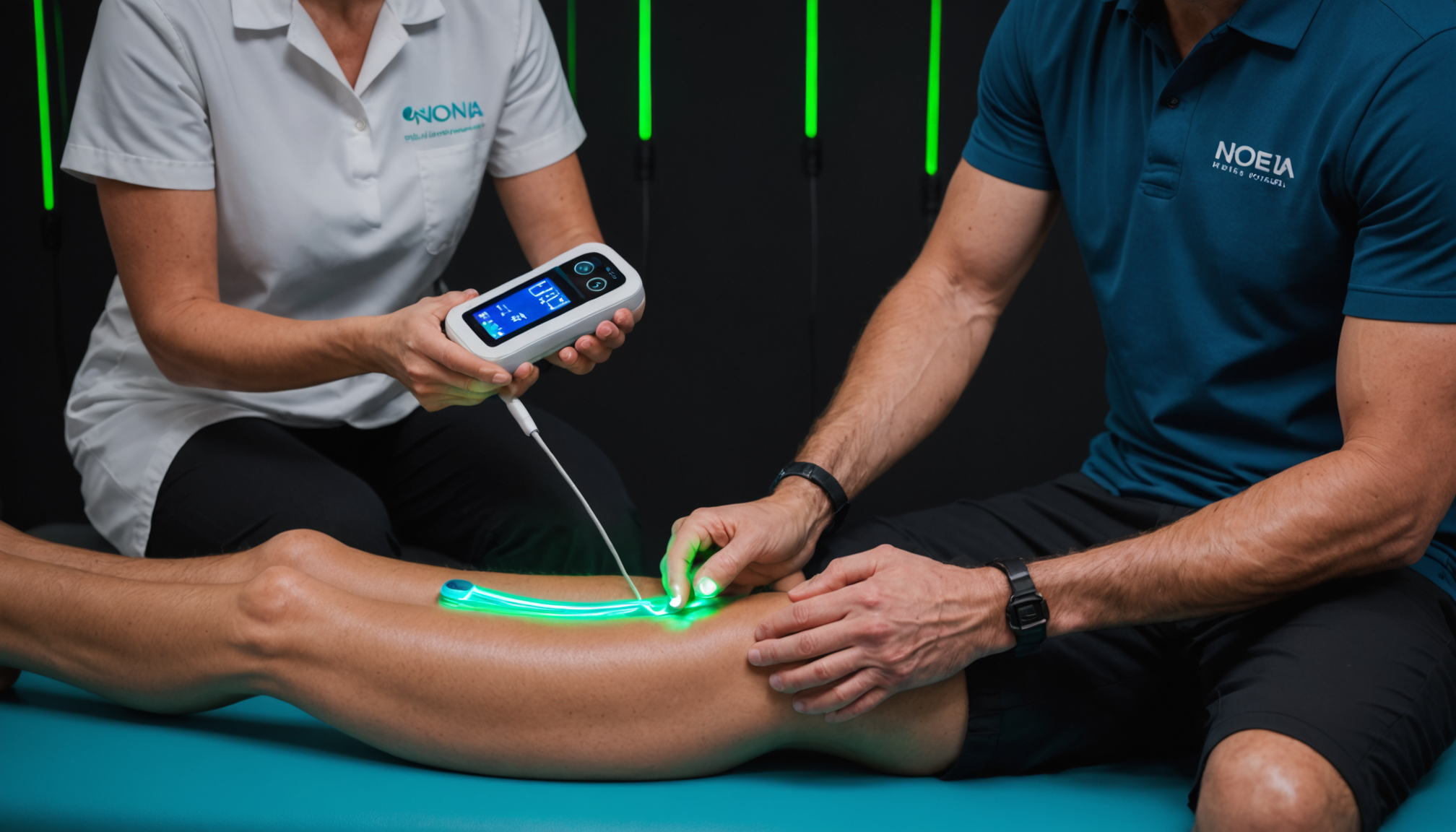 Conducting thorough patient assessments is imperative in tailoring electrotherapy interventions to optimize results. Each patient’s unique medical history, physical condition, and specific needs should be meticulously evaluated before initiating any treatment. This comprehensive assessment might include checking pain levels, evaluating range of motion, and assessing any existing conditions that may influence therapy effectiveness. Importantly, using validated assessment tools can help therapists gain an objective understanding of the patient’s condition, guiding the integration of the appropriate electrotherapy modalities into their rehabilitation regimen.
Once the assessment phase is complete, establishing clear and realistic treatment goals in collaboration with the patient plays a critical role. These goals should reflect the patient’s desires and expectations, which may range from pain management to enhancing mobility. When patients are actively involved in setting their rehabilitation objectives, they are more likely to remain engaged and committed to the treatment process. This partnership fosters a sense of ownership, motivating them to adhere to their prescribed plan.
The next step involves designing a customized treatment plan that incorporates selected electrotherapy modalities aligned with the patient’s specific conditions. For instance, integrating TENS for pain relief may be complemented with EMS to regenerate muscle function—a dual approach that addresses both discomfort and strength deficits. This combination not only maximizes therapeutic effects but also enriches the treatment experience, potentially improving patient satisfaction and outcomes.
Education is a cornerstone of effective patient management during electrotherapy integration. Therapists must take the time to explain how the chosen modalities work, what results to expect, and any precautions to keep in mind. When patients understand the rationale behind their treatment choices, it enhances their confidence in the process and empowers them to actively participate in their recovery. This knowledge-sharing can strengthen the therapist-patient relationship and create a supportive healing environment.
Throughout the course of treatment, continuous monitoring is essential to ensure the plan is effective and safe for the patient. Regular follow-ups allow therapists to evaluate progress, gauge pain levels, and make necessary adjustments. If a patient is not responding as anticipated, alterations to the electrotherapy parameters or the addition of complementary therapies should be considered. This adaptive approach keeps the treatment dynamic and responsive to the patient’s evolving needs.
Lastly, fostering communication among healthcare professionals involved in the patient’s care can enhance the integration of electrotherapy within broader physical therapy practices. When therapists engage in dialogues with physicians and other specialists, they can ensure that all aspects of a patient’s treatment are cohesive and complementary, ultimately supporting the patient’s overall healing journey.
Engaging deeply with these topics not only advances the understanding of integrating electrotherapy into rehabilitation but also ignites an ongoing quest for knowledge in physical therapy practices. Each facet explored opens new avenues of discovery and enhances the effectiveness of patient care.
- What is electrotherapy?
- Electrotherapy is a therapeutic approach that utilizes electrical energy to promote healing, relieve pain, and enhance muscle function. It includes various modalities like TENS, EMS, and ultrasound therapy, each designed to serve specific patient needs.
- How does electrotherapy help with pain relief?
- Electrotherapy techniques such as TENS interrupt pain signals traveling to the brain, helping to alleviate discomfort in patients experiencing acute or chronic pain. It can be particularly beneficial for conditions like arthritis or post-surgical recovery.
- Who can benefit from electrotherapy?
- Electrotherapy can benefit a wide range of individuals, including athletes recovering from injuries, patients with chronic pain conditions, and individuals undergoing rehabilitation after surgery. It is suitable for various age groups and conditions when appropriately applied.
- Are there any risks associated with electrotherapy?
- While generally safe, electrotherapy may not be suitable for everyone. Patients with certain conditions, such as pacemakers, epilepsy, or other implanted devices, should consult their healthcare provider to determine if electrotherapy is appropriate for them.
- Can electrotherapy be used alongside other treatments?
- Yes, electrotherapy can and often is used in conjunction with other physical therapy techniques, such as manual therapy or exercise programs. This integrated approach often yields more comprehensive rehabilitation outcomes for patients.
- How long does each electrotherapy treatment session last?
- Typically, electrotherapy sessions may last between 15 to 30 minutes, depending on the modality used and the specific therapeutic goals. Therapists will customize the duration and frequency based on each patient’s unique treatment plan.
- How can I prepare for an electrotherapy session?
- Preparation for an electrotherapy session usually involves wearing loose, comfortable clothing and discussing any changes in symptoms or health conditions with the therapist. Patients should also inform therapists about any medications or treatments they’re currently undergoing.
Future trends in electrotherapy and physical therapy
The landscape of electrotherapy within physical therapy is continuously evolving, with several promising trends emerging that enhance treatment efficacy and patient experience. One notable trend is the integration of telehealth technologies. As more practitioners adopt virtual consultations, patients can receive guidance on their electrotherapy regimens from the comfort of their homes. This approach allows therapists to assess progress remotely, providing flexibility and convenience for individuals with mobility challenges or time constraints.
Additionally, the development of wearable electrotherapy devices is revolutionizing patient engagement in their rehabilitation journeys. Devices that deliver electrical stimulation during daily activities allow patients to adhere to prescribed treatment regimens without being confined to a clinical setting. For example, a portable TENS unit can be worn during work or exercise, enabling ongoing pain management throughout the day. Such innovations empower patients and promote accountability, which can lead to more successful outcomes.
Another significant advancement is the enhanced understanding of electrotherapy’s effects on various tissues. Ongoing research is uncovering the cellular mechanisms by which electrical stimulation promotes healing and recovery. For instance, studies have shown that certain frequencies can optimize tissue repair, leading to improved protocols that are more tailored to individual conditions. Practitioners should stay abreast of these findings to incorporate the latest evidence-based practices into their treatment plans.
The incorporation of hybrid approaches is also emerging as a trend within physical therapy. Combining electrotherapy with other modalities, such as manual therapy, exercise, or even mindfulness practices, creates a more holistic treatment approach. For example, using EMS in conjunction with therapeutic massage can address muscular issues from multiple angles, enhancing overall recovery. This interdisciplinary strategy not only addresses the physical symptoms but also acknowledges the emotional and psychological aspects of healing.
Moreover, as the understanding of patient-centered care continues to grow, the customization of electrotherapy treatments will become increasingly prevalent. Tailoring therapies to align with individual preferences and responses can lead to higher satisfaction and compliance. Therapists will need to actively involve patients in their treatment choices, discussing the types of electrotherapy that resonate most with them and aligning them with their rehabilitation goals.
Finally, as awareness of the importance of mental health rises, the integration of mindfulness and relaxation techniques during electrotherapy sessions is becoming more common. Practices such as guided imagery or deep breathing exercises can enhance the therapeutic experience and help patients manage anxiety related to pain or treatment. This holistic approach aligns with current trends emphasizing the interconnectedness of physical and mental well-being.
Staying informed about these trends and actively adapting practice to incorporate them can significantly enhance the effectiveness of electrotherapy in physical therapy regimens. By embracing innovation and fostering a collaborative and patient-centered environment, practitioners can optimize treatment outcomes and elevate the overall experience for their patients.
For a personalized session and free consult, Call me: +1 334-300-0389.
Find out how ARPWave Therapy can enhance your performace as an athlete and how you can achieve drug-free pain relief.