

Stretching with a partner for fibromyalgia support
Stretching with a partner for fibromyalgia support
For a personalized session and free consult, Call me: +1 334-300-0389.
Find out how ARPWave Therapy can enhance your performace as an athlete and how you can achieve drug-free pain relief.
- Benefits of Partnered Stretching
- Effective Stretching Techniques
- Finding the Right Partner
- Creating a Comfortable Environment
- Listening to Your Body
- Maintaining a Consistent Routine
Partnered stretching offers numerous advantages, particularly for individuals coping with conditions like fibromyalgia. Engaging in stretching exercises with a partner not only fosters physical benefits but also promotes emotional well-being and motivation during the process.
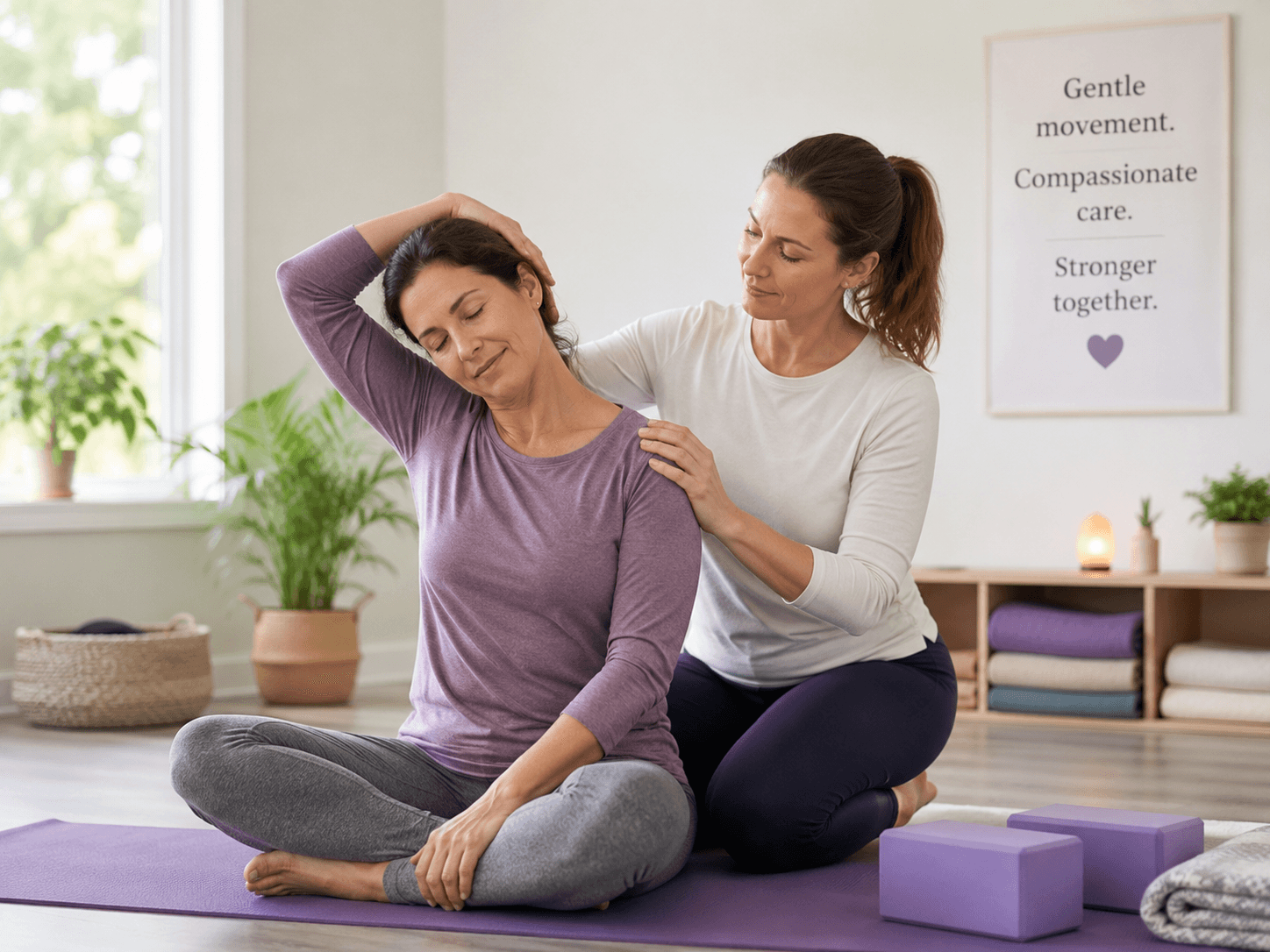
One significant benefit of partnered stretching is the enhanced support it provides. When stretching with a partner, there’s an opportunity to achieve deeper stretches than one might manage alone. Partners can assist in maintaining balance and stability, allowing for a more effective and fulfilling stretching experience. This support is essential for individuals with fibromyalgia, as gentle and guided stretches can alleviate muscle tension and soothe overactive nerves.
Moreover, partnered stretching encourages accountability. Having someone alongside motivates consistency, which is crucial for deriving the full benefits of any stretching routine. This social interaction can be particularly beneficial for those who feel isolated due to their condition. The shared experience can lead to enhanced emotional bonds, fostering a support network that can be vital in dealing with the challenges of chronic pain.
Additionally, practicing partnered stretching can help in developing a better understanding of body mechanics. By observing how a partner stretches, individuals can learn proper techniques to avoid strain and injury. This knowledge transfers to solo sessions, making one more aware of their body’s limits and capabilities.
Lastly, the collaborative nature of partnered stretching can introduce elements of fun and playfulness, which can sometimes be absent in solo stretching routines. Enjoying the process can reduce stress levels, which is beneficial since stress tends to exacerbate symptoms for those with fibromyalgia. Incorporating laughter and light-hearted interactions during stretching sessions can also contribute positively to mental health.
Partnered stretching is a powerful tool for improving physical flexibility and emotional resilience, particularly beneficial for those experiencing the multifaceted challenges of fibromyalgia. Whether it’s through increased support, motivation, knowledge, or simply enjoying companionship, both partners can greatly enhance their overall wellness and support each other through their journeys.
Effective Stretching Techniques
Effective stretching techniques play a crucial role in ensuring that partnered sessions yield the desired benefits, especially for individuals with fibromyalgia who require a gentle and supportive approach. Various methods can enhance flexibility while minimizing discomfort and the risk of injury.
When initiating a stretching routine, it is important to adopt a slow and deliberate pace. This allows both partners to communicate their comfort levels and modify their techniques accordingly. A suggested technique is the use of static stretching, where each stretch is held for 15 to 30 seconds without bouncing. This method promotes muscle relaxation and lengthening, making it particularly effective for individuals with fibromyalgia, who may be sensitive to sudden movements.
Moreover, the PNF (Proprioceptive Neuromuscular Facilitation) stretching technique can be effective when partnered with another individual. In this technique, one partner provides resistance while the other partner contracts their muscle for several seconds, followed by relaxing into a deeper stretch with assistance. A typical PNF stretch might involve the following steps:
1. Partner A stretches their hamstring while Partner B gently pushes against their leg to create tension.
2. Hold the tension for about 5 to 10 seconds.
3. After relaxing, Partner A allows Partner B to help deepen the stretch by gently pushing their leg further back.
This method capitalizes on the trust and communication established between partners and can lead to improved flexibility over time.
Additionally, the concept of dynamic stretching can be integrated into the routine, particularly as a warm-up before more static stretches. This involves controlled movements that gently bring muscles and joints through their range of motion. For example, partners can engage in a series of leg swings or arm circles, gradually increasing the range of motion while ensuring they are in sync with one another.
It is also essential to focus on targeted areas affected by fibromyalgia, such as the neck, shoulders, and lower back. Creating a personalized stretching plan can enhance the effectiveness of partnered stretching sessions. The following table outlines suggested stretches, their target areas, and techniques for partnered support:
| Stretch | Target Area | Partner Support Technique |
|---|---|---|
| Seated Forward Bend | Lower back, hamstrings | Partner gently presses down on the lower back for support as the other leans forward |
| Chest Opener | Chest, shoulders | One partner interlocks hands behind the other’s back, gently pulling to open the chest |
| Side Stretch | Obliques, spine | One partner holds the other’s wrist and assists in a lateral stretch |
These techniques emphasize the importance of mutual support and communication in achieving stretching goals. Both partners should continuously check in with one another, ensuring that each is comfortable and not pushing beyond their limits. By incorporating varied stretching techniques, partners can build a comprehensive routine that not only enhances flexibility but also strengthens their bond and provides much-needed support throughout their fibromyalgia journey.
Finding the Right Partner
Choosing the right partner for stretching sessions can greatly influence the effectiveness and enjoyment of your practice. Ideally, the partner selected should not only be able to provide support but also be someone who understands your needs and comfort levels, particularly if you are managing fibromyalgia symptoms. Here are several tips to consider when looking for a stretching partner:
- Trust and Comfort: Your partner should be someone you feel comfortable with. Trust is essential, especially when engaging in deeper stretches that may require physical support. This comfort allows you to relax and fully benefit from the stretching experience.
- Communication Skills: It’s crucial to find a partner who is adept at communicating their feelings and listening to yours. Clear communication ensures that both parties can express discomfort or the need to modify a stretch if necessary. Regular check-ins during the session can foster a safe environment.
- Understanding of Fibromyalgia: Ideally, your partner should have some knowledge of fibromyalgia and its effects. They don’t need to be an expert, but an understanding of the condition can lead to more tailored support and an empathetic approach during your sessions.
- Similar Fitness Levels: Finding a partner with similar fitness levels can help you stay aligned during the stretching process. A partner who can match or adapt to your flexibility and strength helps maintain balance and minimizes the risk of injury.
- Positive Attitude: A partner who brings a positive attitude can enhance the overall experience. Look for someone who encourages and motivates you, making the stretching session more enjoyable and effective.
Examples of potential partners include friends, family members, or even wellness professionals such as physical therapists. If you are working with a professional, ensure they are familiar with the appropriate techniques and limitations associated with fibromyalgia. Establishing a routine together can also help in creating mutual commitment, improving the overall experience.
Another factor to consider is the setting in which you’ll be stretching. A partner who is willing to adjust their schedule to fit yours can be a great advantage. Consider coordinating times for stretching sessions to build consistency in your practice.
Ultimately, the right partner can transform your stretching sessions into a source of enjoyment and relief, providing not just physical support but emotional encouragement as well. Take time to discuss your specific needs and preferences with your partner to foster an environment that cultivates healing and connection through mutual effort.
Creating a Comfortable Environment
Creating a comfortable environment for partnered stretching is essential to facilitate a supportive and effective experience, especially for those managing fibromyalgia. The ambiance plays a pivotal role in how both partners feel during their sessions, thereby influencing their willingness to engage and focus on the exercise.
Begin by selecting a tranquil space that is free from distractions. This could be a quiet room at home, a garden, or a calm area in a park. Ensure the space is well-lit and ventilated; a comfortable temperature can minimize discomfort and keep both partners at ease. Soft surfaces, like yoga mats or soft carpets, provide a comfortable area for stretching and can help cushion against any potential impact on joints.
Incorporating calming elements into the environment can significantly enhance the overall experience. Playing soft music or nature sounds can create a soothing atmosphere that promotes relaxation. Scented candles, essential oil diffusers, or aromatherapy can also contribute by elevating sensory experiences. For individuals with fibromyalgia, sensory sensitivities are common; therefore, it’s essential to choose scents or sounds that both partners find soothing without causing discomfort.
Having the right equipment on hand is also fundamental. Props like yoga blocks, straps, or pillows can assist in deeper stretches or provide additional support when needed. These tools can make stretches more accessible, especially for partners who may experience limitations due to their condition.
Moreover, setting clear intentions and goals before each stretching session can prepare both partners mentally and emotionally. Discussing what each person hopes to achieve during the practice can promote a sense of teamwork and understanding. It’s beneficial to remain flexible with these goals, adapting as necessary based on how both partners feel that day.
Lastly, be mindful of fostering open communication throughout the session. Create an environment where both partners feel comfortable expressing their needs, whether that means adjusting the intensity of a stretch or taking a break if discomfort arises. Listening to each other’s cues will provide a safe space, reinforcing both the physical and emotional support that partnered stretching aims to provide.
“Creating a supportive environment is essential in every aspect of healing, allowing us to relax and focus on the journey.”
Listening to Your Body
Listening to your body is a crucial aspect of partnered stretching, particularly for those managing fibromyalgia. It’s important to cultivate an awareness of how different stretches affect your body and to communicate those feelings with your partner. As you engage in stretching sessions, pay close attention to any sensations that arise, whether they are feelings of tension or relaxation. Identifying discomfort in real-time can help prevent potential injuries and ensures that you are not pushing your body beyond its limits.
As you stretch, maintain an open dialogue with your partner about your experiences. If something feels too intense or if you encounter a pain point, verbally express this to your partner. This communication allows them to adjust their support or technique accordingly, promoting a safer environment. The partnership thrives on trust, and being honest about your body’s responses fosters a mutual respect that can deepen your connection.
Understanding the varying nature of fibromyalgia symptoms is also essential. There may be days when your body feels more energetic and flexible, and other days when the chronic pain is more pronounced. Listen to these fluctuations; adapt your stretching routine based on how you feel each day. Utilize gentler stretches on days when discomfort levels are higher, prioritizing self-care and gentle support from your partner.
Incorporating mindfulness practices, such as deep breathing, can enhance your awareness during partnered sessions. As you inhale and exhale, use these moments to reconnect with your body, assessing where you hold tension or where you might benefit from more gentle support. This heightened awareness encourages you to be empathetic towards your own needs, but also attentive to your partner’s.
Lastly, reflect on the emotional aspects of stretching. This journey is as much about nurturing the body as it is about creating a restorative space for both partners. Celebrate the small victories and acknowledge when a stretch feels good as a collaborative effort. Emphasizing emotional and physical harmony can significantly enhance the effectiveness of partnered stretching and reinforce the bond between you and your partner.
- Question 1
- What are the benefits of partnered stretching for fibromyalgia? Partnered stretching can provide additional support for deeper stretches, cultivate accountability, and enhance emotional well-being through shared experiences. It can help alleviate muscle tension and promote relaxation, which is particularly beneficial for fibromyalgia symptoms.
- Question 2
- How do I find a suitable partner for stretching? Look for someone you trust and feel comfortable with, ideally someone who understands fibromyalgia or is willing to learn. Good communication and similar fitness levels can also enhance the experience.
- Question 3
- What are some effective stretching techniques? Techniques like static stretching, PNF (Proprioceptive Neuromuscular Facilitation), and dynamic stretching can be beneficial. Each technique provides different benefits, and it’s essential to adapt them to your comfort levels.
- Question 4
- How often should we practice partnered stretching? A consistent routine is key. Aim for regular sessions, possibly several times a week, while allowing for flexibility based on how both partners feel on any given day.
- Question 5
- What should I do if I experience pain while stretching? If you feel pain, it’s essential to stop the stretch immediately and communicate with your partner. Adjusting the intensity or seeking a gentler stretch can help avoid injury.
- Question 6
- How can I create a comfortable environment for stretching? Choose a quiet, well-lit space, use soft surfaces like yoga mats, and consider calming elements like music or aromatherapy. These factors can enhance relaxation and focus during your sessions.
- Question 7
- Is it necessary to warm up before stretching with a partner? Yes, warming up with gentle movements or light aerobic activity helps prepare your muscles and joints for stretching, reducing the risk of injury and improving the effectiveness of your stretches.
Maintaining a Consistent Routine
Establishing a consistent stretching routine with a partner is vital for achieving the desired benefits, particularly for individuals living with fibromyalgia. Regularity in practice not only enhances flexibility but also fosters a supportive environment that can make a significant difference in overall well-being. Here are some practical steps to help maintain this routine effectively:
- Set Realistic Goals: Aim to set achievable targets for your stretching sessions. This could mean committing to a specific number of days a week or deciding on a duration for each session. Setting realistic goals helps both partners stay motivated and can make the experience feel less overwhelming.
- Create a Schedule: Collaborate with your partner to establish a consistent schedule that aligns with both of your availabilities. Whether it’s twice a week or daily sessions, having a pre-determined time can help you both stay accountable. Use calendars or mobile apps to remind each other, making it easier to stick to the plan.
- Be Flexible: While consistency is crucial, it’s also essential to remain adaptable. Fibromyalgia can present unpredictable challenges, making it important to adjust your routine based on how you and your partner feel each day. If one or both of you are experiencing a flare-up, consider shorter sessions or gentler stretches.
- Incorporate Variety: Introducing different stretching techniques and routines can keep the sessions engaging and help maintain motivation. Explore various methods, such as yoga or Pilates, that you can incorporate into your partnered stretching practice. This not only enhances physical benefits but also prevents monotony.
- Track Progress: Keep a journal or use an app to track your stretching sessions. Documenting your progress can boost motivation and highlight improvements over time. You can note down what stretches felt most beneficial, any feelings of discomfort, and changes in flexibility.
- Celebrate Achievements: Acknowledge and celebrate milestones or improvements, whether big or small. This positive reinforcement can strengthen your bond and enhance your commitment to the routine. Recognize each other’s efforts; a simple compliment can go a long way.
Continuously communicating about your experiences during stretching sessions is fundamental to refining your routine. Engage in discussions about what stretches work best, which ones may need modification, and how each of you is feeling during the process. This dialogue not only enhances the partnership but also reinforces the commitment to maintaining a healthy and consistent stretching habit.
Ultimately, establishing a regular stretching routine with a partner can bring substantial benefits to individuals managing fibromyalgia, offering both physical relief and emotional support. By staying committed, communicating openly, and allowing for flexibility, you can create a sustainable and enriching practice that promotes overall wellness.
For a personalized session and free consult, Call me: +1 334-300-0389.
Find out how ARPWave Therapy can enhance your performace as an athlete and how you can achieve drug-free pain relief.