

The benefits of ice baths for recovery
The benefits of ice baths for recovery
For a personalized session and free consult, Call me: +1 334-300-0389.
Find out how ARPWave Therapy can enhance your performace as an athlete and how you can achieve drug-free pain relief.
- The science behind ice baths
- Benefits for muscle recovery
- Impact on inflammation
- Psychological effects of cold exposure
- Best practices for taking ice baths
- Alternatives to ice baths
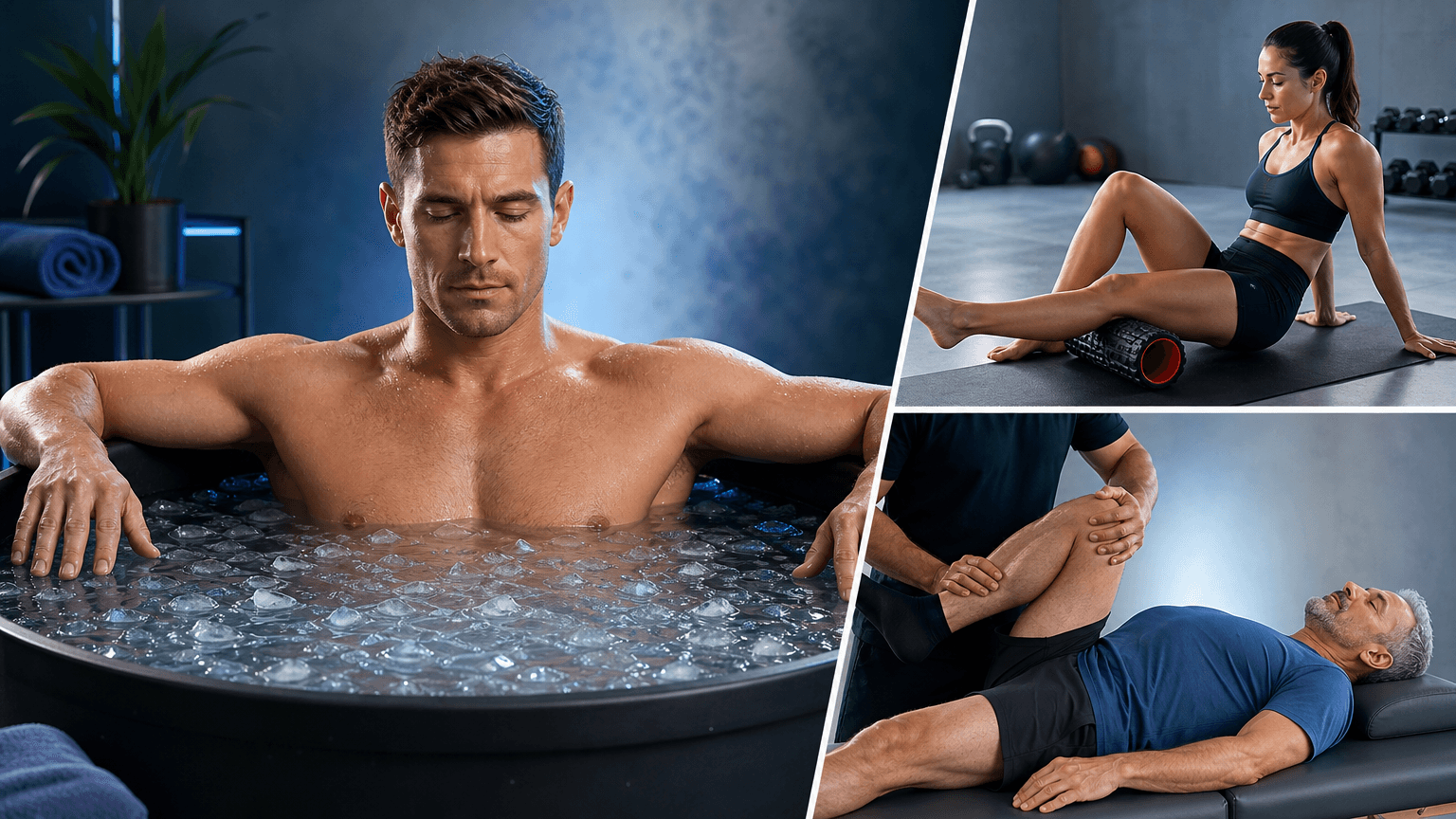
Ice baths, also known as cold water immersion, have gained popularity among athletes and fitness enthusiasts for their purported recovery benefits. The science behind ice baths centers on their ability to induce physiological changes that can aid in recovery. When the body is submerged in cold water, several key processes occur that contribute to muscle recovery and overall well-being.
Firstly, ice baths cause vasoconstriction, which is the narrowing of blood vessels. This response leads to a reduced blood flow to the muscles, which can help decrease the temperature of inflamed tissues and minimize swelling and soreness post-exercise. As the body warms up again after exiting the ice bath, vasodilation occurs, allowing blood to flow back to the muscles, which brings essential nutrients and oxygen necessary for recovery.
In addition to the vascular effects, cold exposure stimulates the release of endorphins, the body’s natural painkillers, which can enhance mood and reduce the perception of pain. This is particularly beneficial for athletes who may experience muscle soreness following intense training sessions or competitions.
Research has indicated that the use of ice baths can also lead to reduced levels of muscle damage markers in the bloodstream, suggesting that they can mitigate the physiological impact of strenuous exercise. Studies have shown that athletes who incorporate ice baths regularly can experience a quicker return to baseline levels of strength and performance compared to those who do not utilize this recovery method (Hoffman et al., 2008).
However, while ice baths can be beneficial, they should not be seen as a standalone solution for recovery. Incorporating them as part of a broader recovery strategy that includes proper nutrition, hydration, and complementary therapies such as massage can yield more significant results and enhance overall athletic performance.
For those curious about trying ice baths, it is essential to consult with a healthcare professional, especially for individuals with underlying health conditions such as fibromyalgia or autoimmune disorders, as the response to cold exposure can vary significantly across different populations.
In summary, the mechanisms of ice baths reveal their potential benefits in muscle recovery and pain relief, demonstrating that a thoughtful approach to cold exposure can play a valuable role in an athlete’s recovery regimen.
References:
Hoffman, M. D., & Maresh, C. M. (2008). “Effects of Post-Exercise Cold Water Immersion on Recovery of Muscle Performance and Injury Prevention.” Journal of Exercise Science & Fitness, 6(2), 339-348.
Benefits for muscle recovery
Incorporating ice baths into a recovery regimen can significantly enhance the recovery process for athletes and active individuals. The primary benefits stem from their ability to alleviate muscle soreness and accelerate healing, which are crucial following intense physical exertion.
One of the main advantages of using ice baths is their effectiveness in minimizing delayed onset muscle soreness (DOMS). DOMS can occur after intense workouts or unfamiliar physical activities, often resulting in muscle stiffness and tenderness. Studies have indicated that cold water immersion can significantly reduce the severity of DOMS, allowing athletes to return to training sooner and maintain their performance levels.
A comparison of different recovery techniques can highlight the unique benefits of ice baths:
| Recovery Method | Effectiveness for Muscle Soreness | Time Efficiency | Cost |
|---|---|---|---|
| Ice Baths | High | Quick (10-15 minutes) | Low (cost of ice/water) |
| Active Recovery (e.g., light exercise) | Moderate | Variable | Low |
| Massage Therapy | High | Variable | Moderate to High |
| Compression Therapy | Moderate | Variable | Moderate to High |
The mechanism by which ice baths aid muscle recovery involves the reduction of metabolic activity in muscle tissues. When the temperature of the muscles is lowered, the processes that lead to inflammation and pain are likewise slowed down. This is particularly beneficial in allowing the muscle fibers to repair and regenerate more efficiently.
Moreover, ice baths prompt a physiological response that enhances the body’s overall circulatory system. When an athlete emerges from the cold, their body experiences a rebound effect, leading to increased blood flow. This enhanced circulation can bring vital nutrients and oxygen to the muscles, further facilitating the repair process and helping to remove metabolic waste products that accumulate during exercise.
Another key benefit is the potential reduction in perceived exertion during subsequent workouts. Athletes who regularly utilize ice baths report feeling less fatigued and more refreshed, allowing them to train harder and more effectively. The mental benefits should not be overlooked, as maintaining a positive mindset and managing perceived fatigue can significantly impact training outcomes.
Integrating ice baths into a recovery routine, especially in combination with other recovery strategies, can lead to a well-rounded approach to athletic recovery, ensuring that both body and mind are prepared for the demands of competitive sports.
Impact on inflammation
The application of ice baths is particularly effective in managing inflammation, an essential part of the recovery process for athletes. When muscles undergo rigorous training, they often experience microtears, leading to inflammation. This inflammation is a natural response to injury, but excessive or prolonged inflammation can hinder recovery and negatively affect performance. By utilizing ice baths, athletes can reduce the severity of this inflammation and promote a healthier recovery environment for their bodies.
Cold exposure in ice baths leads to a profound decrease in the metabolic rate of cells, which helps slow down inflammatory processes. When blood vessels constrict due to cold exposure, it minimizes the influx of inflammatory markers and helps prevent an overactive inflammatory response. This mechanism becomes especially pertinent after intense workouts when the body is most susceptible to inflammation-related damage. As the individual warms back up after exiting the ice bath, the reperfusion of blood leads to an influx of nutrients and oxygen, boosting the healing process and facilitating the removal of waste products, such as lactic acid, that contribute to soreness.
It is significant for athletes and practitioners to note the timing of ice baths for maximum benefits. Research indicates that the most effective use of ice baths is within 30 minutes following strenuous exercise. This is when the inflammatory markers are heightened, and applying cold therapy can interrupt the cascade of inflammation most effectively (Wilcock et al., 2006). However, it is essential to temper expectations; while ice baths can significantly reduce inflammation, they are not a panacea. They should be part of a comprehensive recovery program that includes hydration, nutrition, and appropriate rest.
For individuals who are sensitive to cold or have specific health concerns, such as circulatory issues, it’s crucial to approach ice baths with caution. Alternating warmth and cold exposure—known as contrast therapy—might be a more suitable option for those who wish to gain similar anti-inflammatory benefits without extreme cold exposure.
In summary, ice baths serve as a powerful tool for managing inflammation post-exercise, allowing athletes to mitigate the risks of prolonged inflammation and enhance their recovery. Integrating this practice into a well-rounded recovery strategy can promote optimal performance on the field and in the gym.
References:
Wilcock, I., Cronin, J., & Hing, W. (2006). “Icing techniques in sport recovery: a review.” Journal of Sports Science and Medicine, 5(3), 212-220.
Psychological effects of cold exposure
Cold exposure during ice baths can have profound psychological effects on individuals, particularly athletes seeking to enhance their recovery experiences. The sheer act of immersing oneself in ice-cold water prompts not only a physical response but also engenders a mental shift that can be incredibly beneficial. Experiencing such discomfort can lead to improved mental resilience, teaching athletes to push through adverse conditions, both physically and mentally.
The shock of the cold water triggers a release of endorphins, the body’s natural mood elevators, which can result in an immediate uplift in mood. This biochemical response can be transformative, turning what initially feels like an unfavorable experience into a rewarding one. Athletes often report feeling a sense of accomplishment and invigoration after completing an ice bath session, culminating in enhanced motivation and readiness for training or competition.
Studies have suggested that engaging regularly in ice baths contributes to improved mental toughness. In a high-stress competitive environment, the ability to maintain composure under physical strain is essential. The exposure to extreme cold and the subsequent body adaptation can mirror competitive stressors, allowing athletes to better prepare for and manage the mental aspects of their sports.
“The greatest weapon against stress is our ability to choose one thought over another.” – William James
Furthermore, ice baths can promote mindfulness. The immediate and intense sensations experienced during cold water immersion help anchor an athlete in the moment, fostering a stronger mind-body connection. This mindfulness can lead to reduced anxiety and improved focus, both critical components for optimal performance in competitive settings.
Valuing mental health is increasingly recognized as vital for peak performance. Incorporating ice baths into a wider recovery strategy can serve not just the physical aspects of recovery, but also bolster psychological resilience. Athletes may find that these moments of discomfort provide greater clarity and calmness, translating into improved performance in future endeavors.
The psychological effects of cold exposure are thus multi-faceted, contributing to a stronger mental state, enhanced focus, and overall improved recovery experiences.
Best practices for taking ice baths
Taking ice baths can be an effective strategy for recovery when approached with the right mindset and methodology. To optimize the benefits, it’s essential to follow a structured routine that emphasizes safety and effectiveness. Begin by preparing your body: before entering the ice bath, ensure you have warmed up adequately through light exercise. This preparation helps to prevent excessive shock to your system when transitioning into cold water.
When setting up your ice bath, aim for a temperature range of 50°F to 59°F (10°C to 15°C). A common method is to fill a tub with cold water and then add ice until it reaches the desired temperature. The immersion time should typically last between 10 to 15 minutes, depending on individual tolerance levels. For beginners, starting with shorter durations and gradually increasing the time can help one acclimatize more effectively to the cold.
While submerged, focus on controlled breathing techniques. Deep, steady breaths can help manage discomfort and reduce the instinctive urge to panic in response to the cold exposure. Engaging in mindfulness or visualization practices during the ice bath may also enhance the experience, encouraging relaxation and reinforcing the psychological advantages that cold exposure may provide.
Post-bath, gently warm your body with a warm drink or by wrapping yourself in a towel or blanket. It’s vital not to jump immediately into a hot shower, as this can counteract the recovery benefits gained from the cold exposure. Hydration is crucial after an ice bath; drink water or an electrolyte-rich beverage to replenish fluids lost during the process.
Finally, listen to your body—if you experience excessive or prolonged discomfort, it may indicate that adjustments are needed. Regularly incorporating ice baths into your recovery protocol, while maintaining an awareness of your body’s responses, can cultivate a powerful tool in your athletic arsenal.
- How often should I take ice baths?
- The frequency of ice baths can vary based on individual training intensity and preferences. Many athletes incorporate them 1-3 times per week, particularly after intense training sessions or competitions.
- Are ice baths safe for everyone?
- While generally safe for most individuals, those with certain medical conditions, such as cardiovascular or respiratory issues, should consult with a healthcare professional before attempting ice baths. Safety should always be the priority.
- Can I use other methods of cold exposure instead of ice baths?
- Yes, alternatives like cold showers or ice packs can offer similar benefits. However, ice baths may provide a more comprehensive recovery experience due to full-body immersion.
- What is the best time to take an ice bath?
- The optimal time for an ice bath is within 30 minutes post-exercise when the body is most exposed to inflammation. This timing helps maximize the benefits of cold exposure in managing soreness.
- How long should I stay in the ice bath?
- Staying in an ice bath typically ranges from 10 to 15 minutes. Beginners may start with shorter durations to build tolerance.
- Will ice baths improve my performance?
- Ice baths can enhance recovery, which indirectly supports performance by reducing muscle soreness and speeding up the healing process, allowing you to train consistently and effectively.
- Can ice baths help with mental toughness?
- Yes, the discomfort of cold exposure can enhance mental resilience. Regularly facing the challenge of ice baths may prepare athletes to manage stress and pressure during competition.
Alternatives to ice baths
For those who find ice baths challenging, there are numerous alternatives that can provide similar recovery benefits without the extreme cold exposure. Each of these methods can incorporate elements that promote muscle recovery, reduce soreness, and help manage inflammation.
- Cold Showers: A more accessible alternative to ice baths, cold showers can effectively stimulate blood circulation and reduce muscle soreness. Aim for a duration of 5 to 10 minutes, gradually decreasing the water temperature to help the body acclimate.
- Cold Packs: Applying cold packs to specific muscle groups immediately after exercise can target inflammation and soreness effectively. Ensure to wrap the pack in a cloth to avoid direct contact with the skin, limiting exposure to 15-20 minutes per session.
- Contrast Therapy: This technique alternates between cold and warm exposure. Start with cold for 1-3 minutes, followed by warm water for an equal duration. This can enhance blood flow and promote recovery through the “pumping” effect of vasodilation and vasoconstriction.
- Compression Therapy: Using compression garments or devices can help with blood circulation and reduce the effects of delayed onset muscle soreness (DOMS). They work by applying pressure to the muscles, which can aid in the removal of metabolic waste and reduce swelling.
- Active Recovery: Engaging in light physical activity, such as walking, yoga, or swimming, can facilitate blood flow and promote recovery without the shock of cold exposure. Gentle movements can help keep muscles engaged and reduce stiffness following intense workouts.
Each of these alternatives can serve as a valuable component in a comprehensive recovery strategy. Athletes should consider what works best for their personal preferences and physiological responses. Moreover, integrating multiple recovery methods can enhance overall performance and recovery outcomes.
As with ice baths, it’s important for individuals with specific health concerns to consult a healthcare professional before adopting any new recovery methods, ensuring safety while maximizing the benefits of their recovery regimen.
For a personalized session and free consult, Call me: +1 334-300-0389.
Find out how ARPWave Therapy can enhance your performace as an athlete and how you can achieve drug-free pain relief.