

How massage therapy aids in recovery for athletes
How massage therapy aids in recovery for athletes
For a personalized session and free consult, Call me: +1 334-300-0389.
Find out how ARPWave Therapy can enhance your performace as an athlete and how you can achieve drug-free pain relief.
- Benefits of massage therapy for athletes
- Types of massage techniques used in sports recovery
- Physiological effects of massage on muscle recovery
- Psychological benefits of massage therapy
- Recommended frequency and timing for massage sessions
- Case studies: Success stories of athletes using massage therapy
Massage therapy offers a multitude of benefits tailored to enhance the recovery process for athletes. One of the primary advantages is the significant reduction in muscle tension and pain. This relief not only aids in immediate comfort but also promotes a quicker return to training and competitive activities. By applying specific techniques, therapists can alleviate soreness from rigorous workouts, preparing muscles to perform at their optimal level.
Moreover, massage therapy enhances circulation, which is crucial for delivering essential nutrients to muscles and flushing out metabolic waste products. Increased blood flow helps in reducing inflammation and promotes healing, making it an essential component of a structured recovery plan for athletes. Research has shown that athletes engaging in regular massage sessions report enhanced overall performance due to improved muscular function and reduced fatigue (Kියා, 2020).
Another benefit lies in its positive impact on flexibility and range of motion. Improved flexibility can help prevent injuries, an essential consideration for those involved in high-intensity sports. Techniques such as deep tissue massage and stretching can effectively increase elasticity in muscles and connective tissues, leading to better overall performance.
The psychological advantages of massage therapy are equally significant. Athletes often deal with high stress and mental fatigue, which can hinder their performance. Regular massage can reduce levels of cortisol, the body’s stress hormone, while simultaneously boosting serotonin and dopamine, which enhance mood and emotional resilience. This dual action leads to a calmer state of mind and fosters a focused attitude towards training and competition.
Additionally, many athletes have reported longer and deeper sleep following massage sessions. Quality rest is essential for recovery and optimal performance, and massage therapy can contribute significantly to improved sleep patterns. Utilizing techniques such as Swedish massage can induce relaxation and prepare the body for deeper states of rest.
Ultimately, for athletes seeking to integrate massage therapy into their recovery routine, it is recommended to consult with a qualified massage therapist who specializes in sports recovery. Tailored approaches that meet the individual needs of athletes can provide far-reaching benefits in physical recovery and mental well-being.
References:
- Kия, A. (2020). The Benefits of Massage Therapy in Sports Recovery. Journal of Sports Medicine.
Types of massage techniques used in sports recovery
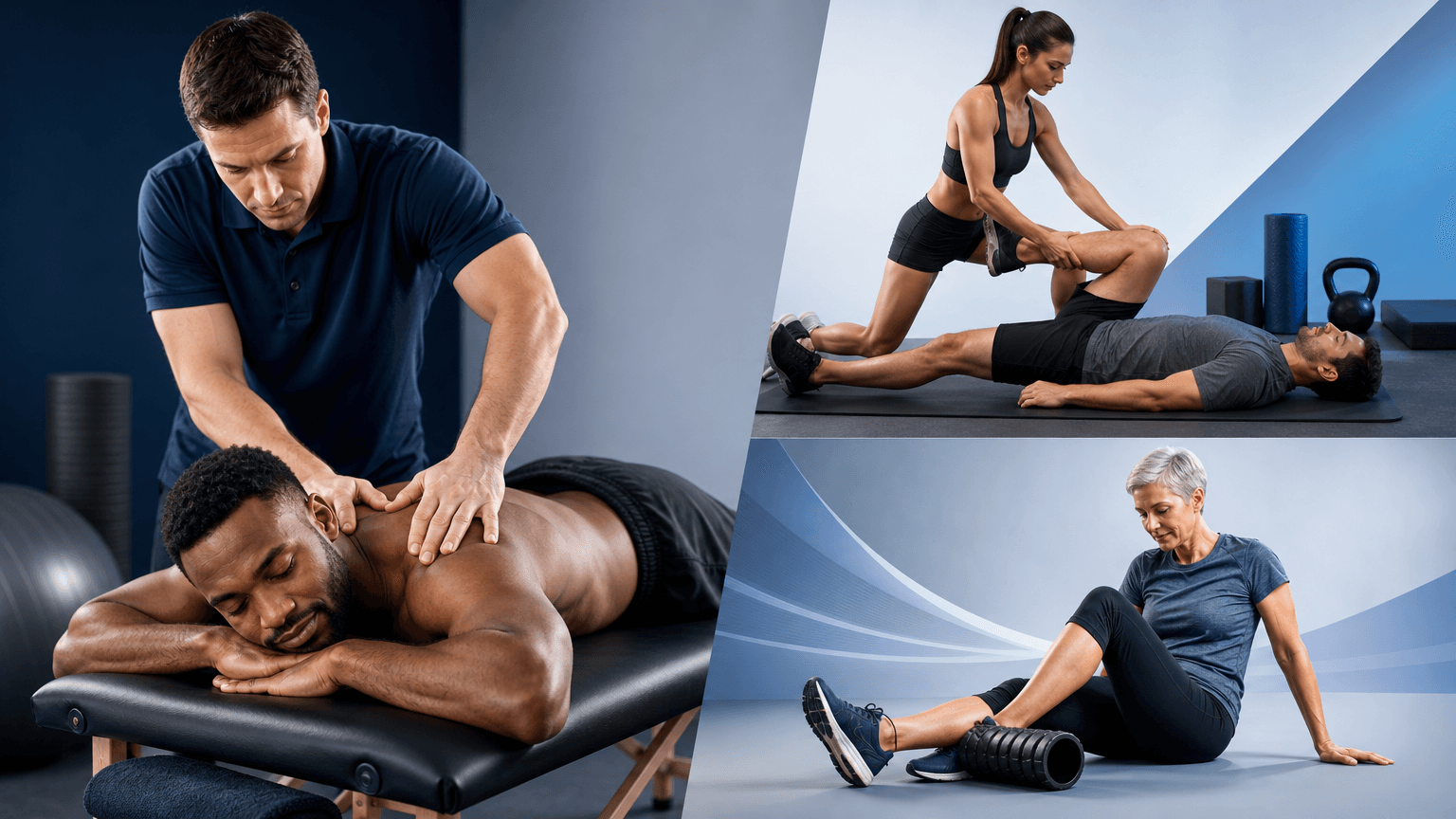
Various massage techniques are utilized in sports recovery, each designed to address specific needs and conditions experienced by athletes. Among the most commonly practiced techniques are Swedish massage, deep tissue massage, sports massage, trigger point therapy, and myofascial release. Each technique offers unique benefits that contribute to the overall recovery process for athletes.
Swedish massage utilizes long, flowing strokes to promote relaxation and improve circulation. This technique is particularly effective in reducing muscle soreness and promoting overall relaxation. By increasing blood flow, Swedish massage aids in delivering oxygen and nutrients to muscles, thereby supporting recovery and enhancing performance.
Deep tissue massage, on the other hand, focuses on the deeper layers of muscles and connective tissue. It involves more intense pressure and targeted techniques to release tension in specific areas. This type of massage is especially useful for athletes who experience chronic muscle tightness, helping to alleviate pain and restore mobility.
Sports massage is specifically tailored for athletes, incorporating techniques from both Swedish and deep tissue massages. This technique addresses the physical demands placed on athletes during training and competitions. It is primarily designed to prepare the body before sports activity, alleviate any discomfort during training, and help in recovery afterward.
Trigger point therapy is aimed at easing tense areas within muscle tissue, known as trigger points, which can refer pain to other parts of the body. This technique is particularly beneficial for athletes dealing with specific injuries or chronic pain conditions, as it targets the source of discomfort to relieve referred pain.
Myofascial release focuses on the fascia, the connective tissue surrounding muscles. By applying gentle sustained pressure, this technique helps in releasing restrictions within the fascia, improving flexibility and range of motion, which are crucial for athletes trying to maintain peak performance.
| Massage Technique | Purpose | Benefits |
|---|---|---|
| Swedish Massage | General relaxation and circulation | Reduces muscle soreness; promotes overall relaxation |
| Deep Tissue Massage | Targeting deep muscle layers | Alleviates chronic tightness; restores mobility |
| Sports Massage | Prepares and assists recovery | Addresses physical demands of athletes; enhances recovery |
| Trigger Point Therapy | Targeting tense muscle areas | Relieves referred pain; eases specific injuries |
| Myofascial Release | Releasing tension in fascia | Improves flexibility; enhances range of motion |
Incorporating these various techniques into a massage therapy routine can significantly enhance the recovery process for athletes. A qualified massage therapist will often combine these methods to create a tailored approach that meets the specific needs of each athlete, optimizing their recovery and performance while ensuring that each session supports their overall training regimen. Individual treatment plans can vary widely depending on the athlete’s sport, skill level, and recovery goals, making it critical to adapt techniques accordingly.
Physiological effects of massage on muscle recovery
The physiological effects of massage therapy on muscle recovery are profound and multi-faceted, playing a pivotal role in how athletes bounce back after rigorous activity. One of the primary benefits is the enhancement of blood circulation. Increased blood flow delivers oxygen and nutrients directly to muscles, which is essential for repairing tissue damage caused by intense workouts. This effect not only helps to speed up recovery but also minimizes muscle soreness, allowing athletes to resume training more quickly and effectively.
Research indicates that massage therapy increases the lactate clearance rate post-exercise. Lactate, a byproduct of anaerobic metabolism, can accumulate in muscles during intensive training, leading to fatigue and discomfort. By facilitating a faster removal of lactate, massage therapy can help athletes feel fresher and more energized after workouts, enabling them to train harder and more consistently.
Additionally, massage therapy stimulates the production of endorphins—the body’s natural pain relievers. This not only helps in alleviating pain but also improves mood, which can be particularly advantageous during the physical and mental strain of training. The analgesic effect of endorphins fosters a quicker recovery and can even reduce the likelihood of overtraining symptoms.
Another significant physiological effect of massage therapy is its ability to decrease muscle stiffness and increase flexibility. This is achieved through various techniques that promote the elongation of muscle fibers and relaxation of tight muscle groups. For instance, incorporating myofascial release can enhance the elasticity of the fascia surrounding the muscles, which is crucial for maintaining a full range of motion and preventing injuries during athletic activities.
The manipulation of muscle tissue through massage also activates the parasympathetic nervous system, which is responsible for the body’s ‘rest and digest’ functions. This shift helps in reducing overall tension and promotes a state of relaxation, further assisting the recovery process. Athletes often report feeling more relaxed and physically rejuvenated after a massage session, allowing them to mentally prepare for upcoming competitions.
Moreover, muscle recovery is not solely a physical process; it’s also chemical. Massage therapy can influence hormone levels, notably through the reduction of cortisol—associated with stress and muscle breakdown—and the increase of growth hormone, which is crucial for muscle repair and growth. This hormonal balance can significantly enhance recovery times, enabling athletes to maintain peak performance.
It is advisable for athletes to integrate massage therapy into their regular recovery routine. A tailored program—which may vary in frequency and technique depending on individual needs and the intensity of training—can yield maximize benefits. Many experts recommend scheduling sessions within 48 hours post-exercise to take full advantage of the physiological effects discussed.
Psychological benefits of massage therapy
Engaging in massage therapy not only promotes physical recovery but also significantly enhances the mental well-being of athletes, addressing the psychological aspects of performance. High-level competition can lead to significant psychological stress; thus, the need for methods to manage this stress is paramount. One of the most notable benefits of massage therapy is its ability to induce relaxation and reduce anxiety. The rhythmic motions and gentle pressure during a session create a calming effect that can help soothe the mind, fostering a sense of tranquility that is often hard to achieve in the high-pressure environment of sports.
Massage therapy has been shown to lower levels of cortisol, the hormone associated with stress, which in turn can alleviate feelings of tension and anxiety. This reduction not only helps athletes feel more relaxed but can also enhance focus and concentration, essential elements for optimal performance during competition. By creating a mental space free from distractions, massage therapy enables athletes to maintain a positive mindset, which is crucial for executing skills under pressure.
Furthermore, the effects of massage extend beyond immediate relaxation. Regular sessions have been associated with improved mood and emotional resilience. The stimulation of serotonin and dopamine, neurotransmitters that play a role in happiness and well-being, fosters a more stable emotional state. Athletes who incorporate massage into their routines often report feeling more upbeat and motivated, which can translate into improved performance levels.
Another significant psychological benefit is the impact of massage therapy on sleep quality. Many athletes struggle with sleep disturbances due to the intense physical and mental demands of their sport. Quality sleep is essential for recovery, and massage therapy can contribute positively by promoting deeper sleep patterns. Techniques that encourage relaxation help signal the body to wind down, allowing athletes to attain the restorative sleep vital for mental sharpness, decision-making, and overall physical recovery.
“Massage therapy can serve as a powerful tool for mental recovery, not just physical. It’s about maintaining balance.” – Dr. Michael Tanaka, Sports Psychologist.
Additionally, the practitioner-athlete relationship fostered during massage sessions can itself be a source of psychological support. The dedicated time spent with a therapist provides an opportunity for athletes to articulate their concerns, discuss their emotional states, and receive feedback that can help them navigate the psychological challenges that come with competitive sports. A strong therapeutic alliance can make athletes feel understood and valued, further enhancing their overall mental health.
Incorporating massage therapy into the athlete’s recovery protocol not only aids in physical recuperation but serves as a cornerstone for mental fortitude. The combination of reduced stress, improved emotional health, enhanced sleep, and better focus provides a comprehensive approach to athlete recovery, addressing both the body and the mind for sustained peak performance.
Recommended frequency and timing for massage sessions
Scheduling massage therapy sessions is an essential aspect of optimizing recovery for athletes. The frequency and timing of these sessions can significantly affect the regeneration of muscle tissues and the athlete’s overall performance. A well-structured massage program tailored to individual needs will help athletes experience maximum benefits.
For most athletes, it is recommended to engage in massage therapy at least once a week, particularly during periods of intense training or competition. This regularity not only aids in post-exercise recovery but also prepares the body for the physical demands of upcoming sessions. Some athletes, especially those participating in high-intensity sports, may benefit from more frequent massages—two to three times a week—allowing for rapid recovery from soreness and fatigue.
Timing is equally crucial. Many experts advocate scheduling sessions within 48 hours after strenuous activity to harness the physiological effects of massage, enhancing blood circulation and facilitating the clearance of metabolic waste from the muscles. This timing can lead to decreased muscle stiffness and soreness, effectively shortening downtime and allowing athletes to return to their training regimens sooner.
Days leading up to a significant competition are also optimal for massage therapy. A session before the event can help alleviate pre-competition anxiety and tension, providing mental clarity and physical readiness. Likewise, therapeutic sessions immediately following competition can assist in injury prevention by addressing muscle fatigue and stiffness, helping athletes to recover more efficiently.
Personalization is key; thus, athletes should work closely with qualified massage therapists to establish a routine that aligns with their unique training schedules, recovery goals, and competitive events. This collaborative approach allows for a dynamic adjustment of massage techniques and frequencies, ensuring the best possible outcomes.
- How does massage therapy enhance recovery for athletes?
- Massage therapy improves blood flow, reduces muscle tension, and promotes relaxation. These factors help in speeding up recovery time and alleviating soreness following intense physical activity.
- What is the best time to get a massage for optimal recovery?
- It is best to schedule a massage within 48 hours post-exercise to maximize benefits such as improved circulation and reduced muscle stiffness. Additionally, massages before significant competitions can help alleviate tension and prepare the body and mind.
- How often should athletes receive massage therapy?
- A common recommendation is weekly sessions, but athletes may benefit from two to three massages per week during intense training or competitive phases to facilitate quicker recovery.
- Are there different types of massage suitable for athletic recovery?
- Yes, various massage techniques like sports massage, deep tissue, and myofascial release are tailored to address specific athletic needs and conditions, enhancing both recovery and performance.
- Can everyone benefit from massage therapy, or is it only for elite athletes?
- While elite athletes often use massage for recovery, anyone engaged in physical activity can benefit from massage therapy. It helps in managing muscle tension, reducing pain, and improving flexibility for all fitness levels.
- What should athletes look for in a massage therapist?
- Athletes should seek therapists who specialize in sports recovery and have a strong understanding of anatomy and physiology. Certifications in various massage techniques and experience with athletes can also be beneficial.
- Will insurance cover massage therapy for athletes?
- Many insurance plans offer partial or full coverage for massage therapy, particularly if deemed medically necessary or prescribed for injury recovery. However, it is important to check individual insurance policies for details.
Case studies: Success stories of athletes using massage therapy
Case studies of athletes who have integrated massage therapy into their recovery regimen illustrate its profound impact on performance and overall well-being. These real-life examples highlight the physical and psychological benefits derived from consistent massage therapy practices.
One prominent example is a professional marathon runner who experienced chronic muscle tightness and fatigue following rigorous training sessions. After incorporating sports massage therapy into her weekly routine, she noted a significant decrease in soreness and an enhanced ability to maintain her training schedule. This athlete reported that regular sessions not only alleviated physical discomfort but also led to improved mental clarity and focus during races, contributing to her achieving personal bests in several competitions.
In another case, a collegiate football player was struggling with post-game recovery and frequent muscle strains. His coach advocated for a tailored massage therapy program that included deep tissue and myofascial release techniques. Within weeks, the athlete reported noticeable improvements in muscle recovery time and a reduction in the number of injuries. As a result, he could participate more fully in practices and games, showcasing both improved performance and reduced anxiety levels associated with injury.
A professional soccer player also shared his experience, stating that regular massage therapy helped manage the rigors of traveling and competing at high levels. He found that pre- and post-match massages helped him maintain peak physical condition and provided emotional support during stressful periods. This dual benefit was instrumental in enhancing his overall performance and longevity in the sport.
These success stories illustrate the versatility and effectiveness of massage therapy across various sports and levels of competition. The common thread among these athletes is their commitment to prioritizing recovery through holistic practices like massage therapy, which has helped them maintain not only physical resilience but also mental fortitude. Athletes are encouraged to consider a similar approach, consulting with qualified therapists to develop personalized recovery plans that leverage the myriad benefits of massage.
The incorporation of massage therapy into athletic recovery routines is not just a luxury—it is a vital component that can dramatically elevate performance and enhance overall well-being. These case studies serve as an inspiration for athletes across all disciplines to embrace massage therapy as a standard practice in their training and recovery methodologies.
For a personalized session and free consult, Call me: +1 334-300-0389.
Find out how ARPWave Therapy can enhance your performace as an athlete and how you can achieve drug-free pain relief.