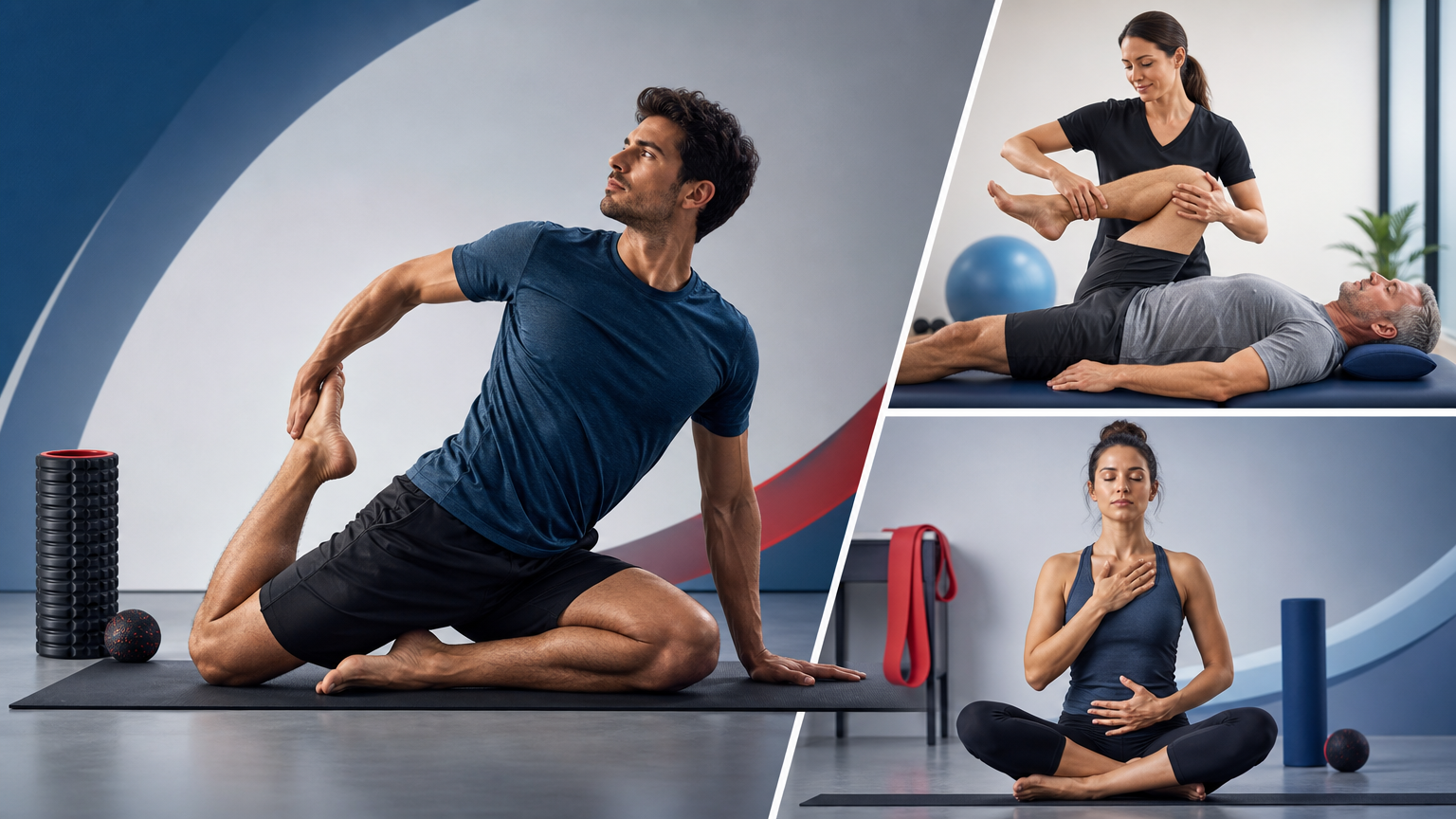


Listening to your body while stretching with fibromyalgia
Listening to your body while stretching with fibromyalgia

For a personalized session and free consult, Call me: +1 334-300-0389.
Find out how ARPWave Therapy can enhance your performace as an athlete and how you can achieve drug-free pain relief.
- Listening to your body while stretching with fibromyalgia
- Understanding fibromyalgia and its impact on flexibility
- The importance of mindful stretching
- Identifying your body’s signals
- Recommended stretching techniques for fibromyalgia
- Creating a personalized stretching routine
- When to seek professional guidance
Listening to your body during stretching is fundamental, especially for individuals with fibromyalgia. Each person’s experience with this condition is unique, which means flexibility and pain levels can vary significantly from day to day. The ability to tune in to your body’s signals can help you achieve a balance between enhancing flexibility and avoiding overexertion.
When stretching, the first rule is to start slow and gentle. Avoid pushing your body to the limit. Instead, focus on the sensations you’re experiencing. Make sure to differentiate between mild discomfort and pain. If you experience sharp pain, it’s crucial to stop immediately, as this can indicate that you are stretching too aggressively.
Engage in a series of preliminary self-assessments before you begin your stretching routine. Here are some practical steps to help you listen to your body:
- Check your pain level: Rate your pain on a scale from 1 to 10 before you start. This helps establish a baseline and can serve as a reference point for your stretching session.
- Observe your energy levels: Be conscious of not just how your body feels but also your overall energy. If you feel particularly fatigued, consider shorter, more restorative stretches.
- Focus on your breath: Pay attention to your breathing patterns. If you find yourself holding your breath, it may be a sign to ease up on your stretch or take a break.
- Notice muscle tightness: Bring awareness to which muscles feel tight and require extra attention. You may want to hold a gentle stretch longer in these areas.
Incorporating mindful breathing techniques can enhance your experience as well. Inhale deeply before stretching to prepare your muscles, and exhale as you move into the stretch to encourage relaxation. This not only helps facilitate a better stretch but also works to reduce any stress or anxiety you may be experiencing, cultivating a more peaceful environment.
As you get more in tune with your body, you’ll start to recognize patterns in your pain and flexibility levels. Documenting your experiences can be a useful tool; consider keeping a journal to track your stretching sessions and your body’s responses. This can help you identify what works and what doesn’t, allowing you to make more informed decisions in the future.
Always remember, stretching should not feel like a chore or an obligation. Instead, view it as a beneficial practice that encourages mobility and comfort. Tuning into your body while stretching can help mitigate symptoms of fibromyalgia, ultimately contributing to a more harmonious relationship between your mind and body.
Understanding fibromyalgia and its impact on flexibility
Fibromyalgia is a complex and often misunderstood condition characterized by widespread musculoskeletal pain, fatigue, and tenderness in localized areas. Understanding its impact on flexibility requires a closer examination of how the syndrome affects bodily functions and sensations. Individuals with fibromyalgia often experience heightened sensitivity to pain, which can make even gentle stretches feel uncomfortable or overwhelming.
One of the primary effects of fibromyalgia is the alteration in the way the brain processes pain signals. This amplification of pain can lead to a greater perception of discomfort during physical activities, including stretching. Additionally, fibromyalgia is associated with muscle stiffness and tightness, further complicating flexibility. The condition can create a paradox where the very act of attempting to stretch can elicit pain rather than relief, leading many to avoid physical activity entirely, which can further exacerbate the symptoms.
Flexibility in individuals with fibromyalgia may also vary significantly from person to person and can fluctuate based on a multitude of factors, including stress, sleep quality, and activity levels. For example, someone experiencing a flare-up of symptoms might find their range of motion considerably reduced, while on a relatively good day, they may have a more permissive range. Therefore, it is crucial to approach stretching with a flexible mindset, adapting to the body’s signals every time one engages in stretching activities.
The following table outlines some of the primary differences in flexibility experiences between individuals with fibromyalgia and those without the condition:
| Aspect | Individuals with Fibromyalgia | Individuals without Fibromyalgia |
|---|---|---|
| Pain Sensitivity | Heightened sensitivity to pain during stretching, may feel sharp discomfort | Generally lower sensitivity, stretching may feel only mildly uncomfortable |
| Muscle Stiffness | Often experience chronic stiffness, reducing range of motion | Varies, but stiffness is typically transient or related to activity levels |
| Consistency in Flexibility | Fluctuates due to fatigue, pain levels, and other factors | More stable and predictable across similar conditions |
| Response to Stretching | May experience increased pain post-stretching, leading to avoidance | Generally feel relaxed and eased after stretching activities |
Understanding the nuances of how fibromyalgia affects flexibility is essential for tailoring effective and compassionate approaches to stretching. Individuals must learn to differentiate between normal bodily responses and those prompted by fibromyalgia. This awareness is instrumental in developing a stretching routine that respects both the physical limits and the emotional experiences tied to the condition. By listening to their bodies and adapting techniques accordingly, individuals can engage in stretching as a form of self-care, promoting not only physical flexibility but also emotional resilience in the face of fibromyalgia’s challenges.
The importance of mindful stretching
Mindful stretching is a practice that plays a crucial role in optimizing the benefits of stretching, especially for individuals with fibromyalgia. It emphasizes being present and fully aware of the body’s sensations during each movement. The significance of this approach cannot be overstated, as a gentle, focused stretching routine can decrease discomfort while enhancing flexibility and overall well-being.
When engaging in mindful stretching, the key is to prioritize quality over quantity. Rather than rushing through stretches, devote time to understand how each stretch affects your body. Implementing this practice can lead to more significant improvements in both physical comfort and mental clarity.
Here are some strategies to refine your mindful stretching routine:
- Create a Calming Environment: Choose a quiet, comfortable place free from distractions. Dim the lights, play soft music, or use candles to create a soothing atmosphere that can help you focus and relax.
- Utilize Visualization Techniques: As you stretch, visualize the muscles lengthening and easing tension. This mental technique can enhance the physical sensations and promote relaxation, making the stretch more effective.
- Engage Your Senses: Pay attention to how stretching feels, not only in the muscle being stretched but also throughout your entire body. Notice any warmth, relief, or even slight tension; acknowledging these feelings can help you make real-time adjustments to your routine.
- Incorporate Gentle Movements: Introduce slow movements between stretches. For example, flowing from one stretch into another can help maintain a sense of ease and keep your body warmed up, reducing the risk of strain.
Additionally, being mindful during stretching involves consistent check-ins with your body. Regularly assess how you feel and adjust your routine to accommodate different levels of pain or fatigue. This practice will allow you to establish a rhythm that feels appropriate for your current state, avoiding the trap of over-committing to a static routine that doesn’t honor your body’s needs.
Integrating breathwork into mindful stretching is another effective strategy. Synchronizing your breath with each movement can deepen relaxation and enhance the mind-body connection. For instance, inhale deeply as you prepare to stretch and exhale slowly as you move into the stretch, allowing your body to release tension with each breath.
Mindfulness can also extend beyond physical sensations—consider the emotional responses that arise during stretching. Fibromyalgia can intensify stress and anxiety; therefore, using stretching as a means to process and release these emotions can be profoundly beneficial. Reflecting on how each stretch impacts your mood can help you tune into the emotional dimensions of your physical practice.
Ultimately, making mindful stretching a consistent part of your routine can lead to improved flexibility and a greater sense of control over your body. By tuning into your body’s needs and fostering a compassionate, understanding approach to stretching, you can enhance your well-being while managing the challenges posed by fibromyalgia.
Identifying your body’s signals
Identifying your body’s signals is a critical component of managing fibromyalgia, particularly when it comes to stretching. As individuals with fibromyalgia often experience varying levels of pain and fatigue, becoming attuned to these internal cues can make a significant difference in your stretching routine and overall well-being.
It’s essential to approach stretching with self-awareness. Before starting any movement, take a moment to assess how you feel physically and mentally. Pay special attention to areas of discomfort, stiffness, or tension, as these signals can indicate which muscles need more care. For instance, if you notice tightness in your shoulders, initiating your stretching session with gentle shoulder rolls or stretches can be beneficial.
“The greatest wealth is health.” – Virgil
Regularly checking in with your pain levels throughout your stretching session can provide insights into how your body is responding. A scale from 1 to 10 can help gauge your comfort level. If your pain increases significantly as you stretch, it may be a sign to ease off or modify your approach.
Listening to your body means being flexible in your stretching approach as well. On days when pain is more pronounced or energy levels are low, you might opt for shorter, restorative stretches or focus only on specific muscle groups. Conversely, on days when you feel better, you may choose to explore deeper stretches or a longer routine. Documenting your experiences can enhance this process, allowing you to track patterns over time and adjust your routines based on what your body tells you.
In addition, being aware of your breathing can serve as an indicator of how your body is coping with a stretch. If you find yourself holding your breath or breathing rapidly, it might be a cue to reduce the intensity of your stretch, as this can signify discomfort. Instead, aim for slow, deliberate breathing, allowing your exhalations to correspond with the release into a stretch; this can help calm your nervous system and maintain focus.
It’s equally important to differentiate between the discomfort that accompanies stretching and the pain that might signal an injury or an overextension. Mild discomfort is a normal part of stretching, especially for those with fibromyalgia, but it should never cross into sharp or intense pain. Listening to your body means recognizing these nuances and respecting your limits.
By honing your ability to identify your body’s signals, you empower yourself to create a more personalized and effective stretching routine. This approach not only fosters greater physical flexibility but also promotes a deeper connection to your body’s needs. Ultimately, the combination of self-awareness, mindfulness, and adaptability can transform your stretching practice into a beneficial tool for managing the effects of fibromyalgia, helping you cultivate peace and resilience within yourself.
Recommended stretching techniques for fibromyalgia
 Incorporating effective stretching techniques specifically tailored for individuals living with fibromyalgia can greatly enhance comfort and mobility while minimizing the risk of exacerbating symptoms. Numerous approaches can be utilized, ensuring that each person’s unique experience with fibromyalgia is honored. Here are some recommended techniques that may resonate with your body:
Start with gentle, static stretches. These involve holding a stretch for a predefined duration, typically between 15 to 30 seconds. Focus first on major muscle groups, such as the neck, shoulders, back, hips, and legs. It’s crucial to ease into each stretch, allowing your muscles to gradually adapt to the movement. For example, when stretching your neck, softly tilt your head to one side and gently hold without forcing the motion, taking deep breaths throughout.
Dynamic stretching may also be beneficial—although it is often recommended for warming up before physical activity, adapting to a milder form can be useful. Incorporate slow, controlled movements, such as arm circles and gentle leg swings, which prepare the body for more vigorous activity without overstretching. This can help facilitate blood flow and improve overall flexibility.
Incorporating range-of-motion exercises can serve to enhance flexibility and improve joint health. Simple movements that involve circling your wrists and ankles or making gentle twists with your torso can help facilitate mobility. The core of this approach lies in listening to your body; if a movement feels uncomfortable, modify it or take a break.
Yoga is another effective technique that can be particularly advantageous. Not only does it incorporate stretching, but it also emphasizes breathing and mindfulness. Poses such as Child’s Pose, Cat-Cow, and Gentle Forward Bends are known for fostering relaxation and easing tension. Join a class designed for those with special considerations or explore online resources tailored specifically for fibromyalgia, ensuring modifications are provided.
Aquatic therapy in a warm pool can also present an excellent modality for stretching. The buoyancy of the water mitigates the intensity of gravity, allowing for stretches to be performed with reduced pressure on the joints and muscles. This environment can facilitate deeper stretches without the same fear of injury or severe discomfort.
Additionally, the use of tools such as resistance bands or foam rollers can enhance the effectiveness of your stretching routine. Resistance bands can allow for a controlled stretch and are excellent for the rehabilitation of specific muscle groups. Foam rollers can help release tension in tight muscles and improve blood circulation through myofascial release techniques. Again, it’s critical to begin with shorter sessions and only apply gentle pressure.
Experimentation is key in discovering what works best for your body. Each individual may respond differently to various techniques, and tracking your experiences can illuminate your preferences and tolerances. The journey of finding suitable stretching methods is an evolving one, fostering a deeper connection to your body and its unique signals.
Engaging in stretches consistently, in a way that respects your limits, can ultimately lead to an improvement in flexibility and a reduction in tension. Remember, the act of listening to your body throughout your stretching routines not only enhances the physical benefits but also contributes to cultivating a positive relationship with movement and self-care.
- How often should I stretch if I have fibromyalgia?
- It is recommended to stretch daily, or at least several times a week, to maintain flexibility and reduce muscle tension. Listen to your body and adjust the frequency according to your pain levels and energy on specific days.
- What types of stretches are best for fibromyalgia?
- Gentle static stretches, dynamic stretches, and yoga poses are typically recommended. Focus on slow, controlled movements that promote relaxation and do not cause pain, such as Child’s Pose and gentle neck stretches.
- Should I stretch if I am in pain?
- If you are experiencing significant pain, it may be best to modify your stretching routine or skip it altogether. However, gentle stretches can sometimes provide relief if they are approached cautiously and consciously.
- Can stretching help improve my sleep with fibromyalgia?
- Yes, stretching can help relax your muscles and reduce tension, potentially leading to better sleep. Engaging in a gentle stretching routine before bedtime may promote relaxation and improve sleep quality.
- How do I know if I’m stretching too much?
- Listening to your body is crucial; if you experience sharp pain or increased discomfort, it’s a sign to ease off. Aim for a mild sensation of stretch without crossing into pain.
- Is it advisable to stretch after exercise with fibromyalgia?
- Yes, stretching after exercise can help relieve tension and improve flexibility. Ensure that your stretches are light and focus on the muscle groups worked during your activity.
- How can I create a personalized stretching routine?
- Begin by identifying the areas of your body that feel tense or painful, then incorporate stretches that target those regions. Document your preferences, and adjust based on how your body responds over time.
Creating a personalized stretching routine
Creating a personalized stretching routine is vital for individuals with fibromyalgia as it allows for a tailored approach that respects the unique experiences of pain and flexibility associated with the condition. It is essential to recognize that a one-size-fits-all approach does not apply, as each person’s body response may differ from day to day.
Begin by assessing your current level of physical activity and flexibility. Consider starting with basic stretches that target major muscle groups, such as your neck, shoulders, back, and legs. You can keep it simple with a few gentle stretches, focusing on the areas that feel tight or discomforting:
- Neck Stretch: Gently bend your head to one side, holding for 15-30 seconds. Switch sides and repeat.
- Shoulder Rolls: Roll your shoulders forward and backward in a circular motion to release tension.
- Seated Forward Bend: While sitting, slowly lean forward over your legs, aiming to feel a stretch in your back and hamstrings. Hold this position for 15-30 seconds.
- Cat-Cow Stretch: On all fours, alternate between arching your back (Cat) and lowering it (Cow), synchronizing with your breath.
Next, consider integrating a variety of stretching techniques to keep your routine dynamic while ensuring you remain attentive to your body’s feedback. Potential techniques include:
- Static Stretching: Hold a position without movement, allowing your muscles to relax and lengthen.
- Dynamic Stretching: Incorporate slow, controlled movements that mimic the motions you will perform later, which can improve mobility without straining.
- Yoga Poses: Engage in restorative poses designed for relaxation, such as Child’s Pose or Legs-Up-the-Wall, which can provide deep relaxation and alleviate symptoms.
- Aquatic Therapy: If available, consider incorporating exercises in a warm pool to utilize buoyancy for easing stretching movements and reducing discomfort.
It is also advantageous to schedule your stretching routine. Find specific times each day to dedicate to your practice—whether it’s in the morning to awaken your body, or in the evening to wind down—consistency can enhance your results. Ensure you warm-up before stretching with light movements to increase blood flow and prepare your muscles.
Always remember the significance of mindfulness. As you stretch, take note of your body’s signals—what feels good and what may cause discomfort. Document your experiences to tune into your body better over time, noting what stretches you prefer and the sensations experienced during each session. This will help you refine your routine into one that best suits your needs.
As you forge ahead in your personalized routine, be aware of the possibility that your energy levels and pain may fluctuate. Adjust your stretching duration and intensity according to how your body responds each day. On high-pain days, focus on shorter, gentler stretches; on better days, explore deeper stretches or longer sessions. Ultimately, embracing flexibility in your approach will help you cultivate a practice of self-care that honors both your body and spirit, promoting a more harmonious relationship with your fibromyalgia.
When to seek professional guidance
Seeking professional guidance is an invaluable resource for individuals with fibromyalgia, especially when it comes to managing pain and optimizing stretching routines. If self-directed stretching becomes challenging or fails to yield the desired relief, reaching out to a healthcare professional or specialized therapist can significantly help in tailoring your approach to stretching.
First and foremost, consider consulting a physical therapist who possesses expertise in treating fibromyalgia. They can evaluate your unique situation, providing personalized recommendations on stretching techniques and safe practices. A physical therapist can also help design an individualized program that focuses on enhancing flexibility while taking your specific limitations into account.
Sometimes, individuals may feel hesitant to discuss their experiences with fibromyalgia as it can be misunderstood or not taken seriously. However, it is essential to find a practitioner who listens actively to your concerns and validates your experiences. Building a relationship of trust is crucial, as it enables open discussions about pain levels, discomfort during stretching, and overall health goals.
In addition to physical therapists, practitioners like massage therapists skilled in fibromyalgia care can offer supplementary benefits. Therapeutic massage can work wonders in alleviating muscle tension and pain, complementing your stretching routine. Look for therapists who specialize in myofascial release or trigger point therapy, as these techniques can directly address tightness in muscles that may be restricting your flexibility.
When initially meeting with a therapist, it’s helpful to discuss your specific symptoms and any patterns you’ve recognized in your stretching routines. Record your pain levels before, during, and after stretching sessions, and be prepared to share this information as it can guide your therapist in creating a more effective plan. They may also introduce you to new techniques or modalities that you haven’t considered, such as guided imagery or mindfulness practices that can further enhance your experience.
Don’t hesitate to seek professionals who offer workshops or classes tailored for those with fibromyalgia. Joining a supportive community can be incredibly beneficial, providing both knowledge and encouragement. Engaging with others who share similar experiences can not only provide new insights into effective stretching routines but also foster emotional support.
Additionally, if you find that your stretching is consistently leading to increased pain, do not ignore these signals. Reach out for professional guidance sooner rather than later. Ignoring discomfort can lead to further limitations and a cycle of discouragement. A qualified professional can help you reassess your approach to stretching and potentially modify techniques to fit your changing needs.
Remember that the journey of managing fibromyalgia is deeply personal and gradual. Seeking professional help doesn’t mean you relinquish control over your care; rather, it enhances your ability to listen to your body and develop a nuanced understanding of your unique needs. The combined efforts of a self-managed approach and professional guidance can lead to improved outcomes, allowing you to build a compassionate practice around stretching that soothes both the body and mind.
For a personalized session and free consult, Call me: +1 334-300-0389.
Find out how ARPWave Therapy can enhance your performace as an athlete and how you can achieve drug-free pain relief.