

Sleep and its impact on athlete recovery
Sleep and its impact on athlete recovery
For a personalized session and free consult, Call me: +1 334-300-0389.
Find out how ARPWave Therapy can enhance your performace as an athlete and how you can achieve drug-free pain relief.
- The Science of Sleep Physiology
- Role of Sleep in Muscle Recovery
- Impact of Sleep Deprivation on Performance
- Sleep Strategies for Athletes
- Importance of Sleep Environment
- Future Directions in Sleep Research for Athletes
The human body goes through a complex series of processes during sleep that are crucial for recovery, particularly for athletes who put their bodies through intense physical stress. Understanding the *science of sleep physiology* can empower athletes to optimize their recovery strategies.
During sleep, the body enters different stages, including rapid eye movement (REM) and non-REM sleep. Each of these stages plays a vital role in physical and mental recovery. For instance, deep sleep, which is part of non-REM sleep, is characterized by slow brain waves and is the phase during which the body focuses on healing and regeneration. Key hormone release, such as growth hormone, occurs predominantly in this stage, which facilitates muscle repair and recovery. Thus, ensuring adequate time in deep sleep is essential for athletes striving for optimal performance.
Moreover, sleep regulates several physiological systems that contribute to athletic recovery. One significant aspect is the immune system. Quality sleep enhances immune function, helping the body to fend off illnesses and recover from injuries more effectively. Studies indicate that individuals who do not get enough sleep may experience a reduction in the production of immune cells, making them more susceptible to illness and delaying recovery times (Irwin, M.R., 2015).
Additionally, *the impact of sleep on cognitive function* cannot be overstated. Athletes require sharp mental acuity to make quick decisions and maintain focus during competitions. Sleep disturbances can impair reaction time, judgement, and overall cognitive performance, which are critical components in many sports.
For those seeking to maximize their sleep quality, it is advisable to establish a consistent sleep schedule by going to bed and waking up at the same time each day, even on weekends. Other effective strategies include:
- Creating a calming bedtime routine to signal your body that it’s time to wind down.
- Avoiding caffeine and heavy meals close to bedtime, as they can disrupt sleep patterns.
- Limiting screen time at least an hour before sleep, as blue light emitted from devices can interfere with the ability to fall asleep.
- Keeping the sleep environment cool, dark, and quiet to optimize conditions for deep sleep.
Lastly, *monitoring sleep quality* through apps or wearable technology can help athletes better understand their sleep patterns and make necessary adjustments for improved recovery. By embracing the science behind sleep physiology, athletes can significantly enhance their recovery processes and, consequently, their performance.
References:
- Irwin, M.R. (2015). Sleep, Immune Function, and Inflammation. Current Directions in Psychological Science, 24(1), 24-29.
Role of Sleep in Muscle Recovery
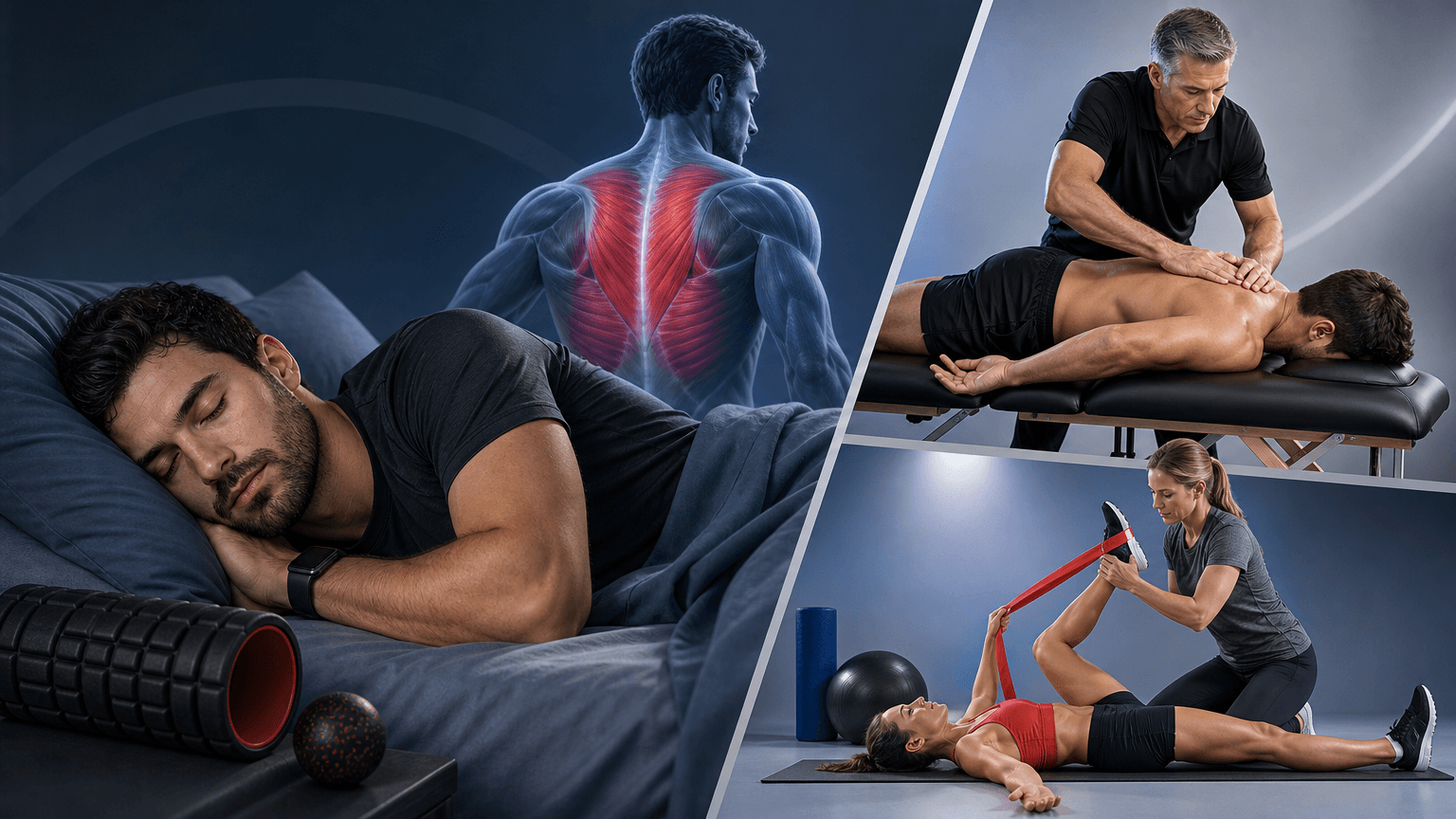
Muscle recovery in athletes is heavily reliant on sufficient sleep, as it plays a significant role in various physiological processes that are crucial for healing and regeneration. During sleep, particularly in the deep stages, the body conducts essential maintenance work necessary for muscle repair after rigorous training sessions or competitions.
One of the primary mechanisms through which sleep aids muscle recovery is through the secretion of growth hormones. During deep sleep, the anterior pituitary gland releases growth hormone, crucial for tissue growth and muscle repair. This hormone accelerates protein synthesis, which is essential for muscle fibers to rebuild after they have been stressed during training. Without adequate deep sleep, athletes may not benefit from the full recovery potential that their bodies require, leading to longer rehabilitation periods and decreasing overall athletic performance.
Furthermore, sleep helps to balance the hormones that regulate appetite and stress, both of which can indirectly affect muscle recovery. For example, sleep deprivation can increase levels of cortisol, a stress hormone that, when elevated, can lead to muscle catabolism—essentially breaking down muscle tissue for energy. By ensuring regular and quality sleep, athletes can maintain a more favorable hormonal balance, supporting muscle maintenance and recovery.
To illustrate the relationship between sleep duration and muscle recovery, a comparative study was performed, examining recovery metrics between athletes who averaged different amounts of sleep.
| Sleep Duration | Muscle Recovery Metrics (as measured by strength gains and soreness levels) |
|---|---|
| Less than 6 hours | Reduced strength gains, increased soreness, longer recovery times |
| 6-7 hours | Moderate strength gains, moderate soreness, typical recovery times |
| 7-8 hours | Optimal strength gains, minimal soreness, faster recovery times |
| More than 8 hours | Enhanced strength gains, minimal soreness, optimal recovery times |
These results highlight that athletes who sleep between 7-8 hours experience the most effective recovery benefits. Those exceeding 8 hours often see even better outcomes, indicating the cumulative benefits of sleep for muscle recovery.
Additionally, the role of sleep in muscle recovery is bolstered by its impact on inflammation. Studies have shown that better sleep quality is associated with lower levels of inflammatory markers, which can hinder recovery. With a reduction in inflammation, athletes are more likely to recover quickly from strenuous workouts and maintain their peak performance levels throughout their training cycles.
In conclusion, sleep is a cornerstone of muscle recovery for athletes. Promoting good sleep hygiene, understanding individual sleep needs, and prioritizing restorative sleep can lead to significant improvements in recovery outcomes and athletic performance. Emphasizing its critical role may help athletes not only in their recovery but also in achieving peak athletic capabilities.
Impact of Sleep Deprivation on Performance
The effects of sleep deprivation can be profound and far-reaching, particularly for athletes who rely on peak performance to achieve their goals. Studies have shown that even short-term sleep deprivation can lead to significant declines in athletic performance, impacting everything from endurance to strength. A lack of adequate sleep can result in decreased reaction times, poorer decision-making abilities, and diminished cognitive function, all of which are critical for athletes during competitions.
Furthermore, sleep deprivation has been linked to an increase in perceived exertion during exercise. This means that athletes may find their workouts more challenging even with the same level of effort, limiting their ability to push through physical barriers. For instance, one study found that athletes who were subjected to sleep restriction reported a significant increase in effort for various physical tasks compared to those who maintained good sleep hygiene. This perceived increase in effort can diminish training quality and hinder progress over time.
In addition to performance metrics, the physiological ramifications of insufficient sleep are alarming. Chronic sleep deprivation can lead to hormonal imbalances, including elevated cortisol levels, which can hinder recovery and lead to increased fat accumulation. Elevated cortisol can inhibit the action of insulin, disrupting metabolic processes essential for energy use and storage, ultimately affecting athletic performance.
Moreover, sleep plays an essential role in the regulation of immune function. Poor sleep quality has been shown to weaken the immune system, making athletes more susceptible to illnesses and extending recovery periods after injuries or illness. It is vital for athletes to understand that prolonged sleep deprivation does not just impact their immediate performance but can have long-term consequences on their overall health and recovery.
- Track sleep patterns: Athletes should use sleep-tracking apps or devices to monitor their sleep duration and quality, helping identify patterns and areas for improvement.
- Educate about sleep needs: Athletes must be made aware that different individuals have varying sleep needs, and they should find what works best for their performance and recovery.
- Prioritize sleep: Ensure that recovery days include opportunities for longer sleep durations to compensate for any previous deficits.
- Minimize disruptions: Create an environment conducive to sleep, reducing noise and light, and keeping a comfortable temperature.
Understanding the *impact of sleep deprivation on performance* is critical for athletes aiming to reach their full potential. By recognizing the importance of sleep and its influence on both physical and mental capabilities, athletes can adopt strategies to prioritize rest in their training regimens, ensuring optimal recovery and performance outcomes.
Sleep Strategies for Athletes
Athletes can implement a variety of strategies to enhance their sleep patterns, thereby improving recovery and overall performance. One foundational approach is optimizing the timing of sleep. Athletes are encouraged to establish a consistent sleep schedule, which can help regulate their body’s internal clock. Going to bed and waking up at the same time every day fortifies the natural sleep-wake cycle, making it easier to fall asleep and wake up feeling refreshed.
“Sleep is like the golden chain that ties health and our bodies together.” — Thomas Dekker
In addition to establishing a routine, athletes should prioritize *sleep hygiene*. This involves creating a bedroom environment conducive to sleep. Ensuring that the sleeping area is dark, cool, and quiet can significantly increase the quality of sleep. Athletes might consider blackout curtains, earplugs, or sleep masks to minimize disruptions. Investing in a quality mattress and pillows that provide adequate support is also vital as comfort directly impacts the ability to achieve deep, restorative sleep.
Nutrition also plays a crucial role in promoting good sleep. Athletes should be mindful of their pre-sleep diet. Consuming a light snack that includes both carbohydrates and protein may aid in the production of sleep-inducing hormones. Foods rich in magnesium, such as nuts and leafy greens, or those high in tryptophan, like turkey and dairy products, can also enhance sleep quality. However, caffeine and heavy meals close to bedtime should be avoided as they can disrupt sleep patterns.
Mindfulness techniques, such as yoga or meditation, can also be incorporated into an athlete’s routine to decrease stress and facilitate relaxation. Engaging in such practices an hour before bedtime can help quiet the mind and prepare the body for sleep. Furthermore, athletes should limit screen time before bed, as the blue light emitted by devices can interfere with melatonin production, making it difficult to fall asleep.
For those who may face difficulty in achieving quality sleep, short naps during the day can serve as additional recovery tools. Power naps of 20 to 30 minutes can recharge the mind without leading to sleep inertia, which can occur after longer naps.
By implementing these strategies, athletes can significantly improve their sleep quality, leading to better recovery outcomes. Enhanced sleep not only restores physical capacity but also positively influences psychological resilience, allowing athletes to push their limits and reach their performance goals more effectively.
Importance of Sleep Environment
Creating an optimal sleep environment is crucial for maximizing recovery and performance in athletes. The conditions in which an athlete sleeps can profoundly affect the quality of their rest, directly influencing physical recovery, mental clarity, and overall athletic performance. A dark, cool, and quiet environment lays the foundation for reaching the deeper stages of sleep, where the body’s recovery processes are most effective.
Lighting plays a significant role; exposure to bright lights—especially blue light from electronic devices— before bedtime can delay sleep onset and reduce melatonin production, leading to fragmented sleep. Athletes should aim to dim lights in the evening and use blackout curtains to block external light, ensuring their sleep space mimics nighttime conditions even in the late hours.
Temperature also has a considerable impact on sleep quality. The optimal sleeping temperature is generally between 60 to 67 degrees Fahrenheit. Maintaining this cooler temperature aids the body’s natural drop in core temperature that typically occurs when falling asleep, facilitating a smoother transition into restful sleep stages. Moreover, high-quality bedding and mattresses that cater to individual comfort preferences can help improve sleep quality and prevent disruptions caused by discomfort.
Noise can be another significant factor that deters restful sleep. Strategies such as white noise machines, soft background music, or earplugs can help mask disruptive sounds, allowing athletes to enjoy uninterrupted slumber. Furthermore, establishing a consistent sleep routine enhances circadian rhythms, signaling the body when it’s time to sleep and wake, promoting physiological and psychological readiness for sleep.
The integration of relaxation techniques into the pre-sleep routine can further enhance the sleep environment. Engaging in calming practices—such as light stretching, meditation, or reading—can help signal to the body that it’s time to wind down, helping athletes transition into sleep more easily.
In a highly competitive world, where every edge counts, athletes must consider their sleep environment as an integral part of their training regimen. By dedicating attention to these elements, the foundation is laid for unparalleled recovery and superior athletic performance.
- How does the sleep environment affect performance?
- A well-optimized sleep environment promotes deeper sleep stages, essential for physical recovery and cognitive function. Poor conditions can lead to disrupted sleep patterns, resulting in decreased performance, longer recovery times, and impaired mental clarity.
- What temperature is best for sleep?
- The optimal sleeping temperature ranges from 60 to 67 degrees Fahrenheit. Maintaining a cooler environment helps the body naturally lower its core temperature, facilitating better sleep quality.
- How can light impact sleep?
- Exposure to light, especially blue light from screens, can inhibit melatonin production, making it harder to fall asleep. Dimming lights in the evening and using blackout curtains can significantly improve sleep quality.
- What role does noise play in sleep quality?
- Noise can disrupt sleep, leading to fragmented rest and prevent athletes from achieving restorative sleep stages. Using white noise machines or earplugs can help create a quieter sleep environment.
- How can I create a relaxing bedtime routine?
- Incorporating calming activities such as light stretching, reading, or meditation into your pre-sleep routine can signal to your body that it’s time to wind down, promoting easier sleep onset.
- Is it important to have a consistent sleep schedule?
- Yes, a consistent sleep schedule helps regulate your body’s internal clock, making it easier to fall asleep and wake up feeling refreshed. Aim to go to bed and wake up at the same time every day, even on weekends.
- What are some ways to make my bed more comfortable?
- Selecting a high-quality mattress and pillows that provide adequate support based on your sleeping position can significantly enhance comfort. Additionally, using breathable bedding and ensuring clean linens can contribute to better sleep hygiene.
Future Directions in Sleep Research for Athletes
Research in the field of sleep and athlete recovery is continually evolving, with promising directions that aim to deepen understanding of how sleep impacts overall performance. One such area is the investigation of individual sleep needs, which can vary widely among athletes. By using advanced technology, sleep studies are increasingly able to tailor recommendations for sleep duration and quality based on specific athlete profiles, ranging from elite professionals to amateur competitors.
Another critical focus is the potential influence of sleep disorders on athletic performance. Conditions such as sleep apnea, insomnia, or restless leg syndrome can severely disrupt sleep architecture and lead to chronic performance deficits. As awareness of these issues increases, more athletes are encouraged to seek evaluation and treatment for sleep disorders, thereby enhancing their recovery protocols and performance outcomes.
Moreover, the integration of sleep monitoring tools presents exciting avenues for future research. Athletes using wearable technology can gather metrics on sleep stages, duration, and quality, providing valuable insights into their recovery patterns. Coaches and sports scientists are beginning to analyze how these metrics correlate with training loads and performance outputs, allowing them to develop tailored recovery strategies that incorporate sleep data effectively.
Furthermore, there’s a growing interest in the role of circadian rhythms concerning sleep and recovery. Studies are assessing how aligning training schedules with an athlete’s natural biological rhythms could enhance performance and recovery. For example, morning workouts may suit some athletes who are naturally early risers, while others might perform better later in the day. Understanding these individual preferences can lead to customized training regimens that maximize both sleep and athletic output.
Environmental factors are also under examination—how different sleep settings, such as elevation or light exposure during training and sleep, can impact recovery. For athletes competing at varied altitudes or in different time zones, strategies to adapt their sleep environments are critical to optimize recovery and performance. Research into these adaptations may pave the way to develop protocols for athletes who are traveling or competing internationally.
Lastly, there’s an increasing recognition of the psychological aspects of sleep and recovery. Stress management techniques that promote psychological well-being—such as mindfulness, relaxation exercises, and cognitive behavioral therapy—are being studied for their effectiveness in enhancing sleep quality. Addressing mental health and stress not only improves sleep but can also facilitate better recovery processes. Athletes can benefit from integrating such techniques into their daily routines, thereby enhancing their athletic performance through improved sleep quality.
The future of sleep research for athletes holds great potential. By focusing on personal sleep needs, addressing sleep disorders, utilizing technology for monitoring, considering circadian rhythms, exploring environmental factors, and integrating psychological strategies, athletes can gain an even deeper understanding of how to optimize sleep as a crucial component of recovery and performance success.
For a personalized session and free consult, Call me: +1 334-300-0389.
Find out how ARPWave Therapy can enhance your performace as an athlete and how you can achieve drug-free pain relief.