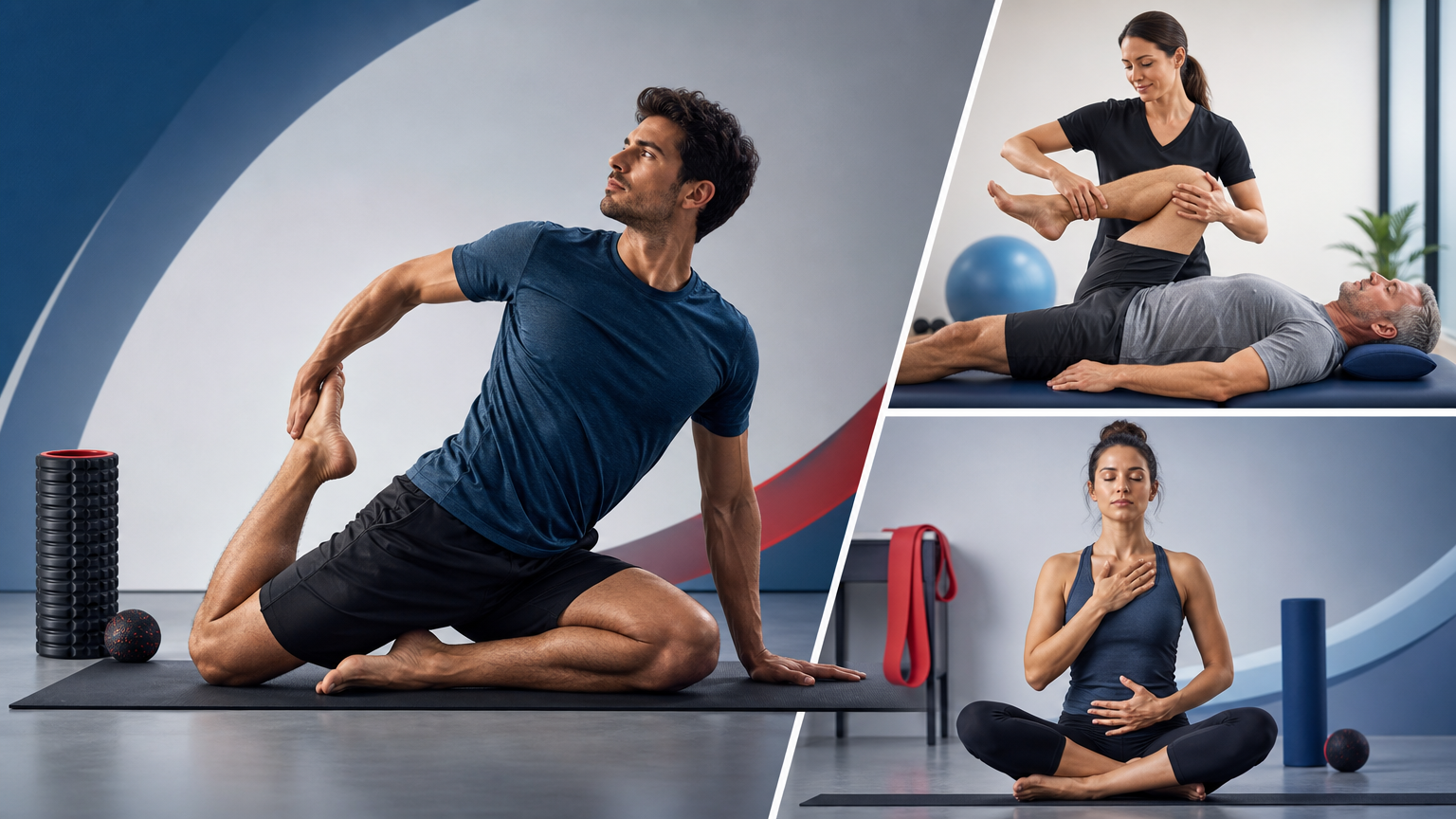


Stretching as a coping mechanism for fibromyalgia
Stretching as a coping mechanism for fibromyalgia

For a personalized session and free consult, Call me: +1 334-300-0389.
Find out how ARPWave Therapy can enhance your performace as an athlete and how you can achieve drug-free pain relief.
- Stretching techniques for fibromyalgia relief
- Benefits of stretching for chronic pain
- Incorporating stretching into daily routines
- Types of stretches beneficial for fibromyalgia
- Precautions and modifications for safe stretching
- Mindfulness and stretching: Enhancing the experience
For individuals managing fibromyalgia, specific stretching techniques can significantly alleviate discomfort and improve mobility. Understanding and applying these techniques can serve as a practical coping mechanism that integrates well into daily routines, promoting both physical and mental well-being.
One effective approach is the use of gentle static stretches, which focus on extending the muscles and holding the position to achieve a lasting effect. Here are some stretching techniques tailored for those with fibromyalgia:
- Neck Rolls: Sit or stand comfortably. Slowly roll your head in a circular motion, allowing your neck to relax. Rotate gently for about 30 seconds in each direction to relieve tension.
- Shoulder Shrugs: Raise your shoulders toward your ears and then drop them down in a fluid motion. Repeat this for 10 cycles to alleviate shoulder stress, which is common among fibromyalgia sufferers.
- Cat-Cow Stretch: This yoga-inspired stretch helps with spinal flexibility. On your hands and knees, alternate arching your back (cat) and dipping it downward (cow) for a minute, allowing for a gentle massage of the spine.
- Seated Hamstring Stretch: While sitting on the floor, extend one leg while keeping the other bent. Reach towards the toes of the extended leg, holding the position for about 15-30 seconds. Switch legs and repeat. This stretch targets the hamstrings and lower back, which may be particularly tense.
- Child’s Pose: Start on your hands and knees, then lower your hips back to your heels, stretching your arms out in front of you. Hold this position for several breaths to promote relaxation and relieve tension in the back.
When performing these stretches, it’s essential to listen to your body. Move slowly and never push through severe pain, as this can exacerbate discomfort. Gradually increasing the duration and intensity of each stretch can lead to better flexibility over time.
Additionally, it can be beneficial to incorporate stretching into relaxation sessions, such as before bedtime or after a stressful day. Consider pairing stretches with deep breathing exercises, as this combination can enhance both the physical and psychological benefits, making it easier to manage fibromyalgia symptoms.
Remember, consistency is key. Aim to incorporate these stretching techniques into your routine several times a week to maximize their effectiveness as a coping mechanism for fibromyalgia. Engaging in gentle, restorative stretching can not only assist in alleviating physical symptoms but also foster a more positive mindset through improved self-care practices.
Benefits of stretching for chronic pain
In addressing chronic pain, stretching serves as a powerful tool that goes beyond mere physical relief. For individuals coping with fibromyalgia, the act of stretching can contribute to multiple aspects of well-being, directly impacting both the body and mind. The physiological benefits are interlinked with emotional support, allowing individuals to navigate the complexities of their condition more effectively.
Stretching helps to increase blood circulation throughout the muscles, which can alleviate stiffness and tension that often exacerbate chronic pain. Enhanced blood flow promotes oxygen delivery to the affected areas, facilitating muscle repair and reducing soreness. Furthermore, regular stretching can improve flexibility, making daily activities easier and less painful. This increase in range of motion can lead to healthier movement patterns that reduce the risk of injury and lessen the severity of flare-ups.
The following table illustrates the key benefits of stretching for chronic pain and how they can apply specifically to individuals with fibromyalgia:
| Benefit | Description | Relevance to Fibromyalgia |
|---|---|---|
| Increased Flexibility | Enhances the range of motion in joints and muscles. | Can reduce stiffness and improve overall mobility. |
| Improved Circulation | Boosts blood flow to muscles, aiding in nutrient delivery and waste removal. | Helps minimize muscle soreness and fatigue. |
| Stress Relief | Reduces tension in the body and promotes relaxation. | Can help decrease anxiety and promote a positive mindset. |
| Pain Management | Can interrupt pain cycles by promoting endorphin release. | May lessen the overall perception of pain and discomfort. |
| Mind-Body Connection | Encourages mindfulness and body awareness. | Fosters enhanced coping strategies for managing fibromyalgia symptoms. |
Incorporating stretching into a regular routine not only supports physical health but also contributes positively to psychological well-being. Engaging in stretching promotes a sense of control over one’s body, which is crucial for those facing chronic conditions like fibromyalgia. This established routine can create stability and predictability in a person’s day, reducing feelings of uncertainty that may accompany the illness.
Moreover, stretching can serve as a moments of self-care, allowing for mindfulness to take center stage. By focusing on breathing and the sensations in one’s body, individuals can cultivate a greater awareness of their state of being, helping to ground themselves amidst the challenges posed by fibromyalgia. This practice of mindfulness enhances the overall experience of stretching, turning it into a nurturing act rather than a mere physical exercise.
To optimize the benefits, it’s important to approach stretching mindfully, paying attention to how the body responds and adjusting as necessary. This intentionality not only boosts the effectiveness of stretching as a coping mechanism but also empowers individuals dealing with fibromyalgia to reclaim their quality of life in the face of adversity.
Incorporating stretching into daily routines
Incorporating stretching into your daily routine can significantly enhance your ability to manage fibromyalgia symptoms. Establishing a consistent stretching regimen is fundamental for reducing tension and discomfort, ultimately serving as an effective coping mechanism. Here are practical steps to seamlessly weave stretching into your day-to-day life:
- Start Your Day with Stretching: Begin each morning with a brief stretching session to wake up your muscles and prepare your body for the day ahead. Even a 5 to 10-minute routine focusing on major muscle groups can help ease stiffness that may have built up overnight.
- Set Reminders: Utilize reminders on your phone or calendar to schedule mini stretching sessions throughout the day. This could be as simple as a gentle neck stretch after sitting at your desk for a prolonged period, ensuring you stay limber and reduce the buildup of tension.
- Integrate Stretching into Current Routines: Incorporate stretches into existing daily activities. For instance, if you need to stand in line or wait for something, take those moments to perform a few standing stretches, like calf raises or shoulder rolls.
- Pair Stretching with Other Activities: Combine stretching with activities you already enjoy. If you practice mindfulness or meditation, consider including light stretches as part of your session to deepen relaxation and enhance the overall experience.
- Create a Relaxation Ritual: End your day with a calming routine that includes stretching. This could involve watching TV or reading while intermittently performing gentle stretches, helping to alleviate any tension from the day.
Making stretching a habit involves consistency and patience. Aim to dedicate specific times in your day to practice, and over time, it will naturally become an integral part of your lifestyle. You might also find it helpful to keep a stretching journal to track your progress and note how different stretches affect your symptoms. Recording this information will enable you to identify what works best for you and adjust your routine accordingly.
Additionally, consider joining a group class focused on gentle stretching or yoga specifically designed for those with fibromyalgia. This social aspect can not only motivate you to maintain your stretching habit but also provide emotional support from others facing similar challenges.
Ultimately, the key is to find stretches that feel comfortable and beneficial for your body. Always listen to your physical cues and modify your approach based on how you feel—this will empower you to maintain a routine that aligns with your personal needs and enhances your ability to cope with fibromyalgia effectively.
Types of stretches beneficial for fibromyalgia
In exploring the types of stretches that are particularly beneficial for individuals with fibromyalgia, it is essential to focus on gentle, restorative movements that promote relaxation and ease muscle tension. Each stretch should be performed carefully, with attention to the body’s signals and limitations. Here are several types of stretches that can offer targeted relief and enhance flexibility:
Dynamic stretches, which involve controlled movements, can be particularly helpful as a warm-up before engaging in more intense physical activity or as a standalone practice. A simple arm swing or leg swing can help loosen up the muscles and joints. These types of stretches allow for a gentle increase in blood flow and prepare the body for larger movements.
Static stretches are equally effective for those dealing with fibromyalgia. These stretches are performed by holding a position for a set amount of time, helping to elongate muscles and improve flexibility. For example, the standing quadriceps stretch can be practiced by holding onto a wall or chair for balance, bringing one heel toward the glutes to target the front of the thigh. Aim to hold this position for 15 to 30 seconds while breathing deeply to enhance relaxation.
Gentle yoga poses can also serve as therapeutic stretches. Poses such as the forward bend or seated butterfly offer calming effects while stretching key muscle groups. These poses encourage both flexibility and mindfulness, creating a holistic approach to managing the physical and emotional challenges associated with fibromyalgia.
In addition, myofascial release techniques can be incorporated to alleviate muscle tightness. Using a foam roller or a massage ball, individuals can gently apply pressure to tense areas of the body, focusing on knots or trigger points. This self-massage technique helps in releasing tightness and improving overall muscle function, complementing traditional stretching.
A particularly beneficial set of stretches comes from incorporating breath work. The combination of deep, intentional breathing with stretches can amplify the soothing effect, allowing individuals with fibromyalgia to connect more deeply with their bodies. For instance, during a side stretch, inhaling as you reach overhead and exhaling as you lean can create a flow that enhances relaxation.
“Mindfulness can help us embrace the inherent movement and rhythm in our bodies, leading to gentler and more compassionate stretching experiences.”
When exploring these types of stretches, it’s crucial to prioritize comfort and avoid pushing the body to its limits. Listening to one’s body and modifying stretches as needed are pivotal aspects of this practice. It is also recommended to consult with a healthcare professional or a physical therapist who can provide personalized suggestions tailored to individual needs and limitations. By integrating these beneficial stretches into a regular routine, individuals coping with fibromyalgia can work towards greater flexibility and reduced discomfort, enhancing their overall quality of life.
Precautions and modifications for safe stretching
 Engaging in stretching requires awareness of your body and an understanding of how to modify techniques to align with your specific needs. Each person’s experience with fibromyalgia can differ significantly, which underscores the importance of tailoring stretching practices to fit individual circumstances. Be mindful of your current state on any given day, as fibromyalgia symptoms can fluctuate unpredictably. Start with gentle stretches, allowing your body to gradually acclimate to movement. Pay careful attention to areas that feel particularly tight or tender, adjusting your routine accordingly.
Consider using props or tools, such as yoga straps or pillows, to enhance your stretching experience without overexertion. These aids can support your body during stretches, enabling deeper relaxation while minimizing discomfort. Additionally, the use of a wall, chair, or other sturdy surfaces can provide stability, ensuring that you remain safe while stretching. Remember, it’s perfectly acceptable to take breaks or skip certain stretches if they provoke discomfort.
Warming up before stretching is another precaution worth noting. A few minutes of light activity, such as walking or gentle arm swings, can help prepare your muscles and joints for deeper stretches. This step is crucial in minimizing the risk of injury and maximizing the benefits of your practice. Importantly, round off your stretching routine with cool-down activities, emphasizing relaxation and mindfulness to conclude your session. This practice can deeply enhance your overall experience, encouraging a connection between mind and body that is vital when coping with fibromyalgia.
Developing a ‘listen to your body’ mindset is an essential element of enhancing your stretching practice. Allow your experiences with fibromyalgia to guide your journey and ensure that every session is a step towards a comfortable relationship with movement. Individualized adaptability is paramount; as you grow more accustomed to the stretches, gradually increase their duration or intensity, marking your progress without rushing the process.
- What should I do if I feel pain while stretching?
- If you experience pain while stretching, stop immediately and assess your body’s response. Pain can be a signal indicating that you are pushing your limits too far; adjust the stretch or consider seeking guidance from a physical therapist.
- How often should I stretch if I have fibromyalgia?
- Aim to stretch several times a week, ideally incorporating it into your daily routine. Consistency is key in building flexibility and alleviating discomfort, so find a schedule that works well for you.
- Are there specific stretches that are best for fibromyalgia?
- Gentle static and dynamic stretches, as well as yoga poses, are often beneficial for individuals with fibromyalgia. Focus on stretches that target tight areas while promoting relaxation.
- Can stretching worsen fibromyalgia symptoms?
- If stretching is performed incorrectly or without proper care, it can exacerbate symptoms. It’s essential to listen to your body and avoid overstretching, especially during flare-ups.
- Is it better to stretch before or after exercising?
- Stretching after exercise is generally favored as part of a cool-down routine. However, gentle dynamic stretches before a workout can help warm up the muscles effectively.
- How can I incorporate mindfulness into my stretching routine?
- Focus on your breath and bodily sensations while stretching. This can enhance relaxation and increase your awareness of your physical state, which is especially important for managing fibromyalgia.
- Should I seek professional help for stretching techniques?
- Consulting with a physical therapist or a qualified instructor can be very beneficial, as they can provide personalized advice tailored to your specific symptoms and needs, ensuring safe practice.
Mindfulness and stretching: Enhancing the experience
Integrating mindfulness into your stretching routine can create a profound connection between your body and mind, enhancing the overall experience of managing fibromyalgia symptoms. By being fully present during your stretching practice, you can cultivate a heightened awareness of your physical state, which is essential for effectively navigating the challenges that fibromyalgia presents.
To begin incorporating mindfulness into your stretching, start by finding a quiet and comfortable space where you can focus without distractions. Whether you are indoors or outdoors, ensure that you feel safe and at ease. Sit or lie down in a position that allows you to breathe freely and maintain comfort throughout your stretches.
As you initiate your stretching routine, concentrate on your breath. Take a few deep inhalations to center yourself, allowing your chest to rise and fall slowly. With each exhale, consciously release any tension you may be holding in your muscles. This connection between breath and movement not only enhances relaxation but also emphasizes the importance of being attuned to your body’s responses.
While performing each stretch, pay attention to how your body feels. Notice any sensations, such as tightness or relief, and observe how these sensations shift with each breath. Consider the following suggestions to enhance your mindful stretching experience:
- Set an Intention: Before you begin stretching, take a moment to set a positive intention for your practice. This could be a simple affirmation such as, “I honor my body and my limits,” which can help focus your mind on self-compassion and understanding.
- Focus on Sensation: As you stretch, bring your attention to the specific areas of your body being engaged. Instead of pushing for a deeper stretch, listen to where your body guides you, acknowledging its limits.
- Embrace the Moment: Allow yourself to let go of external distractions and judgments. Embrace the moment-to-moment experience of stretching and being in your body, focusing on your breath and the sensations that arise.
- Integrate Visualization: Use your imagination to visualize tension melting away with each exhale. Picture your muscles relaxing and your tightness dissipating, which can deepen the relaxation response.
- Close with Reflection: After completing your stretching routine, take a moment to reflect on how your body feels. Acknowledge any changes in tension or discomfort, and appreciate your effort in caring for yourself through mindful practice.
One of the essential components of mindfulness is the acceptance of your current state. On days when pain levels are higher or energy levels lower, adjust your stretches accordingly. Embrace lighter stretches, or consider focusing more on breathing exercises or even engaging in gentle movements rather than traditional stretches. This flexibility in practice reinforces a compassionate approach toward your body.
Moreover, studies have shown that mindfulness practices can not only enhance physical outcomes but also support emotional well-being, which is particularly important for individuals coping with fibromyalgia. Research indicates that integrating mindfulness techniques can reduce perceived pain, lower anxiety levels, and improve overall quality of life (Kabat-Zinn, 1990; Cherkin et al., 2016).
Incorporating mindfulness into your stretching routine transforms it into a nurturing experience, thereby enhancing its effectiveness as a coping mechanism for fibromyalgia. By cultivating a gentle yet intentional approach, you empower yourself to better manage your symptoms while fostering a deeper connection to your body and mind.
For a personalized session and free consult, Call me: +1 334-300-0389.
Find out how ARPWave Therapy can enhance your performace as an athlete and how you can achieve drug-free pain relief.