

Stretching workshops and classes for fibromyalgia
Stretching workshops and classes for fibromyalgia

For a personalized session and free consult, Call me: +1 334-300-0389.
Find out how ARPWave Therapy can enhance your performace as an athlete and how you can achieve drug-free pain relief.
- Benefits of stretching for fibromyalgia
- Types of stretching techniques
- Workshop structure and format
- Class experiences and testimonials
- Finding the right instructor
- Safety considerations and precautions
Stretching is an essential practice for individuals dealing with fibromyalgia, offering a multitude of benefits that can significantly enhance quality of life. Regular stretching can lead to improvements in flexibility, strength, and overall physical function, which are often compromised in fibromyalgia patients. One of the primary benefits of stretching is the alleviation of muscle tension. This tension can exacerbate pain and discomfort, making it imperative for those with fibromyalgia to incorporate stretching into their daily routines.
Moreover, engaging in stretching workshops or classes can foster a supportive environment, allowing individuals to share experiences and coping strategies. This sense of community can be invaluable, helping to combat the isolation that often accompanies chronic pain conditions. Additionally, stretching helps to increase blood flow to the muscles, promoting faster recovery and reducing feelings of fatigue.
Another critical benefit is the enhancement of mental well-being. Regular participation in stretching activities not only helps to release endorphins, which are natural pain relievers, but also aids in reducing anxiety and stress levels. The mindful practice of stretching encourages relaxation and focus, both of which are beneficial for those who may struggle with the psychological aspects of fibromyalgia.
It’s also important to consider that stretching can improve posture and body awareness, two factors that play a significant role in managing fibromyalgia symptoms. By cultivating a better understanding of their bodies, individuals can learn to avoid movements that may trigger pain and discomfort.
To maximize the benefits of stretching, patients should gently ease into their routines, focusing on warm-up exercises before deeper stretching occurs. Incorporating both static and dynamic stretches can be beneficial, allowing for a more comprehensive approach to flexibility. Participants in stretching sessions should also pay attention to their bodies and communicate any discomfort to the instructor to adjust practices accordingly.
The incorporation of regular stretching into the lives of those with fibromyalgia can provide significant benefits, from muscle relaxation to improved mood. This basic yet effective practice not only promotes physical well-being but also contributes to an overall sense of community and support when engaged in workshops or classes.
Types of stretching techniques
There are several types of stretching techniques that can be particularly beneficial for individuals with fibromyalgia, each offering unique advantages that cater to the diverse needs of patients. Understanding these techniques can help participants in stretching workshops and classes better choose the methods that align with their physical and emotional conditions.
One primary type of stretching is static stretching, where a muscle is stretched to its farthest point and held in that position for a period, typically between 15 to 60 seconds. This technique is effective in enhancing flexibility and is ideal for individuals with fibromyalgia who may struggle with muscle tightness. For instance, a static stretch might involve holding a seated hamstring stretch or a standing quadriceps stretch, allowing muscles to relax and elongate gradually.
Another valuable method is dynamic stretching, which involves moving parts of the body through a full range of motion in a controlled manner. This type of stretching can improve overall mobility and is useful as a warm-up before more strenuous activities. Dynamic stretches may include leg swings or arm circles and are designed to engage both the muscles and ligaments, promoting blood flow and reducing stiffness.
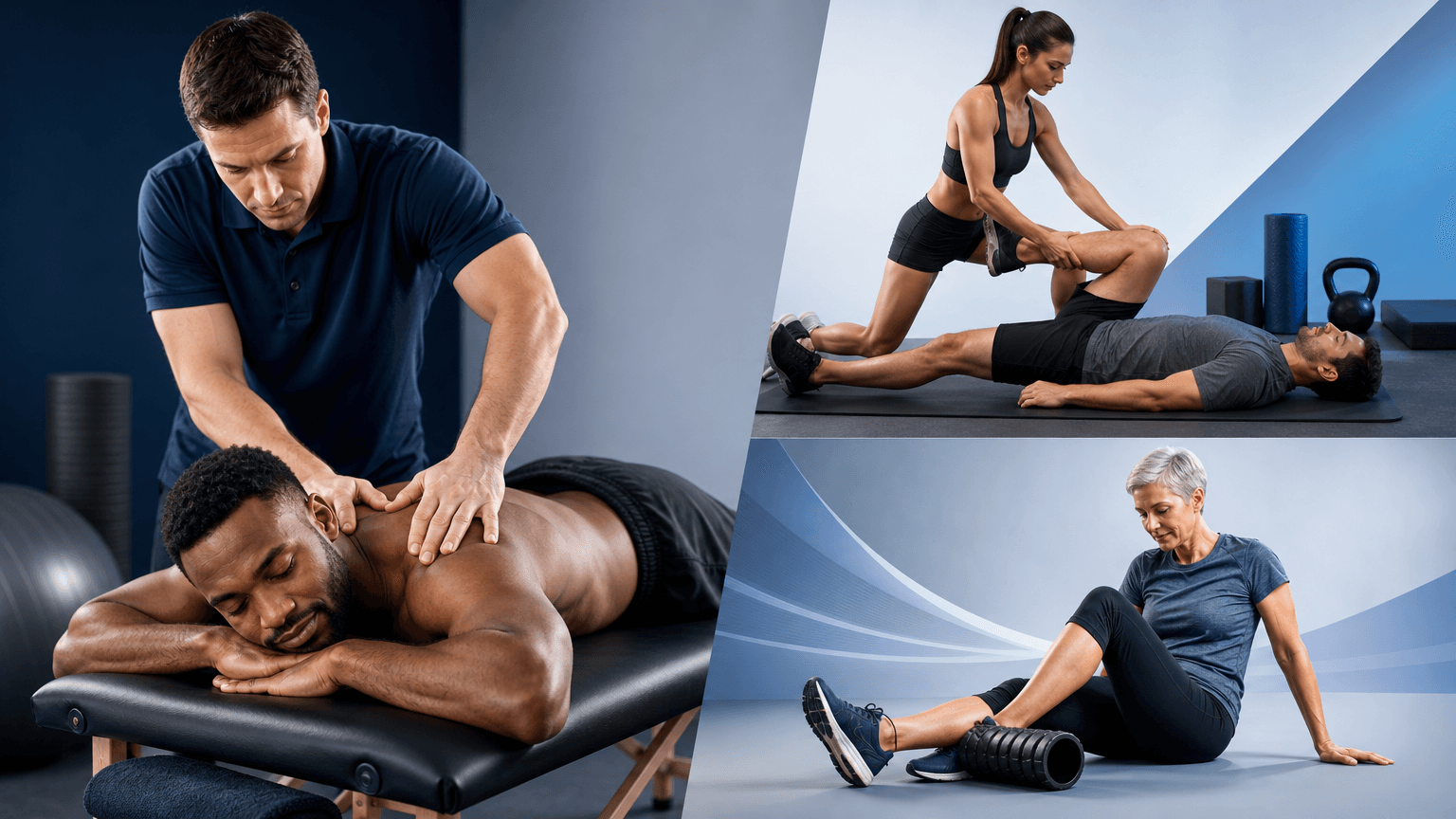
PNF stretching (Proprioceptive Neuromuscular Facilitation) is another effective technique often utilized in rehabilitation settings. This method combines stretching and contracting of the targeted muscle group, providing a deeper stretch and enhancing flexibility. PNF typically requires a partner or an instructor, making it well-suited for a workshop environment where participants can support each other. An example of PNF stretching is the “hold-relax” method, where an individual would push against a resistance while stretching, then relax and stretch further into the motion.
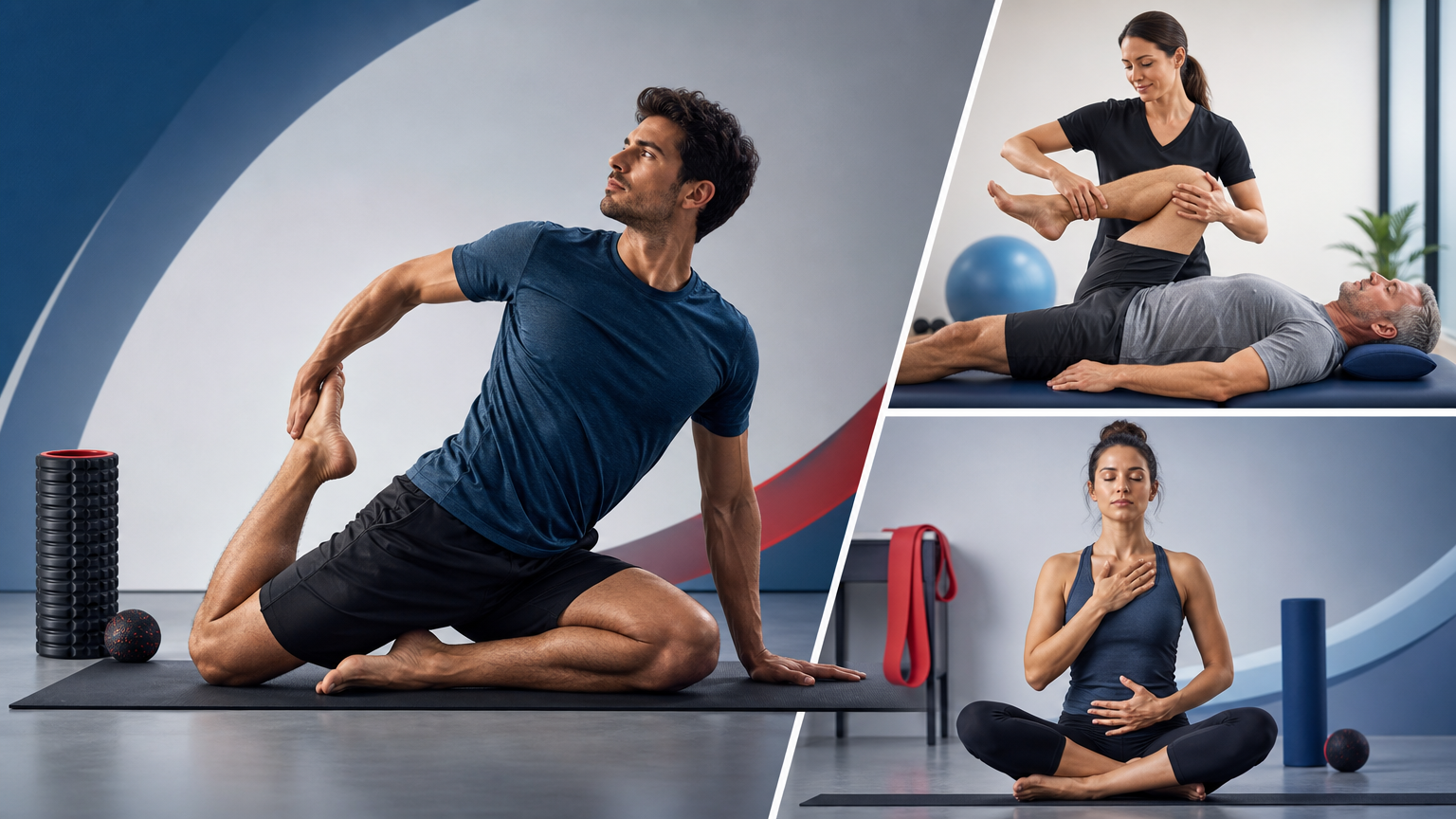
Additionally, myofascial release is a technique that can be beneficial for fibromyalgia patients, focusing on relieving tension in the fascia, the connective tissue that surrounds muscles. Through gentle sustained pressure and stretching, myofascial release can help to alleviate pain and improve movement. Group classes that incorporate this technique often use tools like foam rollers or massage balls to aid in self-release, making it an approachable option for individuals seeking relief from stiffness and discomfort.
Lastly, ballistic stretching, which involves bouncing movements to push the body past its normal range of motion, is generally not recommended for those with fibromyalgia, as it can cause unnecessary strain and lead to injury. Participants in classes should be aware of their body’s limits and choose safer, gentler forms of stretching that accommodate their condition.
The following table summarizes the various types of stretching techniques, highlighting their specific benefits and suitable contexts for use:
| Stretching Technique | Benefits | Best Context |
|---|---|---|
| Static Stretching | Increases flexibility and muscle relaxation | Post-exercise or relaxation sessions |
| Dynamic Stretching | Improves range of motion and prepares muscles | Warm-ups before activity |
| PNF Stretching | Enhances flexibility through muscle contraction | Partnered sessions or workshops |
| Myofascial Release | Alleviates tension in connective tissues | Group classes with tools |
| Ballistic Stretching | May increase risk of injury | Not recommended for fibromyalgia |
Each of these techniques can contribute to a more tailored experience in stretching workshops and classes, allowing individuals to find the approach that resonates best with their abilities and comfort levels. As participants explore these options, they can build a routine that supports their unique journey in managing fibromyalgia symptoms.
Workshop structure and format
The structure and format of stretching workshops designed for individuals with fibromyalgia play a critical role in creating an effective and supportive environment. A typical workshop begins with a welcoming atmosphere where participants can feel comfortable and safe, allowing them to express their needs and limitations. The initial segment often includes a brief introduction to the workshop’s goals and an overview of the stretching techniques that will be utilized.
To accommodate varying levels of flexibility and pain tolerance, workshops are commonly structured in segments that alternate between instruction, practice, and feedback. This format allows attendees to actively engage with the material while receiving direct guidance and encouragement from instructors. Here’s a typical breakdown of a workshop schedule:
- Warm-Up (10-15 minutes): This phase includes gentle mobility exercises to gradually prepare the muscles for deeper stretching. Activities may involve deep breathing exercises and light movement to elevate heart rates comfortably.
- Instruction on Stretching Techniques (15-20 minutes): Instructors introduce participants to the various stretching techniques—static, dynamic, and myofascial release—highlighting the benefits of each method specifically tailored for fibromyalgia.
- Guided Stretching Practice (30-40 minutes): Participants engage in guided stretching, often in a group format. Instructors demonstrate each stretch, encouraging participants to listen to their bodies and modify movements as necessary. This hands-on approach helps to reinforce safe practices.
- Cooldown and Relaxation (10-15 minutes): The workshop concludes with a cooldown segment that focuses on deep breathing and relaxation techniques. This time is critical for integrating the benefits of the stretches into the body and mind, decreasing overall tension.
- Q&A and Sharing Experience (10-15 minutes): After the guided stretching, participants are encouraged to share their experiences and any challenges they faced. This segment helps foster community and allows participants to learn from one another’s journeys.
Another aspect of workshop structuring that is beneficial for those with fibromyalgia is the use of visual aids and demonstration props. Utilizing yoga blocks, straps, or foam rollers can help participants achieve correct alignment and enhance their stretching experience. Instructors should be attentive to each participant’s individual needs, offering modifications and alternatives when necessary to ensure everyone can participate comfortably.
To ensure the best experience, classes are typically kept small, allowing instructors to give ample attention to each participant, which is essential in creating a supportive environment. A ratio of one instructor to every five to ten participants is ideal, ensuring that everyone receives personalized guidance and care. This intimate setting encourages participants to voice their concerns and seek clarification on any techniques they find challenging.
In addition to the structural elements, workshops should also emphasize the psychological aspect of participation. Facilitators often incorporate mindfulness practices, highlighting the importance of mental well-being in managing fibromyalgia symptoms. Encouraging participants to focus on their breath, body alignment, and present moment can deepen their stretching experience and improve mental clarity.
The duration of workshops can vary, with some lasting one hour, while others may extend to several hours with breaks included. Longer sessions allow for more comprehensive coverage of different techniques and provide ample time for participant interaction and personal adjustments. Regardless of the length, it’s crucial that sessions encourage gentle awareness and self-compassion throughout the practice, fostering resilience among participants on their healing journeys.
Class experiences and testimonials
Participants in stretching workshops often share transformative experiences that highlight the positive impacts of these classes on their lives. Many individuals have reported notable reductions in pain levels and an increase in overall mobility following their engagement in these sessions. One participant noted, “Before I started attending the classes, I felt so restricted in my movements. Now I can bend over to pick things up without wincing in pain,” illustrating the profound relief that stretching can provide.
Another common sentiment among attendees is the sense of community found within these workshops. Many have expressed that sharing their struggles in a supportive environment has helped alleviate feelings of isolation associated with fibromyalgia. For instance, a participant shared, “Meeting others who understand what I’m going through has made a world of difference. We encourage each other, and that support is priceless.” This shared experience can foster deep connections, often leading to lasting friendships beyond the classes.
Moreover, instructors frequently receive praise for their empathetic approach, which is crucial for participants who may feel vulnerable due to their condition. One individual mentioned, “Our instructor creates a safe space for us to explore our limits without judgment. She encourages us to listen to our bodies, which is empowering.” This kind of compassionate guidance helps build participants’ confidence and encourages them to embrace their unique journeys towards managing fibromyalgia symptoms.
Testimonials also reveal that regular attendance in stretching classes can serve as an essential tool for developing a consistent self-care routine. Many participants have remarked on how the workshops have motivated them to incorporate stretching into their daily lives. A participant stated, “I learned techniques that I now do at home. It’s amazing to see how just a few minutes of stretching a day can help reduce my flare-ups.”
Finally, the feedback regarding the structure of these classes speaks volumes. Attendees appreciate the balance between instruction, practice, and relaxation, as it ensures they feel well-guided yet not overwhelmed. One individual shared their experience, saying, “I love that we have time to ask questions and share our feelings at the end. It feels like a safe space to open up, and it makes the physical practice even more meaningful.”
These testimonials collectively reinforce the value of stretching workshops and classes for those with fibromyalgia, underscoring the emotional, physical, and social benefits that can be realized through consistent participation and a supportive community.
“Our instructor creates a safe space for us to explore our limits without judgment. She encourages us to listen to our bodies, which is empowering.”
Finding the right instructor
 Finding the right instructor is a pivotal step in ensuring a positive and effective experience in stretching workshops tailored for individuals with fibromyalgia. The instructor’s training and approach can significantly impact participants’ comfort and receptiveness to the techniques taught. Therefore, seeking out those who have specialized knowledge of fibromyalgia and its unique challenges is essential.
A qualified instructor should have a background in therapeutic exercise, physical therapy, or a related field, complemented by specific training in fibromyalgia management. This expertise enables them to understand the nuanced needs of participants, including the range of symptoms that may affect mobility and stamina. Ideally, an instructor will also possess a compassionate demeanor, fostering a nurturing and supportive atmosphere where individuals feel safe expressing their limitations.
Moreover, communication is critical in the instructor-student dynamic. An effective instructor will encourage open dialogue, allowing students to voice concerns or report discomfort during sessions. This communication not only enhances safety and personalization of instruction but also cultivates a sense of trust that is crucial for those with fibromyalgia, who may often feel uncertain about their bodies and capabilities.
Potential participants should take the time to research local experts, looking for reviews or testimonials from previous students. It’s beneficial to attend an introductory session if possible, where individuals can gauge the instructor’s teaching style and approach to stretching classes. Instructors who actively demonstrate modifications for various fitness levels show adaptability that can greatly benefit fibromyalgia patients, who may experience fluctuating levels of pain and energy.
Additionally, an ideal instructor will be knowledgeable about the various stretching techniques suitable for fibromyalgia and able to explain their benefits in a clear, encouraging manner. This can empower students to take ownership of their practice by helping them understand the purpose behind each movement, thus enhancing their overall engagement in the class. As students familiarize themselves with these techniques, they can explore their physical capabilities while feeling validated and supported.
In essence, the quest for a suitable instructor extends beyond simply finding someone to lead stretching workshops; it involves finding a compassionate advocate who understands the journey of managing fibromyalgia and can facilitate a positive and transformative experience. With the right guidance, participants can fully embrace stretching as an integral part of their self-care regimen, leading to improved mobility, reduced pain, and a sense of community.
- How do I find a certified instructor for stretching workshops suitable for fibromyalgia?
- Look for instructors with certifications in therapeutic exercise or physical therapy, alongside specific training in fibromyalgia management. Online reviews, community recommendations, and introductory sessions can help identify qualified professionals.
- What should I expect from a stretching class for fibromyalgia?
- You can expect a supportive environment that accommodates varying levels of flexibility and pain tolerance. Classes typically include warm-ups, guided stretching, and relaxation techniques, all tailored to enhance comfort and safety.
- Can I participate in stretching workshops if I have severe fibromyalgia symptoms?
- It’s essential to consult with your healthcare provider before participating in any workshops. Many classes are designed to accommodate individuals with varying symptom levels, and instructors can often modify stretches for your comfort.
- Are there specific stretching techniques recommended for fibromyalgia?
- Static stretching and myofascial release are often recommended, as they promote flexibility and reduce tension without straining the body. Instructors should emphasize these methods to ensure safe practice for participants.
- How often should I attend stretching classes for them to be effective?
- Regular attendance can enhance benefits; ideally, aiming for at least one to two classes per week can help build a routine and reinforce the skills needed to manage fibromyalgia symptoms more effectively.
- Will stretching workshops help me manage my pain?
- Many individuals report reductions in pain levels and improved mobility through consistent stretching practice. Participating in structured classes can also foster a sense of community that provides emotional support.
- What materials should I bring to a stretching class?
- It’s advisable to bring a yoga mat for comfort, water for hydration, and any personal support tools like straps or blocks if required. Instructors often provide necessary props, so check in advance.
Safety considerations and precautions
When engaging in stretching workshops and classes specifically designed for individuals with fibromyalgia, safety considerations and precautions are paramount to ensure a positive experience and prevent injury. It is essential for participants to listen attentively to their bodies, recognizing that fibromyalgia symptoms can vary substantially from day to day. Therefore, understanding one’s limits is crucial.
Prior to beginning any stretching session, participants should consult with their healthcare provider, especially if they have significant pain or other comorbidities. Obtaining medical advice can help tailor the experience to individuals’ specific needs and ensure that stretching won’t exacerbate existing symptoms.
During workshops, warm-up exercises are vital. A proper warm-up increases blood flow to the muscles and prepares them for stretching. Dynamic movements, such as gentle arm circles or leg swings, can effectively raise the heart rate without inducing strain. Instructors should emphasize this warm-up phase to enhance safety and comfort for all participants.
While participating in classes, individuals should focus on gradual stretching. Engaging in static stretches should involve slowly easing into each position and holding it gently for 15 to 30 seconds, rather than pushing to the point of pain. Participants should be encouraged to communicate openly with their instructor about any discomfort or pain during exercises. This feedback allows for timely modifications to prevent injury and ensure that everyone is practicing safely.
- Use Proper Technique: Instructors should stress the importance of maintaining proper form during stretches to avoid unnecessary strain. Participants can benefit from visual demonstrations and careful explanations of each movement.
- Stay Hydrated: It is critical to stay hydrated before, during, and after the workshop. Dehydration can contribute to muscle cramps and fatigue, making stretching less effective.
- Modify as Needed: Individuals may require adaptations for various stretches based on their unique pain tolerance and flexibility levels. Participants should not hesitate to ask for alternative poses that are more accommodating.
- Rest Periods: Incorporating regular breaks within the session allows participants to rest and reassess their energy levels. These breaks can provide essential moments for relaxation and recovery during the class.
- Appropriate Attire: Wearing comfortable, flexible clothing is advisable to prevent restriction during movement. Additionally, using a yoga mat or soft surface can enhance comfort while stretching.
Furthermore, instructors leading stretching workshops should consider incorporating mindfulness and breathing techniques. Focusing on breathwork can aid relaxation and help participants center themselves, making it easier to control their movements and remain aware of their body’s responses. Integrating mindfulness practices into the sessions promotes a comprehensive approach to managing both physical and emotional aspects of fibromyalgia.
Ensuring a safe environment in stretching classes is essential for all participants. By maintaining open lines of communication, emphasizing proper technique, and encouraging self-awareness and adjustment of practices, both instructors and participants can create a space that nurtures healing and growth while addressing fibromyalgia needs effectively.
For a personalized session and free consult, Call me: +1 334-300-0389.
Find out how ARPWave Therapy can enhance your performace as an athlete and how you can achieve drug-free pain relief.