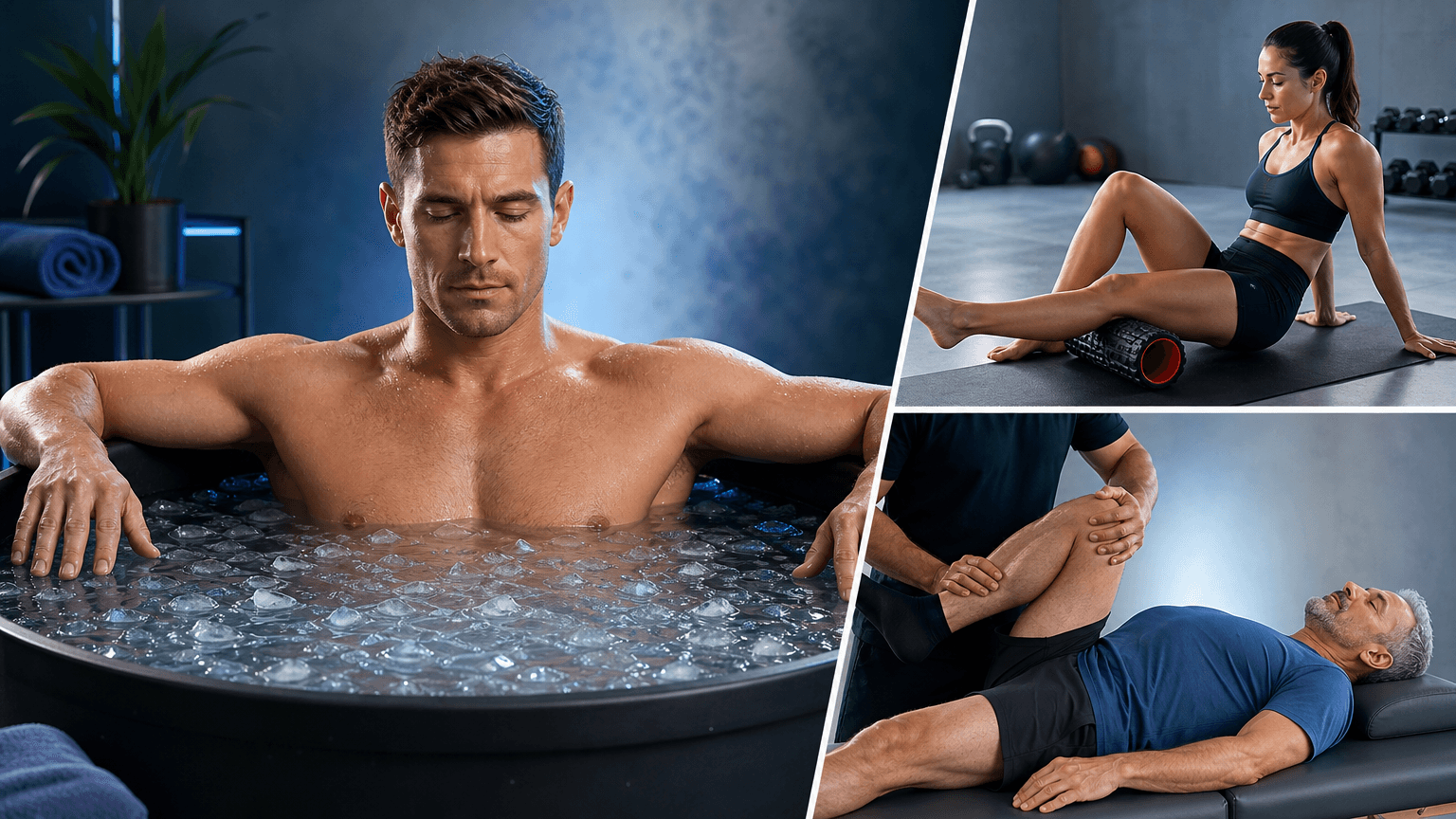


Top 10 recovery techniques for optimal performance
Top 10 recovery techniques for optimal performance
For a personalized session and free consult, Call me: +1 334-300-0389.
Find out how ARPWave Therapy can enhance your performace as an athlete and how you can achieve drug-free pain relief.
- Effective Recovery Strategies
- Importance of Hydration
- Role of Nutrition in Recovery
- Techniques for Active Recovery
- Advancements in Recovery Technology
- Mental Recovery Practices
When it comes to enhancing performance and ensuring that athletes can train consistently without injury, implementing effective recovery strategies is crucial. A comprehensive recovery plan not only helps in reducing muscle soreness but also enables athletes to reach their full potential during training sessions and competitions.
One of the most beneficial recovery techniques is sports massage. Regular sessions can alleviate tension in the muscles, promote circulation, and accelerate the healing process. Athletes seeking pain relief will find that a targeted massage focusing on specific muscle groups can make a significant difference in comfort and performance. It’s ideal to schedule these massages after intense training or competitions for maximum benefit.
Another important recovery approach is embracing rest and sleep. Quality sleep is essential as it plays a vital role in muscle repair and overall recovery. Athletes should aim for 7-9 hours of uninterrupted sleep per night and consider establishing a consistent sleep schedule. Incorporating relaxing pre-sleep routines, such as reading or practicing mindfulness, can significantly enhance the quality of rest.
Stretching and flexibility exercises should also not be overlooked. Implementing a routine that includes both static and dynamic stretches can help maintain muscle elasticity, thus preventing injuries. A post-workout cool-down routine with gentle stretches can alleviate stiffness and enhance recovery, paving the way for optimal performance in the next training session.
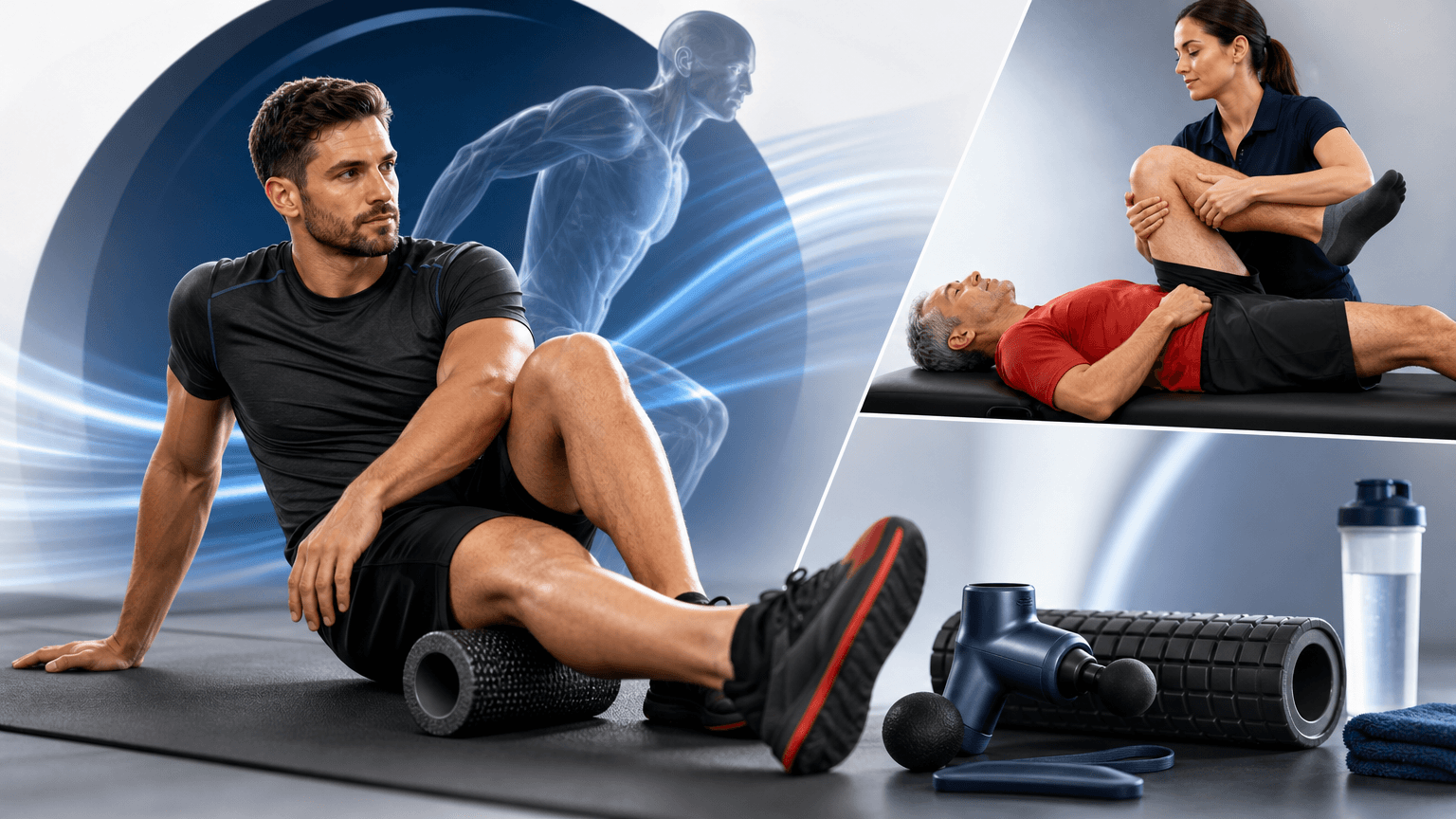
Foam rolling is another highly effective recovery technique. It helps release muscle tightness and improved circulation throughout the body. Athletes, especially those involved in high-impact sports, can incorporate foam rolling into their recovery regimen to target knots and tight areas, facilitating quicker recovery.
Athletes should also consider incorporating active recovery days into their training schedule. Low-intensity activities like walking, swimming, or cycling on off days not only promote blood flow but also prevent burnout. This combination of active rest allows athletes to stay engaged while minimizing the risk of injuries associated with overtraining.
Lastly, utilizing compression garments post-training can also bolster recovery. Compression wear can enhance blood circulation and reduce muscle soreness, making it a valuable addition to any athlete’s toolkit. Athletes should choose garments that fit snugly without restricting movement, ensuring they can wear them comfortably during and after workouts.
Importance of Hydration
Staying properly hydrated is essential for athletes, as even mild dehydration can negatively impact performance, recovery, and overall health. Water is a key component for maintaining physiological functions, regulating body temperature, and lubricating joints. During exercise, athletes lose fluids through sweat and respiration, making it crucial to replenish those lost fluids to ensure optimal performance and recovery.
To understand the impact of hydration on performance, consider the following comparison of hydration levels and their effects on athletic capabilities:
| Hydration Level | Effects on Performance | Recommended Action |
|---|---|---|
| Well-hydrated (0-1% body weight loss) | Optimal performance, enhanced endurance, better focus | Continue regular hydration during training and competition |
| Moderately dehydrated (1-3% body weight loss) | Increased fatigue, decreased coordination, reduced strength | Implement hydration strategies, consider electrolyte-enhanced fluids |
| Severely dehydrated (3-5% body weight loss) | Significant decline in performance, risk of heat-related illnesses, decreased mental acuity | Seek rehydration immediately, adjust training intensity |
Athletes should adopt a structured approach to their hydration protocols. This includes drinking fluids consistently throughout the day and ensuring intake before, during, and after workouts. A general guideline recommends consuming about 17-20 ounces of water 2-3 hours prior to exercise, followed by 8 ounces 20-30 minutes before working out. During exercise, it is advisable to drink 7-10 ounces every 10-20 minutes, especially in hot and humid conditions where sweat loss is more significant.
Moreover, hydration needs can vary significantly based on factors such as body size, exercise intensity, and environmental conditions. For longer durations of exercise, particularly those exceeding one hour, athletes may benefit from sports drinks that contain carbohydrates and electrolytes to replace lost supplies and maintain energy levels.
It’s also essential for athletes to monitor their hydration status and adjust their fluid intake accordingly. Methods such as tracking body weight before and after workouts, checking the color of urine, or using specialized hydration monitoring devices can help ensure appropriate hydration levels are maintained for optimal performance and recovery.
In summary, establishing effective hydration strategies is a crucial aspect of recovery techniques for athletes looking to maintain peak performance. By prioritizing hydration before, during, and after activities, athletes can enhance their physical capabilities and promote quicker recovery, ultimately paving the way for sustained success in their sport.
Role of Nutrition in Recovery
Nutrition plays a pivotal role in the recovery journey for athletes, serving as the foundation for optimal performance. After rigorous training sessions or competitions, the body craves nutrients to repair muscle tissue, replenish glycogen stores, and combat inflammation. Adequate nutrition is essential not just for recovery but for enhancing overall athletic performance.
First and foremost, the timing of nutrient intake is critical. Consuming the right balance of macronutrients shortly after exercise can significantly affect recovery. A combination of proteins and carbohydrates consumed within 30 minutes to two hours post-workout is ideal. The recommended ratio is approximately 3:1 or 4:1 carbohydrates to protein. This allows for effective replenishment of glycogen stores and muscle repair. Foods such as chocolate milk, protein shakes with fruit, or a turkey sandwich on whole-grain bread are excellent post-exercise options.
In terms of macronutrients, protein is vital for muscle repair and growth. Athletes should aim for 1.2 to 2.0 grams of protein per kilogram of body weight each day, depending on their level of activity and specific goals. Quality protein sources include:
- Lean meats (chicken, turkey, beef)
- Fish (salmon, tuna)
- Dairy products (Greek yogurt, cottage cheese)
- Plant-based proteins (lentils, beans, quinoa)
- Protein supplements (whey, casein, plant-based options)
Carbohydrates are equally important, as they provide the necessary energy for both performance and recovery. Whole grains, fruits, and vegetables should be staples in an athlete’s diet. These foods supply important vitamins, minerals, and antioxidants that aid in reducing inflammation and oxidative stress, both of which are crucial for recovery. Examples include:
- Brown rice and quinoa
- Oats and whole grain bread
- Fruits like bananas, berries, and oranges
- Leafy greens such as spinach and kale
In addition to macronutrients, micronutrients must not be overlooked. Vitamins and minerals like Vitamin D, Calcium, Magnesium, and Zinc play significant roles in muscle contraction, energy production, and immune function. Athletes should ensure a varied diet that includes a colorful array of fruits and vegetables to cover their micronutrient needs. Special attention should be given to Vitamin C and E rich foods for their antioxidant properties, which help combat exercise-induced muscle damage.
Hydration complements nutrition and is crucial for recovery. Consuming fluids infused with electrolytes can help restore sodium and potassium lost through sweat. Coconut water, sports drinks, or electrolyte tablets can be beneficial in replenishing these important minerals, particularly after intense workouts.
Finally, it is essential for athletes to listen to their bodies and tailor their nutritional intake to suit their specific needs and training regimens. Keeping a food diary can help make necessary adjustments and ensure the right balance of nutrients is consumed. Engaging a sports dietitian can also provide professional insight and personalized nutrition plans that optimize recovery techniques.
Incorporating these nutritional strategies not only enhances recovery but ultimately contributes to sustained optimal performance, allowing athletes to maximize their training outcomes and excel in their respective sports.
Techniques for Active Recovery
Engaging in active recovery techniques is a fundamental aspect of an athlete’s training regimen, designed to facilitate faster muscle recovery while keeping the body engaged. These approaches effectively bridge the gap between intense training sessions, promoting enhanced mobility and reducing the likelihood of injuries.
One effective method of active recovery is light aerobic exercise. Activities such as jogging, cycling, or swimming at a low intensity help to increase blood circulation without imposing further stress on tired muscles. By stimulating blood flow, athletes can enhance the delivery of oxygen and nutrients necessary for muscle repair and recovery. Aim for 20-30 minutes of light activity, ideally on the day following a particularly heavy workout or competition.
In addition to aerobic exercise, incorporating flexibility workouts into an athlete’s recovery routine can yield significant benefits. Yoga and Pilates, for instance, focus on gentle movements and stretching, which can help alleviate muscle tightness while enhancing core stability and balance. These practices not only promote recovery by improving flexibility but may also contribute to improved mental well-being and focus, fostering a sense of relaxation amidst rigorous training schedules.
Another beneficial active recovery technique is engaging in mobility drills and dynamic stretching sessions. These movements can aid in maintaining joint health, preventing stiffness, and preparing the body for upcoming workouts. Incorporate movements that target major muscle groups, such as leg swings, arm circles, and hip openers, allowing for a full range of motion.
“The greatest glory in living lies not in never falling, but in rising every time we fall.” – Nelson Mandela
Additionally, group activities such as recreational sports or team-based exercises can also facilitate active recovery. Playing a casual game of basketball or soccer with friends can keep the experience enjoyable while still promoting movement and engagement. Moving in a social setting can lift spirits, provide emotional rejuvenation, and contribute positively to mental recovery, which is vital for overall athletic performance.
Hydration should be maintained during active recovery sessions as well. Water helps in regulating body temperature and facilitates digestion, crucial during light physical activities. Electrolyte drinks can also be beneficial, especially after engaging in activities that lead to sweat loss. Staying hydrated contributes to quicker recovery times and helps to prevent cramping or fatigue.
Ultimately, actively engaging muscles through various low-impact recovery techniques can significantly enhance an athlete’s overall recovery regimen. Whether through light aerobic exercise, stretching, mobility drills, or participation in group activities, these methods promote continued engagement and physical wellness while preparing the body for the next phase of intensive training. By integrating these techniques into a balanced recovery plan, athletes can maintain optimal performance and sustain their competitive edge over time.
Advancements in Recovery Technology
The integration of innovative recovery technology into the athlete’s regimen has revolutionized how recovery techniques are approached. Advanced modalities such as cryotherapy, infrared therapy, and pneumatic compression are now mainstream, allowing athletes to significantly enhance their recovery experience. These technologies not only promote muscle repair and reduce inflammation but also improve overall performance capabilities, providing athletes with a competitive edge.
Cryotherapy has gained popularity for its ability to reduce inflammation and alleviate muscle soreness. By exposing the body to extremely cold temperatures for short periods, athletes can experience a decrease in swelling and pain. This method speeds up the recovery process by constricting blood vessels and decreasing metabolic activity, followed by a rapid return to normal temperature that stimulates circulation and promotes healing.
Another cutting-edge technology is infrared therapy, which uses infrared light to penetrate deep into the tissues, facilitating muscle recovery. The heat generated helps improve blood flow and expands blood vessels, allowing for increased oxygen and nutrient delivery to muscles, thereby assisting in tissue repair. This technique has shown promising results in reducing recovery times for athletes engaging in strenuous physical activity.
Pneumatic compression devices, which administer intermittent compression to the limbs, are also transforming recovery protocols. By applying pressure to muscles, these devices enhance venous return and lymphatic drainage, aiding in the removal of metabolic waste and speeding up the recovery of sore muscles. Many athletes have incorporated this technique into their post-training routines, often using it immediately after intense sessions to minimize muscle stiffness and soreness.
Additionally, wearable technologies, such as heart rate monitors and recovery tracking apps, provide personalized data that can enhance an athlete’s recovery strategy. By monitoring physiological metrics, athletes can make informed decisions about when to rest or intensify their training. This feedback loop empowers athletes to fine-tune their recovery plans, ensuring they are always working towards optimal performance without risking overtraining.
As the technology in sports recovery continues to advance, the possibilities for athletes expand. Leveraging these tools can lead to improved overall health, enhanced physical capabilities, and sustained excellence in their sport. Engaging with these new inventions not only complements traditional recovery practices but also makes the journey of athletes toward peak performance more dynamic and effective.
- What is cryotherapy and how does it help athletes recover?
- Cryotherapy involves exposing the body to cold temperatures to reduce inflammation and muscle soreness. Athletes use it to decrease recovery time and alleviate pain after intense workouts.
- How does infrared therapy facilitate recovery?
- Infrared therapy uses light to penetrate tissues, visibly improving blood circulation and promoting tissue repair. This technology helps athletes recover quickly by reducing muscle tension and pain.
- What are pneumatic compression devices?
- Pneumatic compression devices apply intermittent pressure to limbs, enhancing blood flow and lymphatic drainage. These devices help athletes reduce soreness and speed up recovery post-exercise.
- Can wearable technology improve recovery?
- Yes, wearable technology can monitor various physiological metrics during training, allowing athletes to track their recovery progress. This helps them make informed decisions about training intensity and rest periods.
- Are recovery technologies suitable for all athletes?
- Recovery technologies are generally suitable for athletes of all levels, but it’s important to consult with a coach or medical professional to determine the best options for individual needs and wellness.
- How often should athletes incorporate these technologies into their routines?
- The frequency of using recovery technologies can vary based on training intensity and personal needs. Athletes should listen to their bodies and consider using these methods after high-intensity training sessions.
- What is the importance of combining traditional recovery techniques with technology?
- Combining traditional recovery techniques with advanced technology can provide a more comprehensive approach to recovery, maximizing muscle repair and enhancing overall performance capabilities for athletes.
Mental Recovery Practices
Mental recovery practices are essential for athletes, as they play a significant role in overall performance and well-being. Just as physical recovery techniques help heal the body, nurturing mental health can enhance focus, resilience, and motivation—qualities crucial for optimal performance in sports.
One fundamental aspect of mental recovery is mindfulness and meditation. These practices encourage athletes to concentrate on the present moment, helping reduce anxiety and improve concentration during training and competition. Spending just a few minutes each day engaged in mindfulness exercises, such as deep breathing or body scanning, can improve mental clarity and decrease stress levels. Athletes may find guided meditation apps particularly beneficial, as they provide structured sessions tailored to fitness enthusiasts.
Another effective strategy is visualization. Athletes can enhance their mental preparedness by vividly imagining their performance, from successful completion of a race to perfect execution of a skill. This mental rehearsal not only boosts confidence but can also reinforce muscle memory, making it an invaluable tool during practice sessions. Allocating time for visualization before competitions can prepare the mind and body for peak performance.
Setting realistic goals is crucial for maintaining motivation and focus. Athletes should create a plan that outlines both short-term and long-term objectives, ensuring these goals are specific, measurable, attainable, relevant, and time-bound (SMART). Regularly assessing progress toward these goals can foster a sense of achievement, reducing anxiety and building confidence along the recovery journey.
Building a strong support network is another vital element of mental recovery. Athletes can benefit from surrounding themselves with coaches, teammates, friends, and family who understand their aspirations and challenges. Engaging in open communication and sharing experiences can create an environment that nurtures emotional well-being, making it easier to navigate the highs and lows of athletic performance.
Additionally, incorporating rest days focused on relaxation techniques can aid mental recovery. Such practices may include gentle yoga, tai chi, or simple unwinding activities like reading or spending time in nature. These respite days allow the mind to recharge while preventing burnout, enabling athletes to return to training clearer and more focused.
Lastly, maintaining a healthy work-life balance is crucial for athletes. Challenging their limits in sports while also ensuring time for personal life, hobbies, and social interactions can contribute immensely to their overall mental health. Establishing boundaries between training and personal time helps athletes recharge mentally, reducing stress and improving emotional resilience.
One cannot underestimate the impact of mental recovery practices on optimal performance. By integrating mindfulness, visualization, realistic goal-setting, supportive relationships, relaxation techniques, and a balance between work and personal life, athletes can cultivate a robust mental framework that complements their physical training and recovery techniques, ultimately steering them toward success in their competitive pursuits.
For a personalized session and free consult, Call me: +1 334-300-0389.
Find out how ARPWave Therapy can enhance your performace as an athlete and how you can achieve drug-free pain relief.