

Best recovery strategies for athletes
Best recovery strategies for athletes

For a personalized session and free consult, Call me: +1 334-300-0389.
Find out how ARPWave Therapy can enhance your performace as an athlete and how you can achieve drug-free pain relief.
- Best recovery strategies for athletes
- Understanding Recovery: Importance and Benefits
- Nutrition: Fueling Recovery Effectively
- Hydration: Replenishing Fluids and Electrolytes
- Sleep: The Cornerstone of Athletic Recovery
- Active Recovery: Techniques and Practices
- Recovery Technologies: Innovations in Athlete Rehabilitation
Recovery is a multifaceted process essential for athletes
. Several effective strategies can be integrated into a regular routine to enhance recovery.
One of the most important recovery strategies involves massage therapy. This technique helps to reduce muscle tension, improve circulation, and promote relaxation. Whether it’s a deep tissue massage targeting specific muscle groups or a soothing Swedish massage, incorporating regular sessions can significantly aid recovery and help alleviate pain.
Complementing massage therapy with foam rolling is also beneficial. Using a foam roller can help release tight muscles, improve flexibility, and enhance blood flow. Aim to spend around 10-15 minutes focusing on major muscle groups, particularly areas associated with discomfort or soreness.
Incorporating dynamic stretching post-workout enhances muscle recovery as it aids in maintaining flexibility. Simple exercises like leg swings or arm circles can be very effective in restoring range of motion and preventing stiffness.
Additionally, breathing exercises play a crucial role in recovery. Practicing deep, controlled breathing techniques helps to lower heart rate and stress levels, facilitating a quicker transition to the recovery state. This can be especially beneficial post-exercise or during periods of high tension.
In terms of active recovery, low-intensity workouts such as walking, cycling, or swimming can keep the body moving without overexertion. These activities promote blood circulation and nutrient delivery to muscles while simultaneously preventing burnout.
Lastly, the importance of incorporating post-exercise nutrition cannot be overstated. Consuming a balanced meal or snack rich in proteins and carbohydrates shortly after intense training can significantly enhance muscle recovery. This is crucial for replenishing glycogen stores and repairing muscle damage.
By implementing these strategies into their routine, athletes can improve their recovery process, ultimately leading to enhanced performance and a reduced risk of injury.
Understanding Recovery: Importance and Benefits
Understanding the intricacies of recovery is paramount for athletes striving for peak performance. Recovery is not just about rest; it encompasses a range of physiological and psychological processes that allow the body to repair, rebuild, and strengthen after the stress of training and competition. Effective recovery strategies provide essential benefits that contribute to an athlete’s overall health, performance, and longevity in their sport.
A primary benefit of proper recovery is the reduction of muscle soreness and fatigue. After intense workouts, micro-tears occur in muscle fibers, leading to delayed onset muscle soreness (DOMS). Implementing recovery methods such as active recovery, stretching, and nutrition can alleviate these symptoms, allowing athletes to train consistently and avoid injuries.
Recovery also plays a critical role in promoting mental well-being. Intense training and competition can lead to psychological stress and burnout. Adequate recovery time supports mental clarity, improving focus and motivation. Activities such as mindfulness meditation or light yoga can enhance relaxation and reduce anxiety, providing a significant edge in performance.
In terms of physical health, recovery aids in the prevention of overtraining syndrome, a condition that results from excessive training without adequate recovery. Symptoms may include fatigue, decreased performance, and an increased risk of injuries. By recognizing the importance of recovery, athletes can maintain a balanced training load and enhance their overall resilience.
The following table summarizes the key benefits of recovery for athletes:
| Benefit | Description |
|---|---|
| Muscle Repair | Facilitates healing of micro-tears in muscle fibers, reducing soreness and accelerating recovery time. |
| Mental Clarity | Reduces stress and anxiety, enhancing focus and motivation for subsequent training sessions. |
| Injury Prevention | Decreases the likelihood of injuries by ensuring the body is adequately prepared for future training and competition. |
| Performance Consistency | Maintains optimal performance levels by allowing full recovery between training sessions, preventing fatigue accumulation. |
Moreover, the integration of technology in recovery practices offers innovative approaches to enhance these benefits. Wearable devices can track physiological data, providing insights on recovery status, while recovery technologies such as cryotherapy and compression garments can accelerate healing and facilitate faster recovery times.
In conclusion, understanding and implementing recovery strategies is vital for athletes to ensure they not only achieve peak performance but also maintain their physical and mental well-being. By prioritizing recovery, athletes can create a solid foundation for sustained success and longevity in their sport.
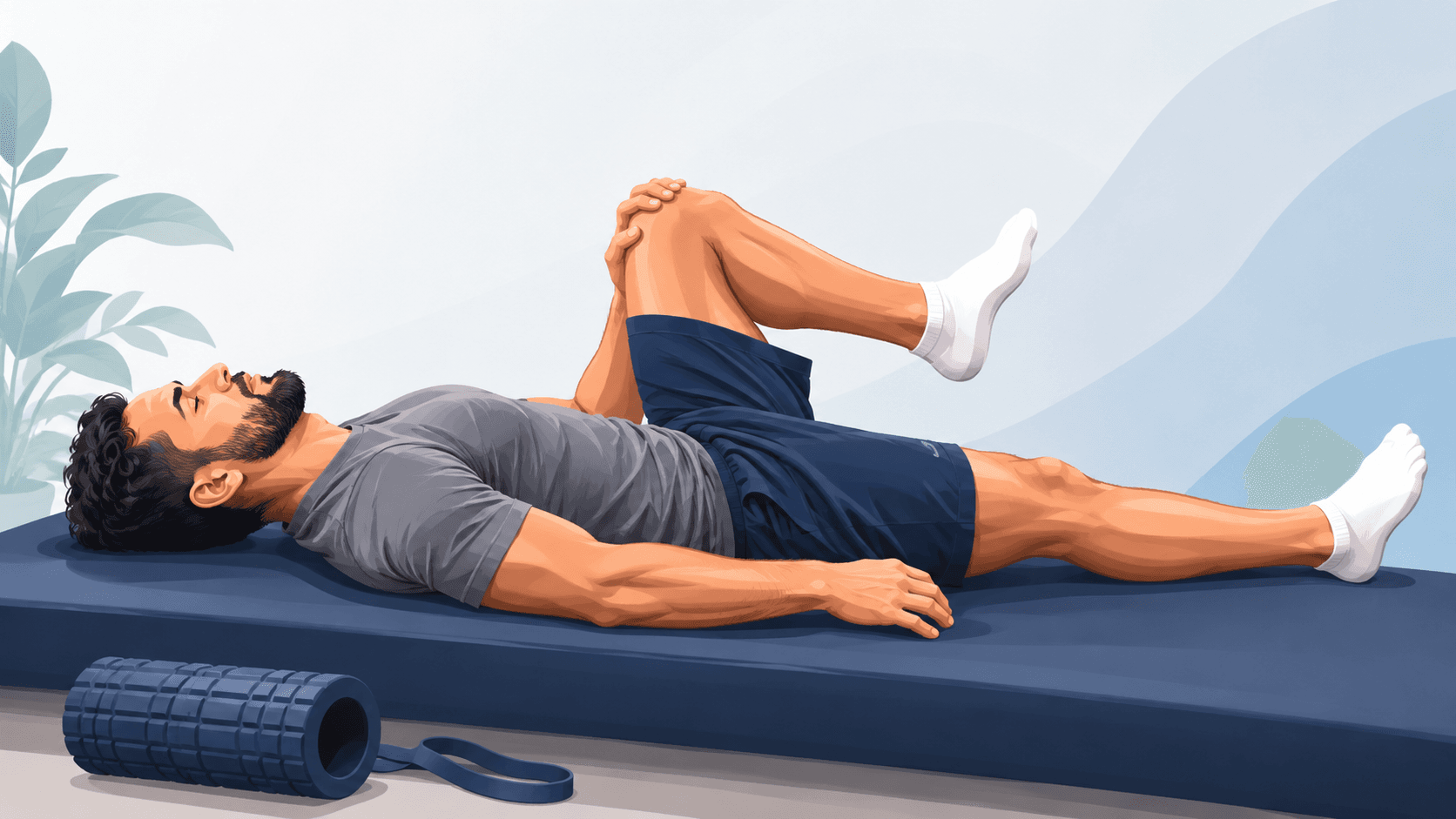
Athlete recovery
Nutrition: Fueling Recovery Effectively
Nutrition is a cornerstone of recovery for athletes, playing a pivotal role in replenishing energy stores and repairing muscle tissue post-exercise. Strategically planning meals around training sessions can significantly enhance an athlete’s recovery process and overall performance.
To effectively fuel recovery, athletes should focus on a balanced intake of macronutrients:
- Carbohydrates: Essential for replenishing glycogen stores depleted during exercise, carbohydrates should be prioritized in post-workout meals. Good sources include whole grains, fruits, and starchy vegetables. Aim to consume a carbohydrate-rich snack or meal within 30-60 minutes after intense training.
- Proteins: Vital for muscle repair, incorporating high-quality protein sources aids in reducing muscle damage. Foods such as lean meats, fish, eggs, dairy, legumes, and plant-based proteins are excellent options. A general guideline is to consume 10-20 grams of protein to optimize muscle recovery.
- Fats: While fats are crucial for overall health, they should be consumed in moderation post-workout as they can slow digestion. Healthy fat sources like avocados, nuts, and seeds can be included in meals to support recovery without compromising nutrient absorption.
Hydration also plays a critical role in recovery. An athlete’s fluid requirements increase with intense physical activity, as sweat loss can lead to dehydration. It is recommended that athletes drink enough water before, during, and after their training sessions. For longer workouts, electrolyte-rich drinks can help replenish lost salts and maintain electrochemical balance within the body.
In addition, timing is crucial. Implementing a recovery window strategy, which focuses on nutrient timing, can be beneficial. This entails consuming carbohydrates and proteins in a ratio of approximately 3:1 to promote optimal recovery. For instance, a smoothie made with banana, spinach, protein powder, and almond milk can serve as a convenient post-training recovery option.
Moreover, incorporating foods rich in antioxidants, such as berries or kale, can help reduce inflammation and oxidative stress caused by rigorous training, further enhancing recovery.
Finally, athletes should experiment and track their dietary habits to determine what works best for their individual needs. Keeping a food diary can identify patterns that correlate with performance and recovery, enabling better-informed decisions around nutrition strategies.
By prioritizing proper nutrition, athletes can maximize their recovery, enabling them to train harder and perform better while minimizing the risk of injury.
Hydration: Replenishing Fluids and Electrolytes
Maintaining optimal hydration levels is essential for athletes to support recovery and enhance performance. As the body expends energy during training and competition, it loses fluids and electrolytes through sweat. This loss can lead to dehydration, negatively impacting both physical and cognitive functions. Ensuring sufficient hydration not only aids in immediate recovery but also contributes to long-term health and performance sustainability.
To replenish fluids effectively, athletes should adopt a structured hydration strategy before, during, and after exercise. Before training, it is advisable to start the session well-hydrated, aiming to drink water consistently throughout the day. A general guideline is to consume 17-20 ounces of water about two hours before exercise, followed by an additional 8 ounces roughly 30 minutes prior.
During workouts, especially those that extend beyond an hour, maintaining hydration is critical. Water may suffice for shorter sessions, but for longer or more intense workouts, electrolyte-rich beverages are beneficial. These drinks not only replace lost fluids but also restore essential minerals like sodium, potassium, and magnesium, which play vital roles in muscle contraction and nerve function.
Post-exercise, hydrating is equally important. Athletes should aim to consume at least 16-24 ounces of water or electrolyte drink for every pound lost during exercise. Monitoring body weight before and after workouts can help assess fluid loss and inform hydration strategies accordingly.
In addition to fluid intake, the timing of hydration can enhance recovery. Consuming fluids immediately post-exercise helps initiate the recovery process, as the body is primed to absorb nutrients and replenish depleted stores.
“Hydration is key to recovery and performance; without it, all your hard work could go to waste.”
Athletes can also consider incorporating hydrating foods into their diet. Fruits and vegetables, such as watermelon, cucumbers, and oranges, contain high water content and provide additional vitamins and minerals, supporting overall recovery.
Moreover, understanding individual hydration needs is crucial. Factors like climate, workout intensity, and individual sweat rates can influence fluid requirements. Keeping a hydration log can help athletes identify optimal fluid intake and timing, tailoring their strategies for better performance and recovery.
By prioritizing adequate hydration, athletes can ensure they recover effectively from intense training sessions and maintain peak performance levels over time.
Sleep: The Cornerstone of Athletic Recovery
Sleep is often overlooked in the conversation about recovery, yet it is one of the most powerful tools athletes have at their disposal to enhance performance and facilitate healing. During sleep, the body engages in crucial repair processes that rejuvenate muscles, replenish energy stores, and regulate hormones critical for growth and recovery. This stage of rest is not merely a passive state; it actively contributes to physical and mental well-being, which is paramount for high-level athletic performance.
The different stages of sleep play unique roles in recovery. Deep sleep, or slow-wave sleep, is where the majority of bodily repair occurs. This stage aids in muscle recovery, immune function, and the release of growth hormones, helping athletes recover from both physical exertion and injury. REM (rapid eye movement) sleep, on the other hand, is essential for cognitive functions, emotional regulation, and mental clarity—elements that are vital for athletes to maintain focus and competitive edge.
To harness the full benefits of sleep, athletes should aim to establish a consistent sleep routine. Going to bed and waking up at the same time each day helps regulate the body’s internal clock, improving sleep quality over time. Creating a restful environment—dark, quiet, and cool—can further enhance the ability to fall asleep and stay asleep. Additionally, limiting screen time before bed and engaging in relaxing activities, such as reading or meditation, can help signal to the body that it is time to wind down.
Nutrition also plays a pivotal role in sleep quality. Foods rich in tryptophan, such as turkey and dairy, promote the production of melatonin, the hormone responsible for regulating sleep cycles. A light snack before bedtime that balances protein and carbohydrates can prevent hunger from disrupting sleep. However, it’s essential to avoid heavy meals or excessive caffeine intake close to bedtime, as these can interfere with the body’s ability to relax.
Implementing strategic napping can also be beneficial. Short naps of about 20-30 minutes can act as a recovery boost, especially when a full night’s sleep isn’t achievable. These power naps can improve mood, alertness, and performance, making them an effective tool for busy athletes.
As athletes continue to infuse more strategies into their recovery plans, questioning the quality and quantity of their sleep is vital. Are you getting enough restorative sleep? What environmental factors might be disrupting your nightly rest? Creating an individualized sleep plan can lead to better recovery outcomes, ensuring athletes are physically and mentally prepared for their next challenge.
- How many hours of sleep do athletes need for optimal recovery?
- Athletes typically require 7 to 9 hours of quality sleep each night, although individual needs may vary. Some elite athletes may thrive on even more sleep, particularly during intense training periods.
- Can naps improve athletic performance?
- Yes, short naps around 20-30 minutes can enhance alertness, mood, and performance without causing sleep inertia. They can be particularly effective as a recovery strategy when full night’s sleep is insufficient.
- What role does sleep play in muscle recovery?
- During sleep, the body engages in cellular repair, hormone regulation, and muscle recovery processes. The deep sleep stage is particularly important for healing muscles and tissues after strenuous workouts.
- How can an athlete improve sleep quality?
- Establishing a consistent sleep schedule, creating a comfortable sleep environment, minimizing screen time before bed, and managing stress through relaxation techniques can significantly improve sleep quality.
- Is it important to avoid caffeine before bed?
- Yes, consuming caffeine in the hours leading up to bedtime can disrupt sleep patterns and reduce overall sleep quality. It is best to limit caffeine intake in the afternoon and evening.
- How does nutrition affect sleep for athletes?
- Foods rich in tryptophan, magnesium, and antioxidants can promote better sleep. A light snack before bed can help maintain stable blood sugar levels, preventing disruptions during the night.
- What are the consequences of sleep deprivation for athletes?
- Sleep deprivation can lead to impaired cognitive function, decreased performance, increased risk of injuries, and longer recovery times. It is essential for athletes to prioritize sleep for optimal performance.
Active Recovery: Techniques and Practices
Active recovery encompasses low-intensity physical activities that promote blood flow and enhance muscle recovery while minimizing further stress to the body. Engaging in active recovery strategies can significantly aid in alleviating post-exercise soreness, reducing fatigue, and preparing the body for subsequent training sessions or competitions.
One effective method of active recovery includes light aerobic exercise. Activities such as leisurely walking, cycling, or swimming can keep the heart rate elevated without impeding recovery. Aim for about 20 to 30 minutes of light activity, focusing on moving your body gently to stimulate circulation and promote nutrient delivery to muscles.
Dynamic stretching also plays a pivotal role in active recovery. Incorporating movements that mimic the motion patterns of your sport can help maintain flexibility and range of motion. For example, a runner might engage in leg swings or high knees, while a swimmer might perform arm circles. Integrating these movements into your post-training routine can aid in muscle relaxation and help prevent stiffness.
Additionally, practices such as yoga or tai chi are excellent forms of active recovery. These gentle exercises emphasize breath control and fluid movements, promoting relaxation, flexibility, and mental clarity. They can be especially advantageous for athletes experiencing stress or tension, providing both mental and physical benefits that enhance overall recovery.
Incorporating foam rolling into your active recovery routine can also be highly beneficial. By targeting specific muscle groups, foam rolling aids in releasing tension, improving flexibility, and enhancing nutrient flow to tissues. Devote 5-10 minutes to gently rolling out tight areas, focusing on the calves, quads, and back.
Another aspect of active recovery is the importance of scheduled rest days. Allowing designated days for lighter activity can maximize recovery while preventing overtraining. On these days, favor engaging in enjoyable, non-strenuous activities that keep you moving without exerting high energy levels. Consider walking in nature, playing a casual sport with friends, or participating in a recreational class.
Finally, listen to your body. Pay attention to how you feel and adjust your active recovery sessions accordingly. If certain activities lead to discomfort, consider substituting them for gentler options. The key to effective recovery lies in finding what works best for your body and ensuring that your active recovery practices support rather than hinder your performance goals.
By integrating these active recovery techniques into your routine, you can better manage soreness, enhance your physical capabilities, and prepare your body for continued performance. Ultimately, prioritizing active recovery will contribute to a more sustainable athletic career and a reduced risk of injury.
Recovery Technologies: Innovations in Athlete Rehabilitation
The integration of technology into recovery practices for athletes has revolutionized how performance is optimized and injuries are managed. Innovations such as cryotherapy, compression therapy, and advanced wearable devices are at the forefront of these strategies, offering numerous benefits to enhance recovery processes.
Cryotherapy involves exposing the body to extremely cold temperatures for short periods. This method aims to reduce inflammation, relieve pain, and expedite recovery by constricting blood vessels and decreasing metabolic activity. After a session, blood vessels dilate, leading to improved circulation and nutritional supply to tissues, vital for repairing muscle damage. Athletes often report reduced muscle soreness and faster recovery times after incorporating cryotherapy into their routines. However, it’s essential to approach this therapy under professional supervision to ensure safety and effectiveness.
Compression therapy utilizes specialized garments or devices that apply pressure to the limbs, enhancing blood flow and reducing swelling. Many athletes use compression socks or sleeves during and after training sessions to help manage recovery. The consistent pressure aids in flushing out metabolic waste like lactic acid while delivering fresh oxygen-rich blood, promoting faster healing. Research indicates that athletes who utilize compression therapy experience decreased muscle soreness and increased range of motion, enabling them to train more consistently.
Wearable technology is another exciting avenue in athlete recovery, offering real-time data on performance metrics, heart rate variability, and sleep patterns. Devices like heart rate monitors and fitness trackers enable athletes to assess their recovery status effectively. For instance, tools that track heart rate variability (HRV) can provide insights into how well an individual is recovering from workouts. Higher HRV levels indicate better recovery, whereas lower levels may signal the need for rest. Athletes can use this data to inform their training decisions, adjusting their intensity or volume based on their recovery status.
Additionally, advancements in electrostimulation devices provide a non-invasive way to stimulate muscles and promote recovery. These devices use electrical impulses to elicit muscle contractions, which can help reduce soreness, improve circulation, and accelerate the healing process. Athletes often use them post-exercise for effective recovery management.
As technology evolves, methods of assessing recovery continue to improve, with applications being developed that allow athletes to track hydration levels, nutrient intake, and even muscle fatigue remotely. Innovative platforms are emerging, enabling athletes to gather and analyze data more efficiently, ultimately making it easier to tailor their recovery strategies according to their unique needs.
While employing these technologies, it is crucial for athletes to stay informed and consult with professionals such as sports therapists or athletic trainers about the best options available. Each athlete is unique, and understanding individual responses to different recovery technologies can maximize benefits and enhance performance outcomes.
Integrating recovery technologies into an athlete’s regimen can significantly streamline recovery processes, optimize performance, and sustain long-term athletic health. By leveraging these innovative tools, athletes can refine their recovery strategies, ensuring they are prepared for the challenges ahead.
For a personalized session and free consult, Call me: +1 334-300-0389.
Find out how ARPWave Therapy can enhance your performace as an athlete and how you can achieve drug-free pain relief.