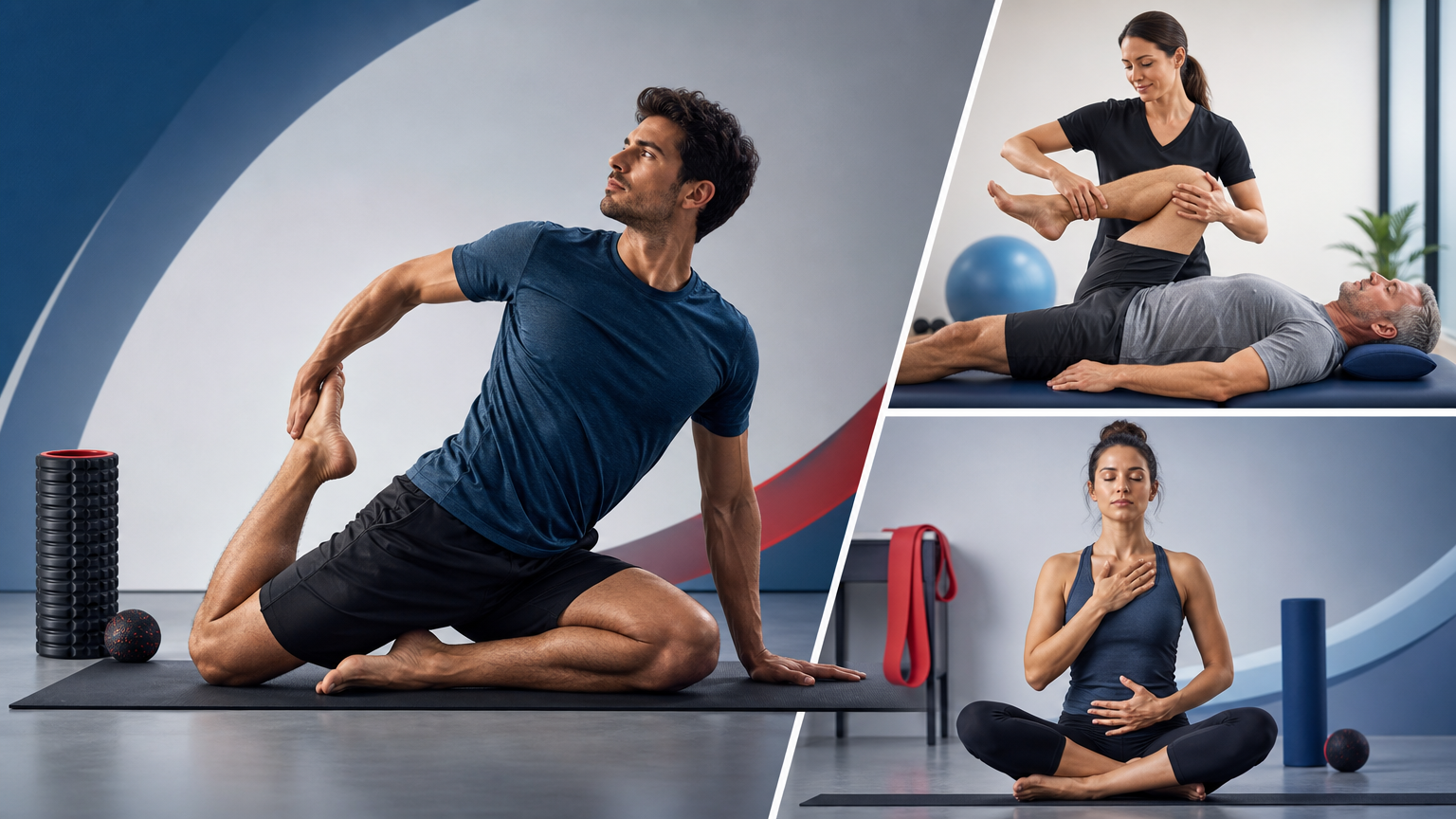


How stretching improves posture in fibromyalgia patients
How stretching improves posture in fibromyalgia patients

For a personalized session and free consult, Call me: +1 334-300-0389.
Find out how ARPWave Therapy can enhance your performace as an athlete and how you can achieve drug-free pain relief.
- Benefits of stretching for fibromyalgia
- Understanding fibromyalgia and its symptoms
- The connection between posture and pain
- Effective stretching techniques for improvement
- Creating a stretching routine
- Patient testimonials and case studies
Stretching offers numerous benefits for individuals managing fibromyalgia. Those affected by this condition often experience muscle stiffness, chronic pain, and limited mobility, making it crucial to incorporate effective stretching techniques into their daily routines. This practice not only improves flexibility but can also alleviate some of the discomfort associated with fibromyalgia. Regular stretching can enhance blood circulation, which aids in reducing muscle tension and promoting relaxation. Improved circulation can lead to a decrease in pain and discomfort levels, allowing patients to engage more fully in their daily activities.
Another significant benefit of stretching is its ability to support better posture. Many fibromyalgia patients may develop poor posture due to pain and fatigue, which can exacerbate their symptoms. By concentrating on specific muscle groups, stretching helps to lengthen tight muscles and strengthen weak ones, facilitating a more balanced body alignment. This alignment is essential not only for reducing pain but also for preventing future injuries.
In addition to the physical benefits, stretching can also have a positive impact on emotional well-being. Engaging in a regular stretching routine can promote mindfulness and help reduce stress levels, which is particularly important for fibromyalgia patients who often deal with heightened anxiety. By setting aside time to focus on their bodies, individuals can cultivate a sense of control over their pain and discomfort.
For those interested in engaging in stretching, here are some practical tips:
- Begin with gentle stretching exercises, focusing on areas where you feel tightness or discomfort.
- Perform stretches slowly, holding each position for 15-30 seconds. Breathe deeply to facilitate relaxation.
- Consider using props like pillows or resistance bands to assist with stretches, making them more accessible.
- Incorporate stretching into your daily routine, such as during breaks at work or before bedtime.
- Listen to your body—if you experience pain during a stretch, ease off or modify the movement.
Always consult with a healthcare professional or a certified massage therapist experienced with fibromyalgia before starting any new stretching routine, especially if you have significant pain or limitations. Personalization of stretching techniques can ensure that you’re practicing in a safe and effective manner.
Understanding fibromyalgia and its symptoms
Fibromyalgia is a chronic condition that affects millions of individuals worldwide, often resulting in widespread musculoskeletal pain, fatigue, sleep disturbances, and heightened sensitivity to pain. The precise cause of fibromyalgia remains unclear, but it is believed to involve a combination of genetic, environmental, and psychological factors. Understanding the symptoms and characteristics of fibromyalgia is critical for developing appropriate treatment strategies.
Patients typically report experiencing a range of symptoms, which can vary in intensity and frequency. The most prevalent symptom is muscle pain, which can be described as a dull ache that lasts for at least three months. This pain often affects specific regions of the body, referred to as tender points, that are particularly sensitive to pressure. Additionally, patients may experience:
| Symptom | Description |
|---|---|
| Fatigue | A persistent feeling of exhaustion that is not alleviated by rest, often accompanied by cognitive difficulties. |
| Sleep disturbances | Problems with falling asleep, staying asleep, or obtaining restorative sleep, resulting in daytime drowsiness. |
| Cognitive difficulties | Also known as “fibro fog,” this includes trouble with concentration, memory, and mental clarity. |
| Depression and anxiety | Many patients report feelings of sadness and anxiety, which can be exacerbated by the challenges of living with chronic pain. |
| Headaches | Recurrent tension headaches or migraines can be a common symptom among fibromyalgia patients. |
Due to the complex nature of fibromyalgia, diagnosing the condition can be challenging. Physicians often rely on a combination of patient history, symptom evaluation, and physical examinations to reach a diagnosis. The American College of Rheumatology has established criteria that include widespread pain for three months or longer and the presence of tender points across the body.
The overlap of symptoms with other conditions, such as chronic fatigue syndrome and rheumatoid arthritis, often leads to misdiagnosis or delayed treatment. Patients may face skepticism about their symptoms, which can contribute to feelings of isolation and frustration.
Addressing the symptoms of fibromyalgia typically requires a multifaceted approach that includes medical, therapeutic, and lifestyle interventions. While medications can help alleviate some pain and improve sleep patterns, incorporating non-pharmacological strategies such as exercise and stretching can significantly contribute to overall well-being. Regular stretching routines not only improve physical flexibility and posture but can also empower patients by giving them more control over their condition—an essential factor in managing fibromyalgia effectively.
The connection between posture and pain
Maintaining proper posture is crucial for everyone, but it holds particular significance for fibromyalgia patients, as poor posture can contribute to increased pain and discomfort. When the body is misaligned, certain muscle groups are overworked while others remain weakened, which can lead to chronic tension and exacerbate existing symptoms. For individuals with fibromyalgia, this cycle of pain often creates a feedback loop of discomfort that makes daily activities feel daunting.
One of the primary reasons that fibromyalgia patients experience heightened pain is that their muscles can become tight and tense due to prolonged periods of sitting or other poor postural habits. For example, sitting at a desk for long hours without proper ergonomic support tends to lead to rounded shoulders and forward head posture, which can strain the neck, shoulders, and back. As stretching helps in elongating these tight muscles, it can also enhance spinal alignment and alleviate unnecessary tension.
It’s essential for fibromyalgia patients to understand the relationship between their posture and the sensation of pain. Good posture allows for optimal alignment of bones and muscles, reducing the strain on hard-working muscle groups and enhancing overall body mechanics. When these muscles are given the opportunity to relax through stretching, there is less likelihood of overcompensation by weaker muscle groups, thus resulting in decreased pain levels.
When discussing posture, it is also important to consider the psychological aspect. Many patients report that chronic pain and fatigue lead to a tendency to adopt protective postures, which can become habitual over time. By consciously practicing stretches that promote awareness and mindfulness, individuals can work to reverse these habits. For instance, incorporating stretches that open the chest and stretch the hip flexors can counteract the effects of slumping forward and sitting for long periods.
Here are some practical tips for addressing posture through stretching:
- Chest Stretch: Stand in a doorway with arms positioned at shoulder height on either side of the frame. Lean into the stretch gently to open the chest and alleviate tightness in the shoulders.
- Neck Stretches: Sit or stand comfortably. Drop your right ear toward your right shoulder, holding for 15-30 seconds, then switch sides. This simple movement can relieve tension in the neck and upper back.
- Cat-Cow Stretch: Start on all fours and alternate between arching your back up (cat) and dropping your belly down while looking up (cow). This movement encourages spinal flexibility and strengthens core support.
Incorporating these stretches regularly into a daily routine can help develop better posture over time, which is vital for managing fibromyalgia symptoms. Remember to focus on gentle, controlled movements, and pay attention to how your body feels during and after each stretch. If discomfort increases, adjust the stretch or consult a physical therapist who can provide tailored advice and modifications catered to your unique needs.
By acknowledging the connection between posture and pain, fibromyalgia patients can take proactive steps toward improving their physical alignment and reducing their discomfort. Regularly engaging in stretching not only enhances physical capabilities but also fosters a deeper understanding of the body’s responses to pain, significantly influencing one’s quality of life.
Effective stretching techniques for improvement
Incorporating effective stretching techniques into a routine can be transformative for fibromyalgia patients, allowing them to achieve improved flexibility and pain relief. Focusing on specific muscle groups can facilitate enhanced body awareness and reduce the impact of tension that often exacerbates fibromyalgia symptoms.
A fundamental technique is the use of gentle static stretches. These stretches involve gently extending a muscle to its furthest point and holding that position for a set duration, typically between 15 to 30 seconds. For example, a simple hamstring stretch can be performed by sitting on the floor with one leg extended and the other bent. Leaning forward gently toward the extended leg helps elongate the hamstring muscle, promoting relaxation and reducing tightness.
In addition to static stretches, dynamic stretches can also be beneficial. These involve moving parts of your body and gradually increasing reach, speed of movement, or both. A classic dynamic stretch is the arm circle, where patients extend their arms out to the sides and make small circles, gradually increasing the size of the circles. This method not only enhances mobility but also warms up the muscles for more extensive activities.
“Stretching is one of the best ways to keep your muscles healthy and mitigate chronic pain.”
Another effective technique is the incorporation of gentle yoga poses. Poses such as Child’s Pose, Cat-Cow, and the Seated Forward Bend allow for a balance of stretching and strengthening, addressing tightness and instability simultaneously. Each pose should be approached mindfully, with patients encouraged to focus on their breathing and the sensations within their bodies. This mindfulness aspect not only aids in physical relief but also fosters a connection that can help manage stress and anxiety often experienced by fibromyalgia patients.
Incorporating the use of props such as yoga blocks or straps can make stretches more accessible, especially for those dealing with limitations due to pain. For example, when performing a seated forward bend, using a strap around the feet can help patients hold the stretch without straining their back or hamstrings too much. This adaptability is crucial for anyone managing fibromyalgia, as it allows them to receive the benefits of stretching without aggravating their condition.
Cold packs or heat pads can also be applied before or after a stretching session, depending on individual preference. Heat can help relax muscles beforehand, making it easier to stretch, while cold can relieve pain and reduce inflammation post-stretch.
Establishing a routine not only ensures consistency, which is crucial in managing fibromyalgia symptoms but can also bring a sense of achievement and well-being. Setting aside time each day dedicated solely to stretching provides patients an opportunity to tune into their bodies and better understand their limitations and strengths. By cultivating this consistency, fibromyalgia patients can realize enhanced mobility, improved posture, and a greater sense of control over their physical health.
In conclusion, the incorporation of effective stretching techniques presents a holistic approach to managing fibromyalgia. By prioritizing gentle yet purposeful movements, patients can work toward improved physical alignment, reduced pain, and enhanced overall quality of life.
Creating a stretching routine
 Creating a personalized stretching routine can significantly enhance the well-being of fibromyalgia patients, addressing both physical discomfort and emotional stress. A structured approach allows individuals to incorporate stretching into their daily lives, fostering consistency and achieving long-term benefits. It begins with assessing personal needs and abilities, taking into account pain levels, muscle tightness, and areas that require attention.
Starting a routine might feel daunting at first, but breaking it into manageable components can simplify the process. Consider focusing on a combination of upper and lower body stretches that target muscle groups typically affected by fibromyalgia. For example, a simple routine might include neck rolls, shoulder stretches, and gentle back twists to ease tension in the upper body, followed by hamstring and quadriceps stretches for the lower body.
To promote a sustainable routine, individuals should aim for consistency without overwhelming themselves. Aiming for five to ten minutes of stretching once or twice daily is an excellent place to start. Gradually increasing duration or the number of stretches practiced can help individuals build strength and flexibility without risking injury. The emphasis should be on listening to one’s body and adjusting the routine based on daily feelings of pain or energy levels, making those assessments a vital part of the process.
Incorporating variety can also alleviate monotony and enhance motivation. Patients can explore different stretches, yoga poses, or even Tai Chi movements that allow for fluidity and adaptability. Many online resources, such as videos and apps focused on stretching for fibromyalgia, can offer guided routines that inspire and instruct. Alternatively, joining a class or engaging with a healthcare professional who specializes in fibromyalgia can provide additional support and accountability.
Creating an inviting environment can also enhance the experience of stretching. Setting up a dedicated, comfortable space with calming music, soft lighting, and necessary props (like yoga mats, straps, or pillows) encourages a positive mindset. Developing a pre-stretching ritual may help signal the body that it is time to unwind and focus on relaxation. This could include deep breathing exercises, affirmations, or a simple moment of mindfulness to center oneself.
Regular reassessment of the stretching routine is crucial for ongoing progress. Patients should take time to note improvements, not solely in physical abilities but also in pain levels, mood, and overall quality of life. Adjustments can be made as some stretches become easier and as the patient’s needs evolve. This level of self-awareness not only empowers individuals but also fosters a deeper understanding and connection with their bodies.
Embracing this journey of creating and maintaining a stretching routine serves as more than just an activity; it becomes a proactive approach to managing fibromyalgia. The act of stretching itself can lead to new discoveries about what works best for the body, enhancing both physical posture and emotional resilience.
- How often should I stretch if I have fibromyalgia?
- Patients are encouraged to stretch daily, aiming for a minimum of five to ten minutes at a time. Consistency is key—listen to your body and adjust frequency based on how you feel.
- What types of stretches are best for fibromyalgia patients?
- Gentle static and dynamic stretches that focus on major muscle groups are ideal. Yoga poses and movements that incorporate breathing can also be beneficial for reducing pain and enhancing flexibility.
- Can stretching worsen my fibromyalgia symptoms?
- While stretching should generally provide relief, it’s crucial to listen to your body. If a stretch causes pain or discomfort, it’s advisable to ease off or modify the stretch in consultation with a healthcare provider.
- Should I warm up before stretching?
- Warming up with light activities such as walking or gentle movements can help prepare your muscles for stretching. This can enhance flexibility and reduce the risk of injury.
- How can I stay motivated to keep up with my stretching routine?
- Setting realistic goals, varying your routine, and creating a comfortable space can help maintain motivation. Engaging in stretching with others or recording your progress may also boost your commitment.
- Is it necessary to seek professional help to create a stretching routine?
- While many can develop a routine on their own, consulting with a healthcare professional or certified massage therapist experienced in fibromyalgia can provide personalized guidance and ensure safety.
- How long will it take to see improvements from stretching?
- Improvements may vary, but many patients experience noticeable benefits in mobility and pain reduction within a few weeks of consistent stretching. Individual experiences will differ, so patience is important.
Patient testimonials and case studies
Patient testimonials illustrate the profound impact that stretching routines can have in the lives of individuals managing fibromyalgia. Many patients share their experiences of how integrating stretching into their daily regimen not only helped alleviate physical pain but also contributed to improved mental health and overall well-being.
One patient, Jane, describes her struggle with chronic pain and fatigue, often feeling trapped in her own body. After consulting with a physical therapist specializing in fibromyalgia, she was introduced to a tailored stretching routine. “At first, I was skeptical, but after a few weeks, I noticed a significant decrease in my pain levels. Stretching has become a part of my morning ritual, and it really helps set a positive tone for the day,” she shares. Jane emphasizes that beyond the physical benefits, stretching offers her a sense of control over her symptoms, reducing feelings of anxiety and frustration against the backdrop of fibromyalgia.
Similarly, Mark, an avid athlete prior to his fibromyalgia diagnosis, recounts a journey of rediscovery. “I thought I’d never be able to enjoy physical activity again,” he recalls. “However, incorporating targeted stretching routines focused on my posture transformed my approach to physical fitness. It’s crucial for me to keep my muscles flexible and my posture aligned.” Mark now practices a combination of dynamic stretches and yoga, noting that this has not only improved his physical capabilities but also enhanced his mental clarity and resilience.
Incorporating patient feedback, healthcare providers often recommend customizable stretching techniques that cater specifically to the areas of concern. Case studies from therapy clinics reveal that patients who regularly participate in guided stretching sessions report improvements in both their posture and emotional state. One study highlighted the benefits seen in a group of fibromyalgia patients who participated in a 12-week stretching program, demonstrating reduced pain scores and improved quality of life metrics upon completion.
Patients like Sarah emphasize the importance of support during this journey: “Sharing my experiences with others who understand fibromyalgia has been crucial. We motivate each other to stick with our stretching routines and celebrate our progress together.” This community aspect not only supports individual motivation but enhances the overall effectiveness of the stretching routines.
Stories like those of Jane, Mark, and Sarah underscore the potential of stretching as a tool for managing fibromyalgia symptoms. Their experiences illustrate that with the right approach and a commitment to a personalized routine, patients can experience notable improvements in both their physical and mental health while empowering themselves on their path to wellness.
For a personalized session and free consult, Call me: +1 334-300-0389.
Find out how ARPWave Therapy can enhance your performace as an athlete and how you can achieve drug-free pain relief.