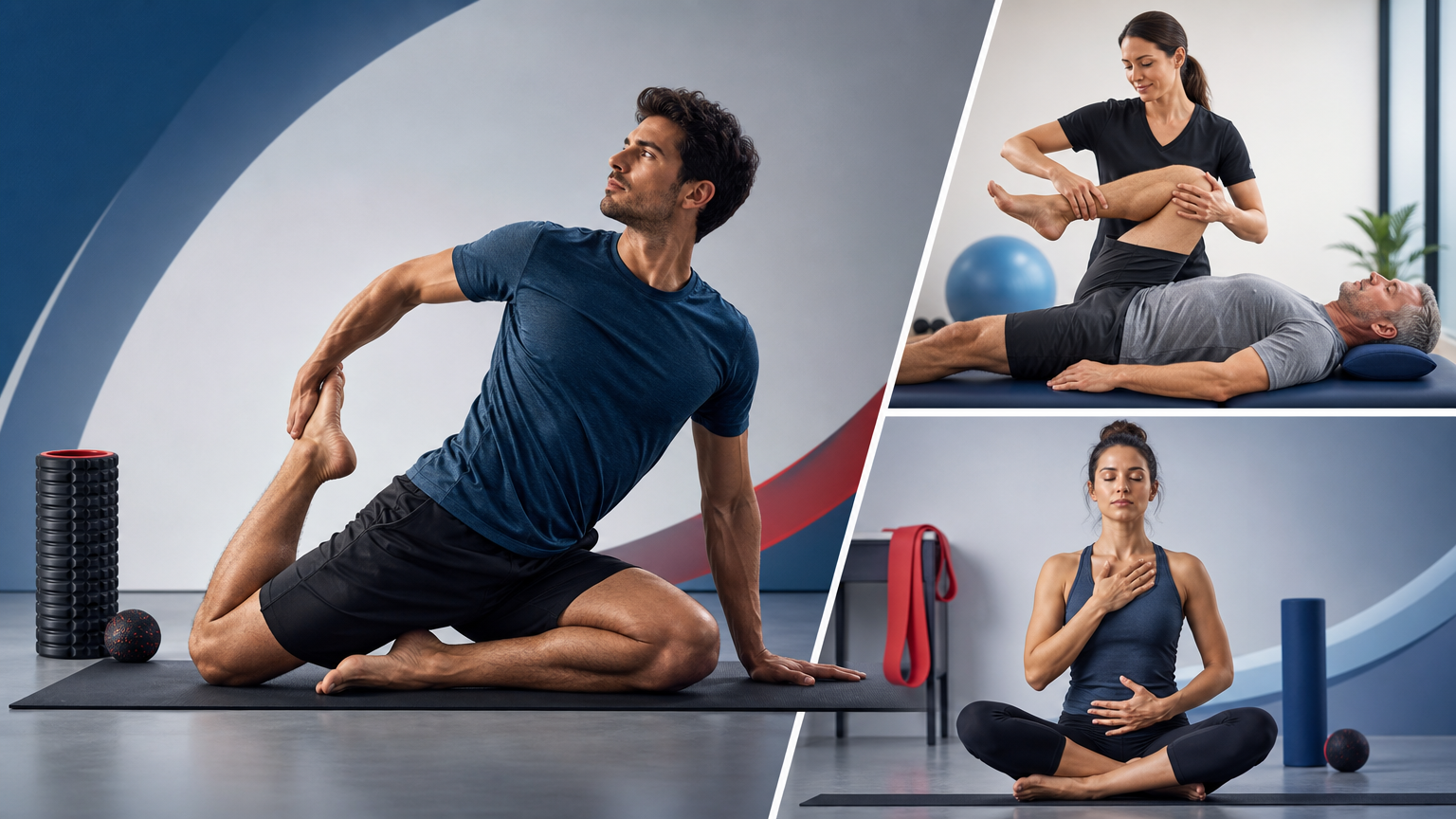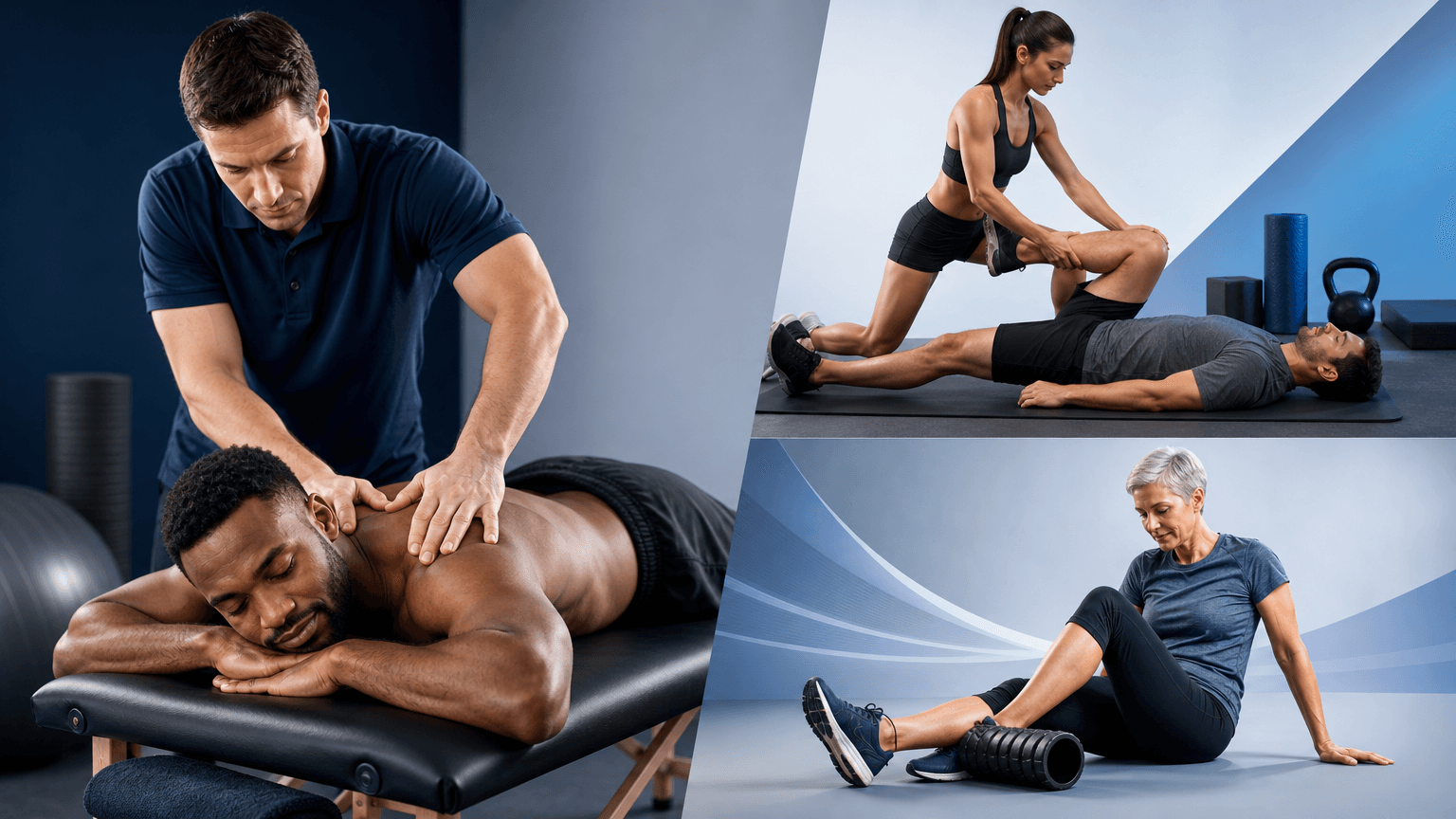


Flexibility exercises: a valuable tool for fibromyalgia
Flexibility exercises: a valuable tool for fibromyalgia

For a personalized session and free consult, Call me: +1 334-300-0389.
Find out how ARPWave Therapy can enhance your performace as an athlete and how you can achieve drug-free pain relief.
- The role of flexibility exercises in managing fibromyalgia
- Benefits of improved flexibility for fibromyalgia sufferers
- Types of flexibility exercises suitable for fibromyalgia
- Guidelines for safe practice of flexibility exercises
- Incorporating flexibility exercises into daily routines
- Patient success stories and testimonials on flexibility training
Flexibility exercises serve as a valuable tool in the management of fibromyalgia, a condition characterized by widespread pain, fatigue, and tenderness in localized areas. For individuals suffering from this condition, maintaining a sense of mobility and minimizing discomfort is vital. Engaging in flexibility exercises can help combat the stiffness and tension often experienced by those with fibromyalgia, allowing for improved movement and an overall sense of wellbeing.
Incorporating a routine of flexibility training can help enhance blood circulation to muscles and joints, which is particularly beneficial for individuals with fibromyalgia. Improved circulation can lead to reduced muscle stiffness and pain, making daily tasks easier and less daunting. As muscle tissues gain flexibility, it may also alleviate some of the muscular tension that triggers fibromyalgia symptoms.
Research has shown that regular participation in flexibility exercises can contribute to a reduction in the severity of fibromyalgia symptoms. A study published in the Journal of Musculoskeletal Pain indicated that patients who participated in a structured flexibility program reported significant improvements in their pain levels and overall functionality (e.g., Boulanger et al., 2017).
Furthermore, engaging in these exercises can facilitate better mental health outcomes. The repetitive, calming nature of flexibility routines can foster relaxation, which may help counteract the anxiety and stress that often accompany chronic pain conditions. This aspect is particularly important for fibromyalgia sufferers, who frequently experience increased emotional distress due to their persistent physical discomfort.
Patients should consider the following suggestions when incorporating flexibility exercises into their routine:
- Start slowly, especially if you have been inactive, to avoid exacerbating pain or discomfort.
- Focus on gentle stretches that promote range of motion without strain or excessive effort.
- Incorporate deep breathing techniques while performing stretches to help enhance relaxation and effectiveness.
- Utilize props, such as straps or cushions, to assist in achieving proper form and reduce strain on the body.
By integrating flexibility exercises into their daily lives, individuals with fibromyalgia can cultivate a more proactive approach to their health, enhancing their ability to manage symptoms while fostering a holistic sense of wellness.
Benefits of improved flexibility for fibromyalgia sufferers
Improved flexibility offers a range of benefits for fibromyalgia sufferers, significantly impacting their overall quality of life. One of the most immediate advantages is the reduction of muscle stiffness and tension. As individuals engage in flexibility exercises, they promote relaxation within the muscles, which can mitigate the discomfort that often plagues those with fibromyalgia. Regular practice of these exercises can lead to an increase in the range of motion, allowing for smoother and more comfortable movement in daily activities.
Additionally, enhancing flexibility can lead to improved posture and alignment. Many individuals with fibromyalgia also experience postural imbalances due to muscle tightness and injury adaptations. By incorporating targeted flexibility exercises, these individuals can counteract these imbalances, which may not only reduce pain but also prevent the development of further musculoskeletal issues.
The psychological benefits associated with flexibility training are equally significant. The act of participating in regular physical activity is linked to increased endorphin production, which can contribute to a more positive mood. This is particularly beneficial for fibromyalgia patients, who often face emotional challenges related to chronic pain and fatigue. Regularly performing flexibility exercises can foster a sense of empowerment, as individuals regain control over their bodies and improve their physical capabilities.
A comparison of the impacts of improved flexibility on fibromyalgia symptoms can be illustrated as follows:
| Aspect | Before Flexibility Exercises | After Flexibility Exercises |
|---|---|---|
| Muscle Stiffness | High levels of stiffness, leading to discomfort in movement | Reduced stiffness, enabling smoother movement and lower discomfort |
| Range of Motion | Limited range of motion, often leading to avoidance of activity | Increased range of motion, promoting engagement in daily activities |
| Postural Alignment | Postural issues contributing to pain and discomfort | Better postural alignment, reducing the strain on muscles and joints |
| Mental Wellbeing | Increased anxiety and stress associated with chronic pain | Improved mood and stress levels through physical activity and relaxation |
In summary, the benefits of improved flexibility extend beyond mere physical outcomes for fibromyalgia sufferers. By embracing flexibility exercises as a valuable tool, patients can experience significant enhancements in both their physical condition and psychological wellbeing. Emphasizing these exercises can lead to a more integrated approach to managing fibromyalgia, fostering resilience and a greater sense of control over their health.
Types of flexibility exercises suitable for fibromyalgia
For individuals managing fibromyalgia, various types of flexibility exercises can prove highly beneficial in enhancing mobility and reducing discomfort. These exercises can span from gentle stretching routines to more structured practices aimed at improving overall body flexibility. Here are some types that can be particularly effective:
- Static Stretching: This involves holding a stretch position for a certain period, typically between 15 to 30 seconds. Simple stretches targeting major muscle groups, such as hamstrings, quadriceps, and shoulders, can help in relieving tension. For example, sitting on the floor and reaching for your toes promotes flexibility in the hamstrings and lower back.
- Dynamic Stretching: Unlike static stretching, dynamic stretching involves movement. This may include gentle arm circles or leg swings that increase blood flow while preparing the body for physical activity. Such movements can invigorate the body and make subsequent physical activities feel more manageable.
- Yoga: Many individuals find yoga to be an excellent way to improve flexibility while also enhancing relaxation. Poses such as Child’s Pose and Cat-Cow can help alleviate tension in the spine and promote a sense of calm. Modifications can be made using props like blocks or straps to avoid straining the body.
- Pilates: This method focuses on strengthening core muscles while enhancing flexibility. Exercises like the Spine Stretch or the Saw can improve spinal flexibility and posture—two areas often affected by fibromyalgia. Pilates classes tailored to those dealing with chronic pain are available and can provide guided support.
- Foam Rolling: While not a traditional flexibility exercise, foam rolling can enhance flexibility by releasing muscle tightness. Individuals can gently roll over areas like the thighs or calves, which helps in breaking the muscle knots that contribute to pain.
- Water-based Exercises: Engaging in flexibility exercises in water, such as water aerobics or gentle swimming, can provide buoyancy that eases the strain on joints. The water’s resistance promotes muscle relaxation and enhances flexibility simultaneously.
When selecting flexibility exercises, it’s crucial for individuals with fibromyalgia to listen to their bodies. Pain and discomfort should always be closely monitored, and any exercise that exacerbates symptoms should be modified or avoided entirely. Consider starting with small sessions and gradually increasing intensity as comfort levels improve. Acknowledging the individual’s levels of energy and pain is essential to establishing a sustainable flexibility program. Collaboration with health professionals, such as a physical therapist or a certified massage therapist, can provide personalized advice tailored to their specific needs and limitations.
Utilizing flexibility exercises as part of a broader management strategy for fibromyalgia can significantly enhance the quality of life. The goal is to make these exercises an enjoyable part of daily routines, leading to greater acceptance and better overall health outcomes.
Guidelines for safe practice of flexibility exercises
To safely integrate flexibility exercises into a routine, it is essential to consider several important guidelines that help minimize discomfort and promote a positive experience. Beginning any physical activity, especially for individuals with fibromyalgia, calls for a cautious and informed approach.
Firstly, it is vital to start slowly. For those who have been inactive or are new to flexibility training, easing into the practice can prevent aggravating pain or discomfort. This means opting for brief sessions that focus on gentle movements rather than aggressive stretching. Patients should pay close attention to their bodies, recognizing their limits and respecting them.
Warming up before stretching is another critical aspect of safe practice. Engaging in light physical activity can prepare the muscles for stretching, enhancing effectiveness while reducing the risk of injury. Simple movements such as walking or gentle arm circles may suffice to get the blood flowing and muscles ready.
When performing stretches, focusing on gentle, static stretches is generally recommended. Maintaining each position for 15 to 30 seconds allows the muscles to gradually lengthen without undue strain. Flexibility exercises targeting major muscle groups, like the shoulders, back, and legs, can be particularly beneficial. Patients should aim for stretches that feel comfortable and release tension, ensuring they do not push themselves to the point of pain.
Incorporating deep breathing techniques can also enhance the experience of flexibility exercises. Breathing deeply helps induce relaxation and can significantly improve the efficacy of the stretches. This practice encourages mindfulness, allowing individuals to connect with their bodies and become more aware of tension and discomfort.
Using props can provide additional support for individuals during their flexibility routine. Items such as yoga blocks, straps, or cushions can facilitate proper alignment and help to attain stretches that may otherwise be difficult or painful. This can be especially important for fibromyalgia patients, as props aid in reducing strain on the body while maintaining the quality of the stretch.
Additionally, it is essential to listen to one’s body during the exercises. If any particular movement causes discomfort beyond the usual stretch sensation, it is crucial to stop immediately. Modifying the exercise or choosing a different stretch can help maintain a constructive practice without exacerbating fibromyalgia symptoms.
For optimal results, consistency is key. Patients should aim to incorporate flexibility exercises into their daily routine, but they should do so in a way that aligns with their energy levels on any given day. It may be useful to keep a journal of any changes in symptoms related to flexibility training, as this can help in determining what works best for an individual.
Lastly, seeking professional guidance can further enhance safety and effectiveness. Working with a physical therapist or a certified trainer experienced in managing fibromyalgia ensures that individuals receive personalized insights tailored to their unique circumstances. They can assist in designing a flexibility program that aligns with specific capabilities, ensuring it serves as a valuable tool in managing symptoms.
By adhering to these guidelines, individuals with fibromyalgia can confidently explore the benefits of flexibility exercises, improving their comfort and mobility while lowering the risk of injury.
“Starting slow and listening to your body are crucial for safely incorporating flexibility exercises into your routine.”
Incorporating flexibility exercises into daily routines
 Incorporating flexibility exercises into daily routines can be transformative for individuals managing fibromyalgia. Establishing a consistent practice allows for gradual improvements in mobility and comfort. Start by dedicating a specific time each day, even if it’s just 10 to 15 minutes, to engage in these beneficial movements. Setting realistic goals can foster motivation and a sense of accomplishment, encouraging individuals to explore and expand their capabilities over time.
Consider integrating flexibility exercises into existing activities. For instance, incorporating gentle stretches while watching television, reading, or even during breaks at work can make the process feel less daunting. Remember to listen to your body; if a particular movement causes discomfort, modify it or opt for a gentler alternative. Creating a positive environment for movement that fosters self-compassion can enhance the experience of flexibility training, inviting creativity and joy into what may initially seem like a chore.
Pairing flexibility exercises with other wellness practices, such as mindfulness or meditation, can further enhance their effectiveness. Practicing deep breathing while stretching not only promotes relaxation but also helps individuals connect with their bodies in a meaningful way. This holistic approach encourages a deeper understanding of how different physical and mental states interplay, enriching the overall experience.
Flexibility exercises can also be embraced as part of a social activity. Joining a community group focusing on gentle yoga or stretching can provide both social support and motivation to stick with the practice. Sharing experiences and learning from others in similar situations can reinforce commitment while making the process more enjoyable.
Exploring different types of flexibility exercises, such as pilates or swimming, can keep the practice engaging and tailored to personal preferences. Different environments and styles may resonate more with some individuals, prompting them to remain consistent in these activities. Creating a flexible routine that integrates these exercises allows individuals to discover what works best for them, fostering a more empowered approach to managing fibromyalgia.
- How often should I perform flexibility exercises for fibromyalgia?
- It’s generally recommended to engage in flexibility exercises at least 3 to 5 times a week. However, some individuals may benefit from incorporating shorter sessions daily, focusing on gentle stretches that align with their energy levels.
- Are there any specific flexibility exercises I should avoid with fibromyalgia?
- Individuals with fibromyalgia should be cautious with any exercises that cause sharp pain or discomfort. High-impact or vigorous activities may exacerbate symptoms, so it’s essential to listen to your body and modify or skip exercises that trigger undue strain.
- Can flexibility exercises help with pain relief?
- Yes, flexibility exercises can promote muscle relaxation and improve blood circulation, which may help alleviate pain. Regular practice may lead to a decrease in muscle tension and discomfort associated with fibromyalgia symptoms.
- What role does breathing play in flexibility exercises?
- Integrating deep, mindful breathing during flexibility exercises enhances relaxation and reduces stress. This focused breathing can help improve oxygen flow, making stretches more effective and fostering a deeper connection with the body.
- Is it better to do flexibility exercises in the morning or evening?
- It depends on individual preferences and energy levels. Some people find morning stretches help energize them for the day, while others prefer to unwind with flexibility exercises in the evening to relieve tension built up during the day.
- Can I do flexibility exercises at home, or should I go to a class?
- Both options are valid. Many individuals find comfort and convenience in practicing at home, especially with guided online videos. However, participating in a class can provide professional guidance and a sense of community that may enhance motivation.
- How long should I hold each stretch during flexibility exercises?
- It’s generally recommended to hold each stretch for about 15 to 30 seconds. This duration allows muscles to gradually lengthen and adapt without risking strain or injury.
Patient success stories and testimonials on flexibility training
Patient success stories illustrate the transformative effects that flexibility exercises can have for those managing fibromyalgia. Many individuals have reported significant improvements in their quality of life, citing enhanced mobility, reduced pain, and better emotional wellbeing following their engagement in structured flexibility routines.
One patient, Lucy, shared her journey of incorporating flexibility exercises into her daily life. After struggling with intense muscle stiffness for years, she committed to a gentle yoga practice. “At first, I could barely reach my arms above my head, but over time, I noticed that I could stretch a little further each day,” she recalls. “Not only did my physical condition improve, but I also felt less anxious and more relaxed overall. It was like gaining control of my body again.”
Another individual, Mark, began a combination of Pilates and static stretching to manage his fibromyalgia symptoms. He reported, “The consistent routine has been a game changer. I used to dread getting out of bed due to the stiffness, but now I can start my day with a sense of accomplishment. Flexibility exercises have truly become a valuable tool in my path to recovery.”
Testimonies also highlight how community support can enhance the experience. Sarah, who joined a local water aerobics class, found that exercising with others provided motivation and camaraderie. “The instructor tailored the exercises to accommodate our needs, which made me feel safe and supported. Seeing others flourish alongside me filled me with hope,” she explains. The positive reinforcement from fellow participants can bolster commitment and help individuals persist through challenges.
A common sentiment among many that have engaged in these practices is the emphasis on patience and gradual progress. Jessica reflects on her early struggles: “I had to remind myself that it took time to see results. Initially, any form of exercise left me exhausted, but I learned to celebrate small victories, like being able to hold a stretch for a few extra seconds. These moments fueled my determination to keep going.”
In conjunction with medical advice, the individual experiences shared by these patients demonstrate that flexibility exercises can significantly impact the management of fibromyalgia symptoms. Their stories serve as hope for others who may still be searching for effective tools in their pain relief arsenal, encouraging them to explore and embrace the benefits of flexibility training.
For a personalized session and free consult, Call me: +1 334-300-0389.
Find out how ARPWave Therapy can enhance your performace as an athlete and how you can achieve drug-free pain relief.