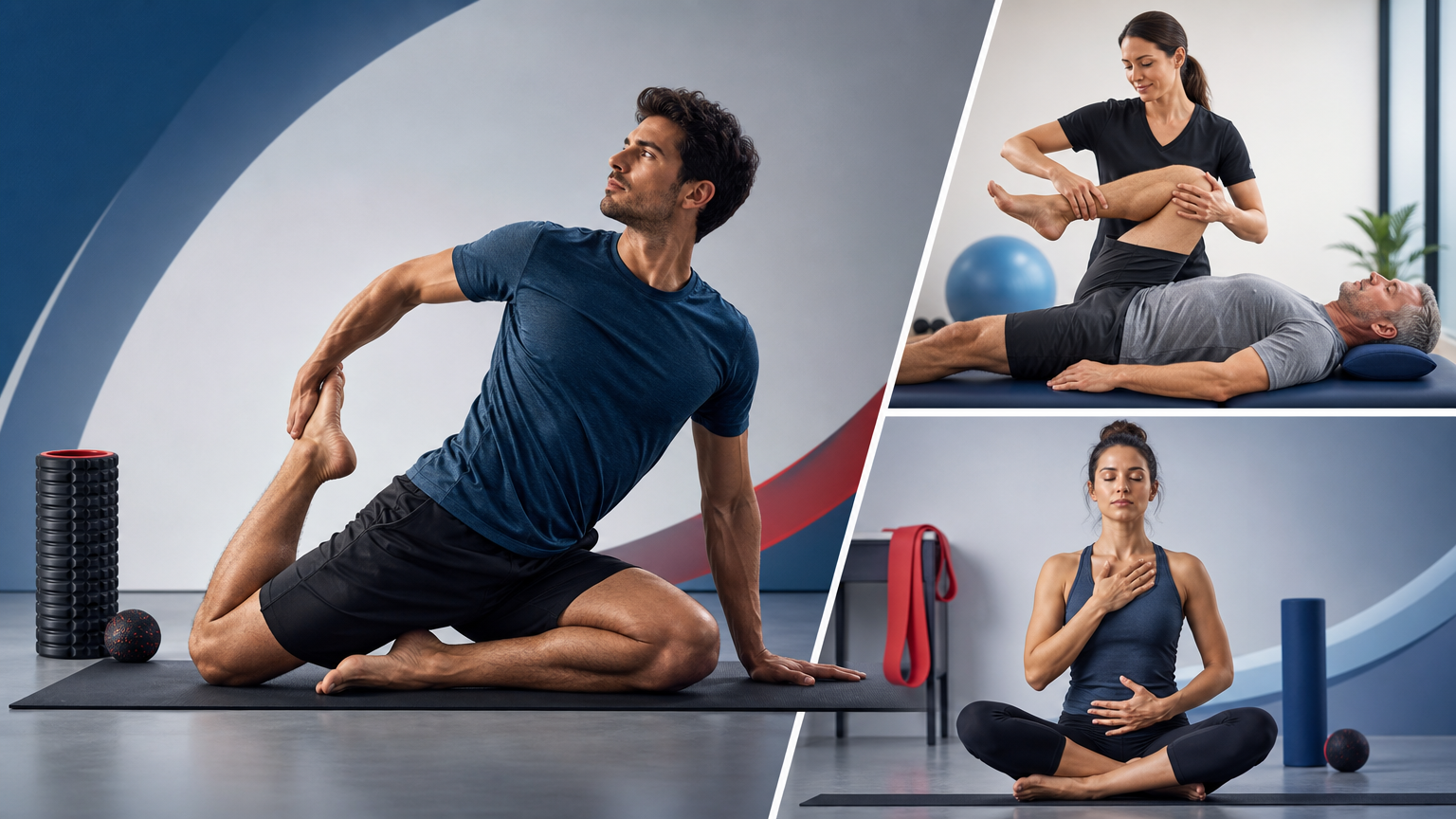


Motivating fibromyalgia patients to stretch regularly
Motivating fibromyalgia patients to stretch regularly

For a personalized session and free consult, Call me: +1 334-300-0389.
Find out how ARPWave Therapy can enhance your performace as an athlete and how you can achieve drug-free pain relief.
- Understanding Fibromyalgia and Its Effects
- The Importance of Stretching for Fibromyalgia Management
- Overcoming Barriers to Regular Stretching
- Effective Stretching Techniques for Patients
- Creating a Personalized Stretching Routine
- Encouraging Consistency and Motivation in Stretching
Fibromyalgia is a complex and often misunderstood condition characterized by widespread musculoskeletal pain, fatigue, sleep disturbances, and cognitive difficulties. These symptoms can significantly impact daily life and hinder one’s ability to perform routine activities. Understanding the multifaceted nature of fibromyalgia is crucial for both patients and practitioners to develop effective coping strategies.
The pain experienced by fibromyalgia patients is thought to be linked to an abnormal response to pain signals due to heightened sensitivity within the nervous system. This altered pain perception may be compounded by other factors such as stress, hormonal changes, and even diet. These variables can lead to a cycle that makes managing fibromyalgia symptoms particularly challenging.
Moreover, fibromyalgia can also affect emotional wellbeing. Many patients report feelings of anxiety or depression, which can further exacerbate their physical symptoms. Therefore, addressing both physical and emotional aspects is essential in promoting overall health and well-being among individuals with this condition.
For those seeking relief, massage therapy has emerged as a popular complementary treatment option. Studies have indicated that particular massage techniques can help alleviate pain, improve sleep, and enhance mood by reducing muscle tension and promoting relaxation (Field, 2015).
It is important for fibromyalgia patients to be informed about their bodies and the various strategies available to them. Here are some practical recommendations for effectively integrating massage therapy as part of a holistic pain management plan:
- Communicate openly with your massage therapist about your symptoms and any specific areas of discomfort.
- Explore different massage modalities, such as Swedish massage for relaxation or trigger point therapy for targeted pain relief.
- Consider frequency; regular sessions may provide cumulative benefits, so aim for consistency in treatment.
- Incorporate stretching before and after massage to enhance flexibility and prevent post-treatment soreness.
- Track your progress and any changes in your symptoms to discuss with your healthcare provider.
By actively engaging in self-care practices and understanding the complexities of fibromyalgia, patients can develop a comprehensive approach to managing their symptoms and improving their quality of life.
For further reading on the therapeutic benefits of massage for fibromyalgia, refer to sources like the American Massage Therapy Association (AMTA) and the National Fibromyalgia Association.
The Importance of Stretching for Fibromyalgia Management
Stretching plays a pivotal role in the management of fibromyalgia, almost acting as a bridge that connects physical activity with symptom relief. For fibromyalgia patients, regular stretching can serve multiple purposes: it increases flexibility, reduces muscle tension, and enhances blood circulation throughout the body. This phenomenon is particularly important for addressing the unique challenges faced by individuals with fibromyalgia, where stiffness and chronic pain are commonplace.
Incorporating stretching into their daily routine can provide fibromyalgia patients with a sense of agency over their bodies, empowering them to take active steps towards alleviating discomfort. Stretching activities can trigger the release of endorphins, the body’s natural painkillers, which can help to elevate mood and reduce anxiety levels. Additionally, consistent stretching can aid in improving sleep quality—a significant concern for many individuals suffering from fibromyalgia.
To better understand the impacts of stretching, a comparative analysis can be insightful. The table below illustrates the differences between regular stretching and a sedentary lifestyle, elucidating the benefits that stretching brings to fibromyalgia management:
| Aspect | Regular Stretching | Sedentary Lifestyle |
| Flexibility | Improved range of motion and reduced stiffness | Increased stiffness; reduced mobility |
| Muscle Tension | Reduction in muscle tightness and tension | Build-up of muscle tension, leading to pain |
| Circulation | Enhanced blood flow, aiding in recovery | Poor circulation, which can exacerbate pain |
| Mood | Increased endorphin release, promoting a better mood | Potential for depression and anxiety due to inactivity |
| Sleep Quality | Improved sleep quality, reduced insomnia | Difficulty falling and staying asleep |
For fibromyalgia patients, creating a consistent routine that encompasses stretching can seem daunting, yet it is essential. While developing this habit, it becomes important to choose stretching techniques that are gentle and restorative. Simple movements, such as gentle neck stretches, shoulder rolls, and gentle hamstring stretches can form the foundation of an effective regimen.
Ultimately, emphasizing the importance of stretching in fibromyalgia management allows individuals to appreciate the profound effects of movement on their physical and mental health. As they learn to stretch regularly, they not only condition their muscles and joints but also foster a proactive approach to managing their all-encompassing symptoms. Embracing these practices can lead to significant improvements in their overall quality of life, helping them navigate their unique journey with fibromyalgia more effectively.
Overcoming Barriers to Regular Stretching
For many fibromyalgia patients, there are various barriers that can hinder the commitment to a regular stretching regimen. Understanding these obstacles is the first step in overcoming them. Common barriers include physical discomfort, lack of time, and insufficient motivation. However, with the right strategies, patients can successfully navigate these challenges and embrace stretching as a vital component of their self-care routine.
Physical discomfort is often a major deterrent to stretching. Fibromyalgia can cause significant pain, making it challenging to engage in any physical activity, including stretching. To address this, it is crucial to focus on gentle and restorative stretches that prioritize comfort. Consider integrating techniques like:
- Static stretching—holding stretches for longer periods, which allows muscles to relax and reduces muscle tension.
- Dynamic stretching—using slow movements to warm up muscles without causing strain.
- Passive stretching—using props such as towels or straps to aid in stretching, reducing the reliance on muscular strength.
Additionally, incorporating visualization techniques can help patients ease into stretching. For instance, picturing the muscles lengthening can create a mental space conducive to relaxation, alleviating some discomfort associated with the activity.
Lack of time can also create significant barriers to consistency. Many individuals lead busy lives, whether they are corporate executives, caregivers, or busy parents, leaving little time for self-care. Overcoming this obstacle requires creative planning. Here are some practical suggestions:
- Set aside a specific time each day for stretching, even if it’s just 5-10 minutes. This can be integrated into existing routines, such as first thing in the morning or before bed.
- Incorporate stretches into daily activities, such as doing neck rolls while waiting for the kettle to boil or performing gentle wrist stretches at the desk.
- Use reminders—set alarms or use apps that prompt stretching sessions to help maintain accountability and consistency.
Motivation is another critical factor in maintaining a regular stretching routine. Fibromyalgia patients may sometimes feel overwhelmed, leading to decreased motivation. To help combat this, consider these motivational strategies:
- Set realistic goals. Start small; aim for short sessions and gradually increase duration and complexity as comfort improves.
- Track progress using a journal or app. Documenting improvements in flexibility, pain levels, or emotional well-being can provide encouragement and a sense of achievement.
- Engage in a group. Participating in community classes, whether in-person or online, creates a support network that encourages adherence to stretching routines.
Lastly, remember that engaging with a massage therapist can enhance the benefits of your stretching efforts. Many therapists specialize in work with fibromyalgia patients and can offer insights on complementary practices. They may recommend specific stretches that target individual areas of tension and incorporate relaxation techniques that further motivate patients to stretch regularly. By addressing these barriers holistically, fibromyalgia patients can cultivate a nourishing and sustainable stretching practice in their lifestyle, contributing significantly to their overall well-being.
Effective Stretching Techniques for Patients
To effectively incorporate stretching into a fibromyalgia management plan, patients can benefit from specific techniques tailored to their unique needs. Gentle stretching routines are essential, emphasizing the gradual approach to alleviate any discomfort while encouraging movement. Fibromyalgia patients may find that engaging in low-impact stretches, such as static and dynamic stretches, provides the most benefit without exacerbating their symptoms.
Static stretching involves holding a position for a noticeable duration, often between 15 to 30 seconds, which can help relax the muscles and gradually enhance flexibility. For instance, a simple neck stretch can be performed by gently tilting the head to one side and holding the position, feeling the stretch along the side of the neck. Dynamic stretches, employing slow and controlled movements, can be especially helpful during warm-up routines as they prepare the muscles for further mobility. Gentle arm circles or leg swings can serve as effective dynamic stretches, promoting blood flow and flexibility without straining the body.
Incorporating breathing techniques into stretching sessions can also amplify the benefits. Deep, mindful breathing while stretching not only fosters relaxation but may contribute to reduced pain perception and heightened body awareness. For many, connecting mindful breathing with gentle movements can make the stretching experience more enjoyable and less of a chore.
Another effective technique is the use of passive stretching, where props such as straps, towels, or even a wall aid in achieving a stretch without relying too heavily on muscular effort. This approach allows fibromyalgia patients to access stretches that might otherwise be difficult, creating a sense of ease that can encourage them to stretch regularly.
It’s also vital to customize the stretching routine based on personal comfort levels and specific areas of tension. For instance, if someone finds that their lower back tends to be particularly tight, they might focus on gentle hip openers or lower back twists. Conversely, others may experience neck and shoulder tightness and can benefit from shoulder rolls and gentle neck stretches. Keeping a log or journal to track which stretches bring relief can be motivating and can help identify patterns over time.
Routine is key to ensuring that stretching becomes a regular part of daily life. Patients can schedule short, focused sessions multiple times a day rather than attempting longer stretches all at once. Techniques like performing a few stretches during breaks at work or incorporating stretches before bedtime can easily fit into a busy schedule.
“Patients need to listen to their bodies; stretching should never be painful. It should feel good—it’s about finding your flexibility and comfort zone.” – Expert in Therapeutic Exercises
By using a variety of effective stretching techniques suited for their unique needs, fibromyalgia patients can find relief, reduce tension, and enhance their overall physical and mental wellness. Regularly incorporating these gentle practices can empower individuals to take control of their health, helping to create a more manageable day-to-day experience.
Creating a Personalized Stretching Routine
 Creating a personalized stretching routine requires careful consideration of individual capabilities, preferences, and challenges. For fibromyalgia patients, the journey toward establishing a consistent practice can be both empowering and transformative. It begins with an honest self-assessment of personal comfort levels and specific areas that might require more attention. Identifying these focal points can guide the selection of stretching exercises, ensuring they are both relevant and beneficial.
Start by evaluating which parts of your body often feel tense or fatigued. For example, you might notice that your neck, shoulders, or lower back tend to hold more tension throughout the day. By pinpointing these problem areas, you can select specific stretches that target these muscles, providing immediate relief and promoting long-term flexibility and mobility.
Another key consideration is the time commitment you can realistically allocate to stretching. For many, short but frequent sessions may work best. Rather than aiming for a lengthy daily routine, consider integrating quick stretching breaks into your daily schedule. Even a few minutes of gentle stretching every couple of hours can contribute immensely to reducing stiffness and discomfort, making it easier to manage fibromyalgia symptoms throughout the day.
In addition to time, consider the environment in which you’ll be stretching. Creating a calming space equipped with supportive props such as mats, cushions, or resistance bands can significantly enhance your stretching experience. This sense of comfort can transform stretching from a physical obligation into a more enjoyable and rewarding practice. Pairing your routine with soothing music or calming scents, like lavender, may also create a more welcoming atmosphere, encouraging you to make stretching a regular part of your day.
As you embark on this personalized journey, remember that flexibility is key. It’s important to remain open to modifying your routine as needed. Some days may require more gentle, restorative stretches, while others could benefit from slightly more challenging movements, depending on how you feel emotionally and physically. Listening to your body is vital; if a particular stretch doesn’t feel right, don’t hesitate to adapt or skip it.
Moreover, involving family members or friends in your stretching practice can foster a supportive environment. Encouraging loved ones to join in on your stretches not only makes the routine more enjoyable, but it also creates an accountability system that can help maintain your commitment. Together, you can motivate each other to stretch regularly, share your experiences, and celebrate the small victories along the way.
A personalized routine is ideally dynamic, suited to your evolving needs and preferences. As you continue to practice, track your progress and reflect on the physical and emotional benefits you begin to experience. This self-awareness can be incredibly motivating, reinforcing the positive impact of your effort. Create a journal to document your journey—note how your body feels after each session, any improvements you notice in tension or pain, and how your mood changes as a result of your new routine. This reflective practice can turn stretching into an active self-care ritual that not only alleviates symptoms but also boosts confidence and empowerment.
- How often should fibromyalgia patients stretch?
- It is recommended that fibromyalgia patients aim to stretch at least a few times a week, but daily stretching is ideal. Short sessions of 5-10 minutes can be effective and easier to incorporate into a busy schedule.
- What type of stretches are best for fibromyalgia patients?
- Gentle static and dynamic stretches are most beneficial, focusing on areas with tension such as the neck, shoulders, and lower back. Incorporating breathing techniques during stretching can also enhance relaxation.
- Can stretching worsen fibromyalgia symptoms?
- Stretching should not cause pain; if it does, it may be too intense or improperly performed. It’s essential to listen to your body and choose gentle, restorative stretches that feel comfortable.
- How can I stay motivated to stretch regularly?
- Setting realistic goals, tracking progress, and involving friends or family can help keep you motivated. Creating a structured schedule can also instill a sense of commitment to the practice.
- Is it beneficial to consult a professional for stretching routines?
- Yes, consulting a physical therapist or a massage therapist experienced with fibromyalgia can provide invaluable insights. They can recommend tailored stretches and ensure you are using the correct techniques.
- When is the best time to stretch?
- Stretching can be beneficial at any time of day. Many find that morning or evening sessions work best, while others integrate stretches throughout their daily activities for maximum convenience.
- Are there any specific tools that can aid in stretching?
- Yes, props like yoga straps, mats, and cushions can make stretches more accessible and comfortable. These tools can help you achieve a deeper stretch without straining your muscles.
Encouraging Consistency and Motivation in Stretching
Maintaining a regular stretching routine can be particularly challenging for fibromyalgia patients, but several strategies can enhance consistency and motivation. One effective method is to establish a clear goal-setting structure. Setting realistic, achievable objectives fosters a sense of progression that encourages continued effort. For instance, instead of aiming for a lengthy stretching session daily, start with a commitment to stretch for just five minutes, gradually increasing the duration as comfort levels improve.
Another vital strategy involves making stretching enjoyable. Incorporating elements you love can make a significant difference—whether it’s listening to your favorite music, practicing in a serene outdoor space, or using aromatic oils during your session. Creating a positive association with stretching can motivate you to make it a regular part of your day.
Additionally, tracking your progress can serve as both motivation and a useful tool for self-reflection. Keeping a journal or using an app to document your stretching sessions allows you to observe improvements over time. Noting changes in tension, flexibility, and overall mood can reinforce the benefits of your efforts and motivate you to persist.
Engaging with a community can also amplify motivation. Participating in a class or a group, whether in-person or online, creates a social support system that encourages accountability. Sharing experiences and milestones with others dealing with similar challenges can enhance engagement and commitment to stretching regularly.
Consider utilizing reminders as well. Setting alarms or calendar notifications is a simple yet effective way to ensure that you carve out time for stretching amidst a busy schedule. Consistency is key; making stretching a habitual part of your day can help reduce barriers and transform it into a natural routine.
Enlisting the help of a massage therapist knowledgeable about fibromyalgia can motivate you through tailored advice and encouragement. They can suggest specific stretches to ease your unique symptoms and provide insights into incorporating relaxation techniques that enhance your overall experience. By fostering a supportive environment and utilizing these strategies, fibromyalgia patients can cultivate a sustainable approach to stretching, ultimately leading to better symptom management and improved quality of life.
For a personalized session and free consult, Call me: +1 334-300-0389.
Find out how ARPWave Therapy can enhance your performace as an athlete and how you can achieve drug-free pain relief.