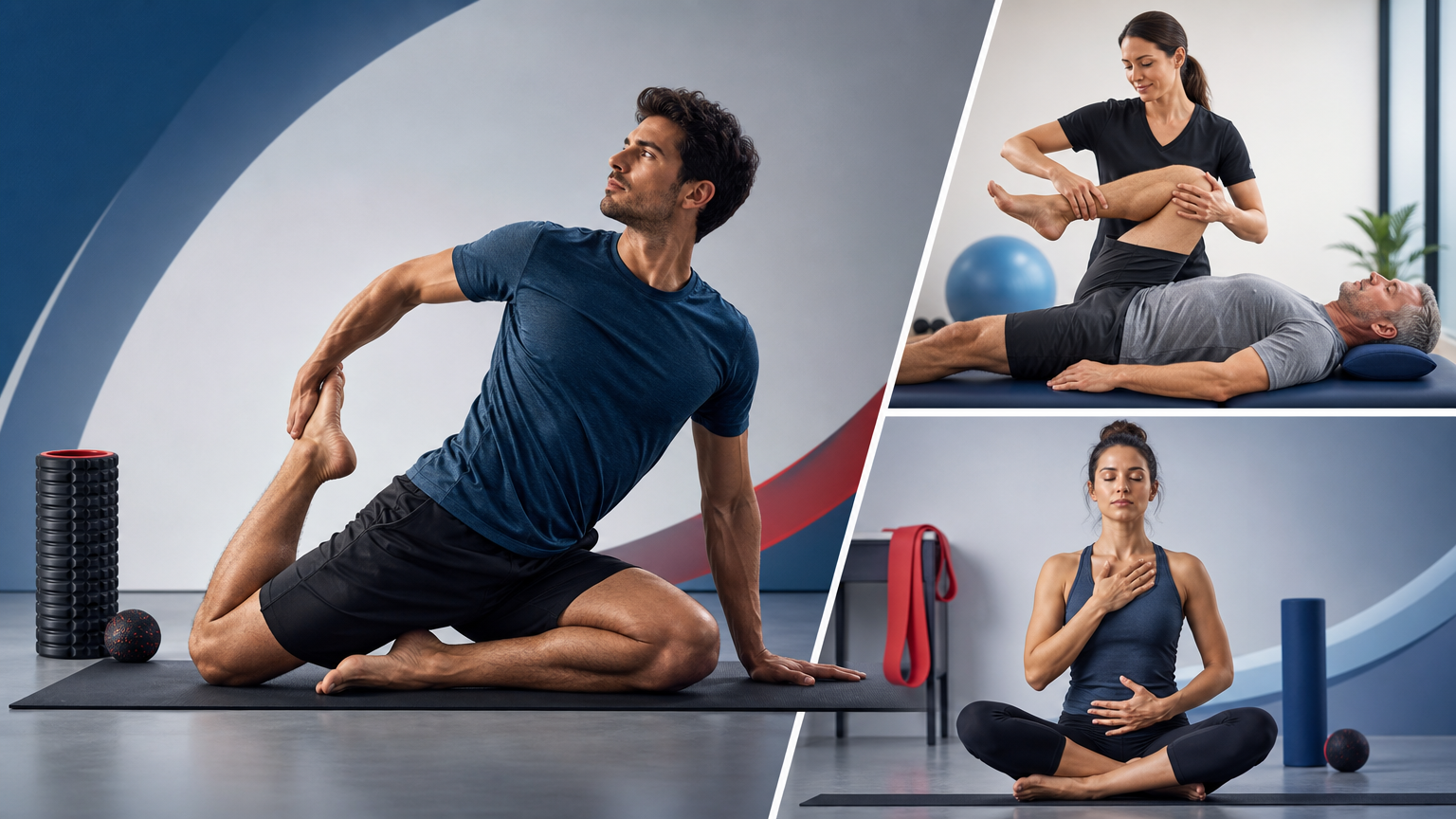


Stretching for better circulation in fibromyalgia patients
Stretching for better circulation in fibromyalgia patients

For a personalized session and free consult, Call me: +1 334-300-0389.
Find out how ARPWave Therapy can enhance your performace as an athlete and how you can achieve drug-free pain relief.
- Understanding Fibromyalgia and Circulation
- Benefits of Stretching for Circulation
- Effective Stretching Techniques
- Incorporating Stretching into Daily Routine
- Potential Risks and Precautions
- Patient Experiences and Testimonials
Fibromyalgia is a complex, chronic pain condition that affects millions of individuals, often leading to widespread pain, fatigue, and stiffness. One of the less discussed aspects of fibromyalgia is how it can impact circulation. Patients frequently report experiencing symptoms such as cold extremities, swelling, and numbness, which may be related to compromised blood flow. This is where incorporating strategies aimed at improving circulation becomes a critical component of managing the condition.
Understanding the link between fibromyalgia and circulation is vital for those suffering from the disorder. Good circulation is essential for delivering oxygen and nutrients to muscle tissues and removing waste products. Disruptions in this process can exacerbate the symptoms of fibromyalgia, contributing to increased pain and fatigue. Adequate blood flow can be stimulated through various methods, among which stretching holds a prominent place.
Research indicates that gentle movements, including stretching, can promote better circulation by dilating blood vessels and helping blood flow more freely. This is particularly important for fibromyalgia patients who often face muscle stiffness and joint issues. Moreover, increased circulation can lead to improved muscle healing and decreased tension, providing a dual benefit for symptom management.
Alongside stretching, other activities that promote circulation can enhance overall well-being. These might include:
- Low-Impact Aerobic Exercise: Activities like walking, cycling, or swimming can help improve cardiovascular health and circulation.
- Warm Baths or Showers: The warmth can relax muscles and increase blood flow to the skin and muscles.
- Hydration: Maintaining proper hydration is crucial for overall circulation and may help relieve some symptoms of fibromyalgia.
Ultimately, a holistic approach that includes stretching, movement, and self-care practices can lead to improved circulation and, by extension, a reduction in fibromyalgia symptoms. Individuals should consider developing a routine that incorporates these elements, allowing them to take proactive steps towards managing their condition effectively.
Benefits of Stretching for Circulation
Engaging in regular stretching offers numerous benefits specifically for fibromyalgia patients dealing with circulation issues. One of the primary advantages of stretching is its ability to enhance blood flow throughout the body. Stretching activates the vascular system, which helps to dilate blood vessels, subsequently promoting improved circulation. This increase in blood flow not only alleviates feelings of stiffness and discomfort but also invigorates the muscles by delivering essential oxygen and nutrients.
Moreover, stretching can facilitate the reduction of muscle tension, which is often heightened in fibromyalgia patients. When muscles are tense, blood vessels can constrict, leading to less effective circulation. By regularly incorporating stretching into their routines, patients can help counteract this tightening and support a more optimal blood flow to affected areas. This is particularly valuable in fibromyalgia, where local areas of stiffness can lead to heightened pain and fatigue.
In addition to its physical benefits, stretching also has a psychological component that can contribute positively to the experience of pain management. Engaging in stretching exercises can serve as a form of mindfulness and body awareness, enabling patients to develop a better connection with their bodies. This enhanced awareness may lead to better management of pain levels and promote a more proactive approach toward self-care.
To illustrate the benefits of stretching on circulation specifically for fibromyalgia patients, consider the following comparison between stretching and other common methods aimed at improving circulation:
| Method | Benefits | Ease of Incorporation |
|---|---|---|
| Stretching | Enhances blood flow, reduces muscle tension, promotes mental well-being | Can be easily done at home, requires no special equipment |
| Low-Impact Aerobic Exercise | Improves cardiovascular health, increases endurance, boosts overall energy | May require access to a gym or safe outdoor space |
| Warm Baths or Showers | Relaxes muscles, increases blood flow, provides immediate comfort | Requires a bath or shower, varies based on individual circumstances |
| Hydration | Supports overall circulation, aids in nutrient delivery | Highly accessible, requires consistent attention |
While each method contributes positively to circulation, stretching stands out for being particularly accessible and easily integrated into daily routines. Patients can perform stretching exercises at any time and in virtually any place, making it a flexible option that can be tailored to individual preferences and needs.
Thus, embracing a stretching regimen can play a significant role in enhancing circulation for fibromyalgia patients, offering relief and contributing to better management of their overall health and well-being. Careful attention to the type and timing of stretching can further amplify its benefits, leading to a more proactive and empowered approach to combating the challenges posed by this chronic condition.
Effective Stretching Techniques
To effectively incorporate stretching into a routine that benefits circulation, fibromyalgia patients should consider a variety of stretching techniques that are gentle yet effective. These techniques can be performed in a controlled manner to reduce the risk of injury and enhance the overall benefits. Here are some recommended stretching techniques:
- Neck Stretch: To ease tension in the neck and shoulders, sit or stand comfortably. Slowly tilt your head to one side, bringing your ear towards your shoulder, and hold for 15-30 seconds. Switch sides and repeat. This simple stretch helps improve blood flow to the upper body.
- Chest Opener Stretch: Stand tall and clasp your hands behind your back. Gently lift your arms and open your chest, taking a deep breath. Hold for 15-30 seconds. This stretch can counteract the effects of prolonged sitting and enhance circulation in the chest area.
- Seated Forward Bend: Sit with your legs extended in front of you. Inhale, and as you exhale, reach towards your toes, keeping your spine straight. Hold this position for 15-30 seconds. This stretch not only promotes circulation in the legs but also alleviates tension in the lower back.
- Cat-Cow Stretch: Begin in a tabletop position on your hands and knees. Inhale as you arch your back (cow position), and exhale as you round your spine (cat position). Repeat this rhythmically for 5-10 breaths. This dynamic stretch helps promote spinal flexibility and encourages better circulation throughout the body.
- Hamstring Stretch: While seated, extend one leg all the way out while bending the other at the knee. Reach towards your extended leg’s toes, keeping your back straight. Hold for 15-30 seconds and switch sides. This helps improve circulation in the legs and reduces tightness in the hamstrings.
- Calf Stretch: Stand facing a wall with one foot in front of the other. Keep the back leg straight and gently push against the wall, ensuring that your heel stays on the ground. Hold for 15-30 seconds on each side. This stretch enhances blood flow in the lower legs and can alleviate discomfort from prolonged standing or sitting.
When practicing these stretches, it is essential to listen to your body. Fibromyalgia patients should never push through pain and should modify stretches as necessary to suit their comfort levels. Staying hydrated and warming up the muscles prior to stretching can further enhance the effectiveness and safety of these practices.
Additionally, keeping a routine where stretching follows periods of inactivity—such as after sitting for an extended time—can be beneficial. Incorporating stretching breaks throughout your day can help combat muscle stiffness and ensure that circulation remains optimal. This is particularly important for individuals with sedentary lifestyles, such as corporate executives or those working from home.
By integrating these effective stretching techniques into daily life, fibromyalgia patients can actively promote better circulation and alleviate some of the discomfort associated with their condition. A dedicated approach to stretching can yield significant improvements in both physical well-being and overall quality of life.
Incorporating Stretching into Daily Routine
Incorporating stretching into a daily routine can significantly enhance the management of fibromyalgia symptoms by improving circulation and overall well-being. Setting aside dedicated time for stretching can serve as both a physical and mental break, allowing patients to focus on their body and cultivate a sense of mindfulness. Creating a consistent stretching schedule is essential for reaping the benefits of this practice.
One effective approach is to integrate stretching sessions into daily activities, such as during morning routines or breaks throughout the day. For instance, starting the day with a gentle stretching regimen can awaken the body and stimulate blood flow, preparing patients for the challenges ahead. Even a brief session of 5 to 10 minutes can make a notable difference in how one feels, providing increased energy levels and reduced stiffness.
Another practical method is to link stretching with other habitual activities. For example, patients can perform stretches while watching TV or during work breaks. This multitasking can help maintain a commitment to their stretching routine without feeling burdensome. Additionally, using reminders, such as smartphone notifications or sticky notes, can encourage patients to take regular breaks for stretching to alleviate tension and promote circulation.
Participating in group stretching sessions, whether in-person or virtually, can also foster a sense of community and accountability. Engaging with others who share similar experiences can be motivating and make stretching feel less like a chore. Many community centers or online platforms offer classes specifically for individuals with fibromyalgia, providing a safe environment to learn appropriate techniques and modifications.
Establishing a relaxing atmosphere during stretching can enhance its benefits. Creating a calming space with soft lighting, gentle music, or aromatherapy can transform stretching into a soothing ritual. This environment encourages patients to connect more deeply with their bodies, allowing them to feel the movements and the relief that comes from increased blood flow.
To further support the practice of stretching, patients should consider using visual aids such as stretching guides or videos tailored to fibromyalgia. These resources can provide clear instructions and demonstrate suitable modifications, ensuring that each individual can stretch safely and effectively. Moreover, keeping a journal to track progress and feelings before and after stretching can help patients identify which techniques work best for them, fostering a personalized and adaptable routine.
“Consistency is key when it comes to incorporating physical activity and mindfulness into daily life, especially for those living with fibromyalgia.”
In summary, the incorporation of stretching into a daily routine requires thoughtful planning and dedication but can ultimately lead to substantial improvements in circulation and symptom management for fibromyalgia patients. By making stretching a regular part of their lives, individuals can empower themselves to take control of their health and contribute positively to their journey of managing fibromyalgia.
Potential Risks and Precautions
 Engaging in stretching exercises is not without its considerations, especially for fibromyalgia patients who may already be navigating a sensitive body. While stretching can yield significant benefits for circulation and relaxation, it is essential to approach this practice with care to avoid exacerbating symptoms or causing injury. Recognizing and respecting one’s limits is paramount; pushing too hard or extending a stretch beyond comfort can lead to soreness or setbacks.
Patients should take the time to evaluate their current physical state before engaging in any stretching routine. Individuals experiencing a flare-up of symptoms may need to adapt their stretching practices accordingly, opting for gentler movements or shorter durations. It may also be beneficial to consult with healthcare professionals who understand fibromyalgia to develop a stretching plan tailored to one’s unique needs. This collaborative approach can help identify safe stretching techniques and ensure that they align with individual pain management strategies.
Additionally, the selection of appropriate stretching techniques is critical. Gentle, slow movements are recommended to avoid any sudden strain on muscles and joints. Incorporating deep, controlled breathing during stretches can facilitate relaxation and contribute to better circulation, promoting an overall sense of well-being. It is also important to warm up the muscles with light activities, such as walking or gentle movement, before starting any stretching routine to minimize the risk of injury.
Hydration plays a critical role in muscle function and overall circulation, making it an important consideration before starting any stretching exercises. Insufficient hydration can lead to muscle cramps or discomfort. Therefore, maintaining adequate fluid intake is essential, especially before and after engaging in stretching routines.
Creating a comforting environment can also enhance the stretching experience. Soft lighting, calming sounds, and a temperature-controlled space can significantly impact the emotional and physical comfort level during stretching sessions. Mindfulness practices, such as focusing on body sensations or visualizing pleasant outcomes, can further encourage a positive mindset toward stretching, helping patients embrace it as a beneficial tool in their self-care arsenal.
Lastly, keeping a journal of stretches performed and their effects can provide valuable insights and help in tracking progress. This reflective practice empowers patients to engage actively with their health journey, fostering a deeper understanding of what works best for their bodies.
- What type of stretching is best for fibromyalgia patients?
- Gentle stretching, such as static stretches and yoga, is often recommended for fibromyalgia patients. These low-impact movements can help improve flexibility and circulation without overstraining the muscles.
- How often should I stretch if I have fibromyalgia?
- Aim to incorporate stretching into your daily routine, ideally performing gentle stretches 5 to 10 minutes several times a day. Consistency is key to reaping the benefits for circulation and reducing stiffness.
- Can stretching worsen my fibromyalgia symptoms?
- If stretching is done beyond your comfort level, it may lead to increased pain or discomfort. It’s important to listen to your body and adjust the intensity and duration of stretches as needed.
- Should I warm up before stretching?
- Yes, warming up the muscles with light activities, such as walking or gentle movements, can prepare your body for stretching and reduce the risk of injury. This practice is particularly important for fibromyalgia patients.
- Are there specific stretches I should avoid?
- Patients should avoid deep, aggressive stretches that may cause pain or strain. Focus on gentle, slow movements that can be easily adapted to your level of comfort.
- Is it necessary to consult a therapist before starting a stretching routine?
- Consulting with a physical therapist or healthcare professional familiar with fibromyalgia can be beneficial. They can help tailor a stretching routine that aligns with your specific needs and limitations.
- Can stretching help with the fatigue associated with fibromyalgia?
- Yes, stretching can enhance circulation and promote a sense of relaxation, which may help alleviate feelings of fatigue. Regular stretching can contribute to an overall sense of well-being for fibromyalgia patients.
Patient Experiences and Testimonials
Many patients with fibromyalgia have reported transformative experiences after incorporating stretching into their routines. One such patient, Sarah, a 35-year-old nurse, experienced significant improvements in her daily activities. She noted that after committing to a series of gentle stretches each morning, her overall pain levels decreased, and she felt more energized to tackle her day. “It was like a cloud lifted,” she shared. “For the first time in years, I could feel my body moving without that heavy fatigue weighing me down.”
Another fibromyalgia patient, Mark, found that including stretching into his routine helped manage his circulation issues. He often dealt with cold extremities and fatigue, and after starting a stretching program recommended by his therapist, he began to notice a difference. “I used to feel so stiff and achy all the time, but now, after stretching, my arms and legs feel lighter, and I can see the difference in the way I move,” he stated. Mark emphasized the importance of listening to his body and adjusting his stretches according to how he felt each day.
Additionally, Linda, a mother of two, decided to try stretching during her busy evenings as a way to unwind after stress-filled days. She described her stretching routine as a meditative time. “I turned on some calming music, and just focused on my body. It felt like a reset. The stretching not only eased my pain but also helped me feel connected to my emotional state,” she explained. This new evening ritual has since become a cherished part of her self-care routine.
Testimonials like these illuminate the positive impact that stretching can have on fibromyalgia patients’ lives. Regular stretching not only assists in improving circulation but also brings a sense of agency back to those who often feel overwhelmed by their symptoms. It’s essential for patients to understand that their experiences will be unique and that consistency, gentleness, and adaptation to personal comfort levels are key to reaping the benefits.
Creating a supportive community is another aspect that patients find beneficial. Online forums and local support groups often feature shared experiences about stretching techniques that have worked well. Many emphasize the benefit of practicing stretches together, fostering both motivation and a sense of belonging. This shared knowledge strengthens the understanding that they are not alone in their journey.
By engaging with fellow fibromyalgia patients and sharing experiences, individuals can glean valuable insights about effective stretching practices and develop techniques that resonate with their unique needs. As evidenced by the stories of Sarah, Mark, and Linda, initiating a stretching practice can be a powerful tool for improving circulation and alleviating symptoms associated with fibromyalgia.
For a personalized session and free consult, Call me: +1 334-300-0389.
Find out how ARPWave Therapy can enhance your performace as an athlete and how you can achieve drug-free pain relief.