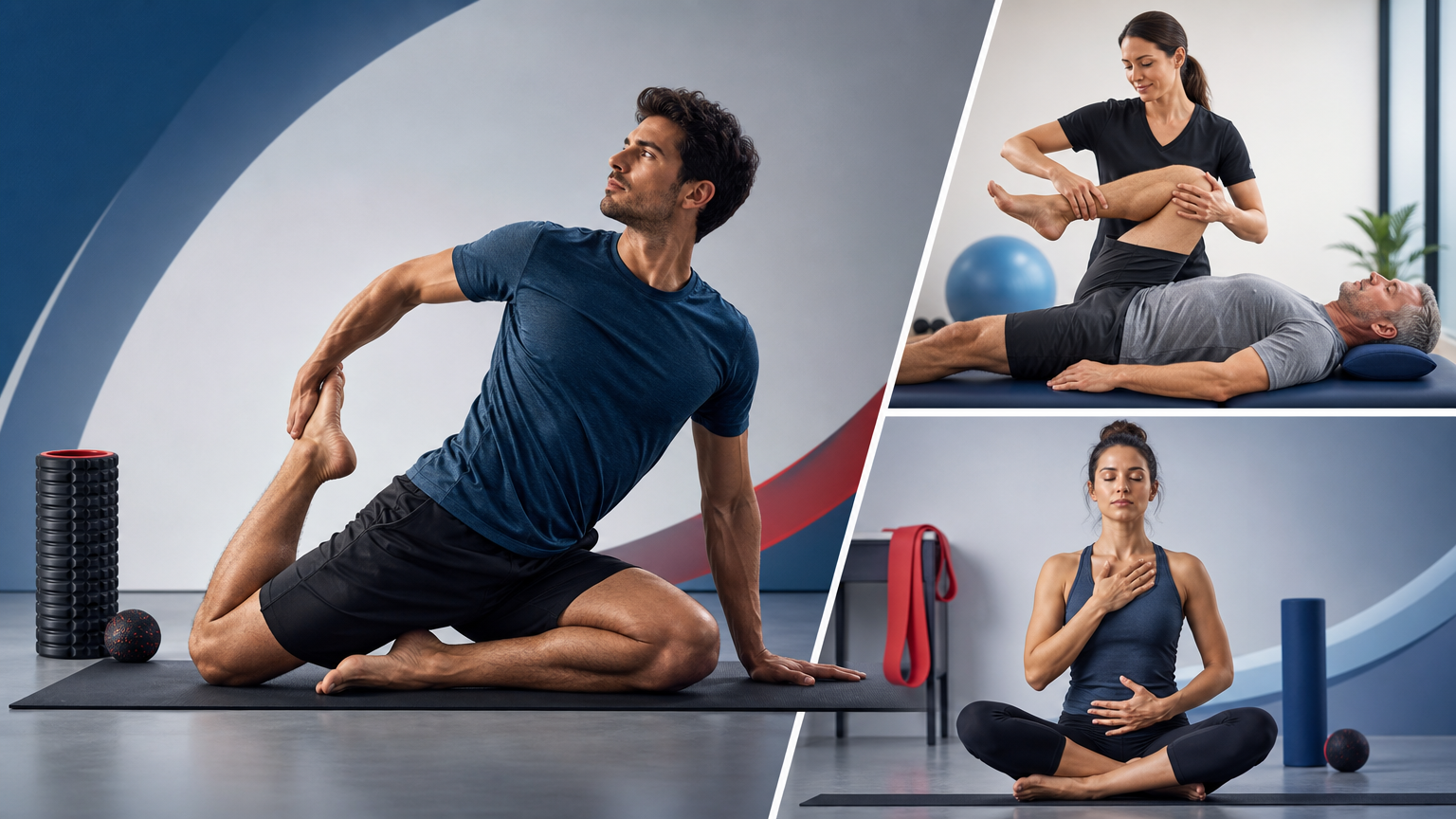


Stretching to release muscle tension for fibromyalgia relief
Stretching to release muscle tension for fibromyalgia relief

For a personalized session and free consult, Call me: +1 334-300-0389.
Find out how ARPWave Therapy can enhance your performace as an athlete and how you can achieve drug-free pain relief.
- Understanding fibromyalgia and muscle tension
- Benefits of stretching for fibromyalgia relief
- Recommended stretching techniques
- Creating a stretching routine
- Tips for safe stretching practices
- Incorporating stretching into daily life
Fibromyalgia is a complex and often misunderstood chronic condition characterized by widespread pain, fatigue, and heightened sensitivity to touch. Individuals suffering from this condition frequently report experiencing significant muscle tension that can make daily activities challenging. This persistent tension is often exacerbated by stress, poor posture, and inactivity, leading to a cycle of discomfort that is difficult to break.
Understanding the underlying factors contributing to muscle tension in fibromyalgia is essential for effective management. For many, the pain experienced is not just localized but can also radiate throughout the body, affecting muscles and tissues at various sites. This widespread pain often correlates with the body’s response to stress and emotional strain, which can further exacerbate muscle tightness.
Moreover, individuals with fibromyalgia may have lower thresholds for pain, meaning that activities that do not typically cause discomfort in others can result in significant soreness and tension. In this context, the psychological aspect cannot be overlooked; anxiety and depression are commonly associated with fibromyalgia, contributing to muscle tension and tension-related pain.
In addition to psychological factors, lifestyle choices play a pivotal role in the experience of muscle tension. Inadequate physical activity can lead to weakened muscles, reduced flexibility, and heightened stiffness. Conversely, adopting a more active and mindful approach to body movement through practices such as stretching can have profound benefits.
It is crucial for those with fibromyalgia to acknowledge the importance of addressing muscle tension through proactive strategies, including the incorporation of regular stretching. Implementing a routine that focuses on gentle stretching can not only aid in the release of tension but can also improve overall flexibility and comfort levels.
Ultimately, understanding the relationship between fibromyalgia and muscle tension is pivotal. By embracing methods to alleviate tension, individuals can take significant steps towards minimizing discomfort and enhancing their quality of life.
Benefits of stretching for fibromyalgia relief
Engaging in a regular stretching routine offers a multitude of benefits for those dealing with fibromyalgia and its associated muscle tension. One of the primary advantages is the improvement in flexibility, which can reduce stiffness and enhance the overall range of motion. This increased flexibility is vital for maintaining mobility and performing daily activities with less discomfort.
Stretching helps promote circulation in the affected areas, facilitating better blood flow to the muscles and tissues. Improved circulation can lead to reduced muscle soreness, promote healing, and alleviate some of the fatigue that individuals with fibromyalgia often experience. By increasing the blood supply, stretching can also provide muscles with the nutrients they require, allowing them to function more effectively.
Another significant benefit of stretching for fibromyalgia relief is its ability to activate the body’s relaxation response. Stretching can stimulate the release of endorphins, natural pain-relieving hormones that contribute to feelings of well-being. This biological response can effectively combat the perception of pain and help decrease muscle tension. Moreover, regular stretching has been shown to lower stress levels, which is especially beneficial for individuals facing the challenges that fibromyalgia presents.
The psychological impact of stretching should not be understated. Engaging in a stretching routine can foster a sense of control over one’s body and symptoms. This empowerment can enhance overall emotional well-being, reducing anxiety and improving mood, which are frequently affected in those with fibromyalgia. The act of taking time to nurture the body through stretching can serve as a positive and therapeutic practice.
Additionally, stretching can improve posture and body alignment, which is crucial for individuals who often experience pain due to muscular imbalances. Correcting posture through targeted stretches can lead to a decrease in the strain placed on the muscles and joints, ultimately alleviating discomfort.
In summary, the multifaceted benefits of stretching combine to create a holistic approach to managing fibromyalgia. The table below outlines a comparison of these benefits:
| Benefit | Description |
|---|---|
| Increased Flexibility | Reduces stiffness and enhances range of motion. |
| Improved Circulation | Facilitates better blood flow, reducing soreness and promoting healing. |
| Release of Endorphins | Natural pain relievers that enhance feelings of well-being. |
| Reduced Stress | Encourages a state of relaxation, helping to combat anxiety. |
| Improved Posture | Corrects alignment, reducing strain on muscles and joints. |
By understanding and utilizing these benefits, individuals with fibromyalgia can create effective strategies for tension relief and improved overall health. Incorporating stretching into a regular routine holds the potential to significantly enhance both physical comfort and emotional resilience.
Recommended stretching techniques
When it comes to effective stretching techniques for individuals with fibromyalgia, gentle and mindful movements are essential. The goal is to alleviate muscle tension without exacerbating pain. Below are several recommended stretching techniques that can help in achieving relief:
- Neck Stretch: Sit or stand in a comfortable position. Slowly tilt your head towards one shoulder until you feel a gentle stretch on the opposite side of your neck. Hold this position for 15-30 seconds and switch sides. This stretch can help release tension accumulated in the neck and upper shoulders, which are common areas of discomfort for those with fibromyalgia.
- Shoulder Rolls: Sit or stand up straight. Inhale as you lift your shoulders towards your ears, and then exhale as you roll them back and down. Repeat this movement 5-10 times. Shoulder rolls improve circulation and promote relaxation in the upper back and shoulder areas.
- Cat-Cow Stretch: Begin on your hands and knees, ensuring your wrists are aligned under your shoulders and your knees under your hips. Inhale to arch your back (cow position) and look slightly upward. Exhale as you round your back (cat position), tucking your chin to your chest. Repeat this flow 5-10 times, which helps improve spinal flexibility and relieve lower back tension.
- Gentle Hamstring Stretch: Sit on the floor with one leg extended and the other leg bent, with the sole of your foot against the inner thigh of the extended leg. Keep your back straight as you lean forward gently over the extended leg. Hold for 15-30 seconds, feeling the stretch at the back of your thigh. This stretch can help relieve tightness in the hamstrings and lower back, enhancing mobility.
- Standing Quadriceps Stretch: Stand up straight and hold onto a wall or chair for support if needed. Bend one knee, bringing your heel towards your glutes. Grab your ankle with your hand, pulling it gently towards your bottom while keeping your knees together. Hold for 15-30 seconds and switch legs. This stretch targets the front of the thigh and can be effective in reducing tension after sitting for prolonged periods.
- Child’s Pose: Kneel on the floor with your big toes touching and knees apart. Sit back on your heels and extend your arms forward, lowering your torso towards the ground. Relax in this position for 30 seconds to a minute. Child’s pose is restorative and promotes relaxation throughout the entire back and shoulders.
When incorporating these stretches, it is essential to listen to your body and avoid pushing beyond your comfort level. Each stretch should feel manageable and should not induce pain. In addition, consider incorporating deep, slow breathing while you stretch, as this can further enhance relaxation and facilitate the release of muscle tension. Focus on exhaling deeply as you hold each stretch, allowing your body to relax more with each breath.
For optimal results, aim to perform these stretches at least 2-3 times a week, or daily if possible. Remember to focus on quality over quantity; it’s more beneficial to do a few effective stretches mindfully than to rush through many without paying attention to your body’s signals. Over time, you will likely notice improvements in flexibility, an increase in overall comfort, and a greater sense of control over your fibromyalgia symptoms.
Creating a stretching routine
Creating a consistent stretching routine tailored to your needs can significantly enhance your ability to manage muscle tension associated with fibromyalgia. Start by determining a suitable time for your stretching sessions; whether in the morning to prepare for the day ahead or in the evening to wind down, consistency is key. Setting a specific time can help you establish this practice as a regular part of your daily routine.
Begin by focusing on areas where you typically experience the most discomfort. Tailor your stretching routine to include a variety of stretches that target multiple muscle groups, ensuring comprehensive coverage of both upper and lower body areas. As you develop your routine, consider how each stretch feels and make adjustments based on your comfort levels. Aim to include at least five to ten different stretches to balance the focus across your body.
To promote inclusivity in your routine, you could incorporate both seated and standing stretches. Doing so offers variety and helps reduce potential strain on the muscles, allowing for relaxation during the movement. Utilize gentle movements and rather than pushing yourself to achieve an extreme stretch, prioritize maintaining a comfort level that avoids pain.
Incorporate a warm-up before you begin stretching. Engaging in light activities such as walking or gentle arm movements can increase blood circulation to your muscles, making them more pliable and receptive to stretching. This preparation can also reduce the risk of injury and enhance the effectiveness of the routine.
Consider documenting your stretching routine to track progress over time. Keeping a journal may allow you to note how your body feels before and after each stretching session. Reflecting on these changes can provide motivation and insight into which stretches are most effective in helping to relieve your muscle tension.
Additionally, exploring the use of props like yoga blocks, straps, or cushions can help facilitate deeper stretches while providing necessary support. These tools can make certain stretches more accessible and comfortable, especially on days when you may feel more fatigued or tense than usual.
Lastly, remember to integrate deep breathing throughout your routine. Focusing on slow, controlled breaths can promote relaxation and enhance the overall experience, allowing for a more profound release of muscle tension. As you breathe deeply, visualize the tension melting away with each exhale, creating a more mindful and connected practice.
By approaching your stretching routine with intention and care, you can create a sustainable practice that not only addresses muscle tension but also enhances your overall well-being. Regularly revisiting and adjusting your routine will help ensure it remains effective and responds to your evolving needs in managing fibromyalgia.
“Stretching is a crucial part of any exercise routine for those dealing with muscle tension; it helps to maintain flexibility and reduce pain.” – Unknown
Tips for safe stretching practices
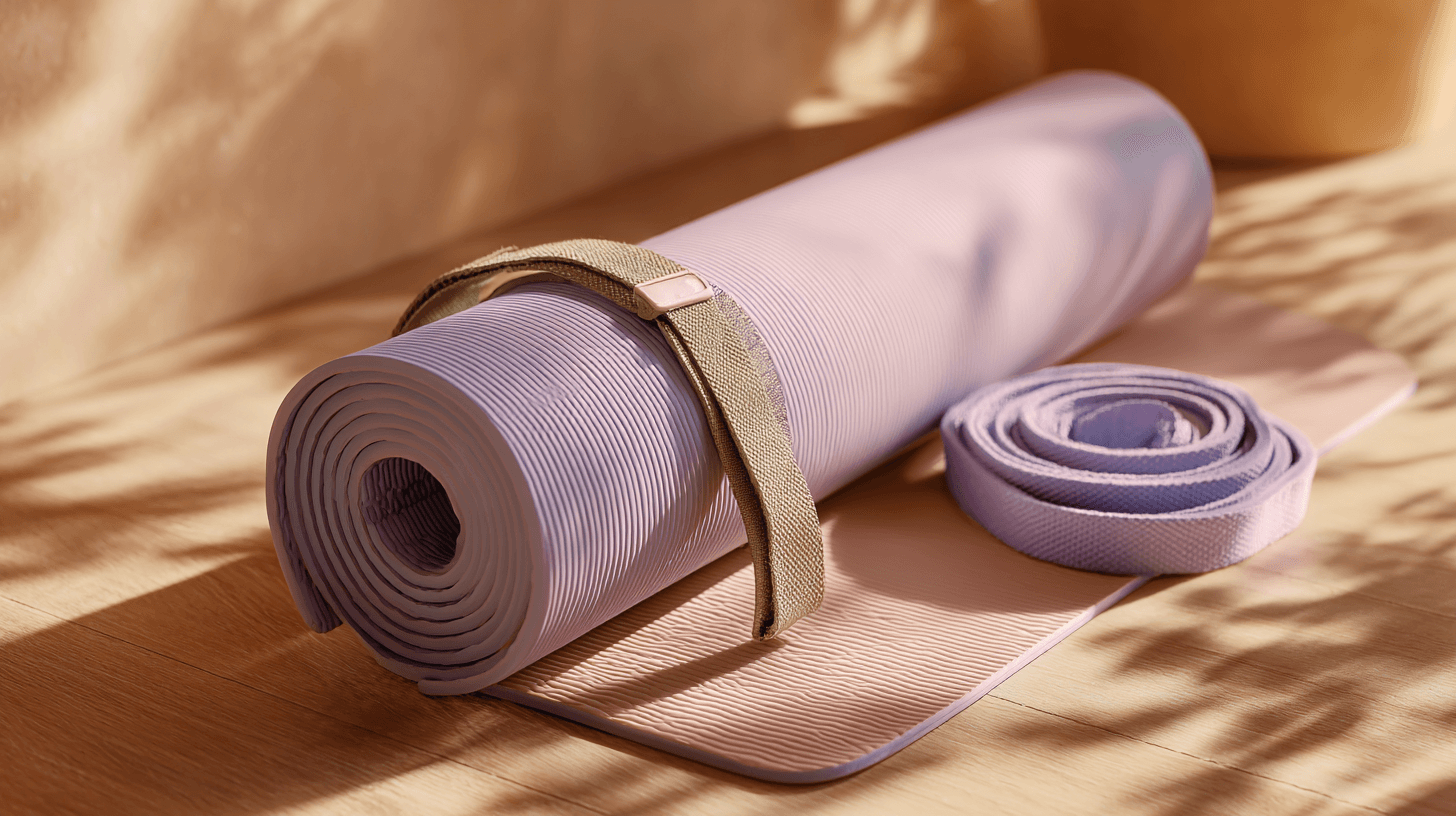 When engaging in stretching, it is crucial to prioritize safety to prevent injury and ensure that your practice yields the desired benefits. Begin by adopting a gentle and mindful attitude toward your body, recognizing that each person’s limits and tolerances vary, particularly for those managing fibromyalgia. As you embark on your stretching journey, keep the following guidelines in mind to cultivate a safe and effective routine.
First and foremost, always listen to your body. Pay attention to any signals of discomfort or pain while stretching and respect those boundaries. Stretching should feel like a gentle pull, not a sharp pain. If you experience any discomfort, ease out of the stretch or modify it to better suit your body’s needs. Avoid forcing any movement, as this can lead to injury and exacerbate muscle tension.
Warm up your muscles before stretching to prepare your body adequately. Engaging in light activities such as walking or gentle arm circles can increase blood flow, making muscles more pliable and reducing the risk of strains. After warming up, take your time with each stretch. Hold stretches for at least 15-30 seconds to allow the muscle fibers to elongate effectively. However, avoid bouncing or jerking motions, as these can cause micro-tears in the muscles and lead to further stiffness.
Incorporating breathing techniques can enhance the effectiveness of your stretching practice. Focus on deep, steady breaths as you stretch, allowing your body to relax more with each exhalation. This practice not only releases tension but also promotes a calm mindset, making the experience more enjoyable and effective. As you inhale, envision your muscles filling with oxygen and warmth; with each exhale, imagine the tension dissolving away.
Consider using props, such as a yoga strap, block, or soft cushion, to help support your body in various stretches. These tools can assist you in achieving the proper form and provide extra comfort during your practice. They are particularly helpful on days when symptoms feel more pronounced, allowing you to maintain a consistent stretching routine without discomfort.
Establish a stretching frequency that works for you, aiming for a minimum of two to three times per week, or more often if your body allows. As you create your practice, reflect and make adjustments as necessary. What feels good today may differ tomorrow, and being adaptable is paramount in a sustainable regimen.
Lastly, do not hesitate to seek guidance from a fitness or health professional if you are unsure about proper techniques or routines that suit your level of experience. Working with a therapist can empower you to establish safe practices tailored to your specific needs while ensuring smooth progression in your stretching journey.
As you cultivate these safe practices, the act of stretching can transform from a challenge to a rewarding ritual, offering not just relief from muscle tension, but also enhancing your overall well-being.
- What should I consider before starting a stretching routine for fibromyalgia?
- Begin by assessing your comfort levels and current fitness, ensuring to consult with a healthcare provider if you have concerns. Focus on gentle stretches and avoid pushing beyond discomfort to prevent exacerbation of symptoms.
- How often should I stretch for muscle tension relief?
- Aim to incorporate stretching into your routine at least 2-3 times a week, or daily if possible. Consistency is key to experiencing the benefits, as muscle flexibility and relaxation build over time.
- Are there specific stretches I should avoid?
- Avoid any stretches that cause sharp pain or discomfort. It’s essential to listen to your body and modify or skip stretches that do not feel right for you.
- Can I stretch when I’m experiencing a flare-up?
- During a flare-up, focus on gentle stretches that promote relaxation rather than pushing for increased flexibility. Always prioritize your comfort and consider limiting the duration and intensity of your stretching practice until symptoms subside.
- What techniques can enhance my stretching experience?
- Incorporate deep breathing techniques as you stretch to promote relaxation and enhance the effectiveness of the practice. Visualizing tension releasing with each exhale can also deepen the experience.
- Should I warm up before I stretch?
- Yes, warming up is essential as it prepares your muscles and reduces the risk of injury. Engaging in light activity, such as walking or gentle movements, can effectively increase blood flow to the muscles.
- Can stretching help improve my emotional well-being?
- Absolutely! Regular stretching can release endorphins, which are natural pain relievers and mood enhancers. It also promotes relaxation, helps to combat stress, and fosters a greater sense of control over your body.
Incorporating stretching into daily life
Integrating stretching into your daily life can be a transformative practice, providing not just physical relief from muscle tension but also promoting mental well-being. One of the simplest ways to incorporate stretching is by integrating it into existing routines. For example, you can stretch after waking up to ease into the day or before bedtime to help unwind and release the accumulated tension from the day.
Finding opportunities to stretch throughout the day, especially for those who sit for prolonged periods, can significantly benefit muscle relief. Here are some practical suggestions to help you seamlessly incorporate stretching:
- Add Short Stretch Breaks: Set a timer every hour to remind yourself to take a 5-minute break for stretching. Utilize this time to perform a few gentle stretches focusing on the neck, shoulders, and back, as these areas often tighten during extended periods of sitting.
- Incorporate Stretches at Work: If you work in an office setting, practice stretches discreetly while at your desk. Simple movements such as neck stretches or shoulder rolls can be done without requiring a lot of space, providing immediate relief.
- Stretch During TV Time: Use commercial breaks or the time watching your favorite shows to engage in light stretching. This allows you to combine relaxation and physical activity, which can help reinforce a healthy habit.
- Pair Stretching with Daily Activities: Consider pairing stretches with daily activities such as brushing your teeth or waiting for the kettle to boil. Performing a gentle stretch while these tasks are underway can make the practice feel less like a chore and more like a natural part of your day.
- Engage Socially: Involve family members or friends in your stretching routine. Doing stretches together can be motivating and can transform your practice into a social activity, enhancing both accountability and enjoyment.
- Use Visual Reminders: Consider placing sticky notes around your home or workspace with reminders to stretch. These visible prompts can encourage you to take those brief moments throughout the day to release tension.
Moreover, finding a suitable space where you can comfortably stretch is essential. It could be a quiet corner in your home or even a low-traffic area at work that allows you to engage in your practice without distractions. Having a dedicated space can make the experience feel special and emphasize its importance in your daily routine.
Finally, don’t forget to incorporate mindfulness into your stretching sessions. Consider focusing on your breathing and the sensations in your body as you stretch, which can enhance the experience and deepen the relief it provides. Take time to acknowledge how each stretch feels, consciously letting go of tension with each exhale.
By consciously creating opportunities for stretching through your day, you stand to gain not only relief from muscle tension associated with fibromyalgia but also foster a more integrated approach to managing your overall health and well-being.
For a personalized session and free consult, Call me: +1 334-300-0389.
Find out how ARPWave Therapy can enhance your performace as an athlete and how you can achieve drug-free pain relief.